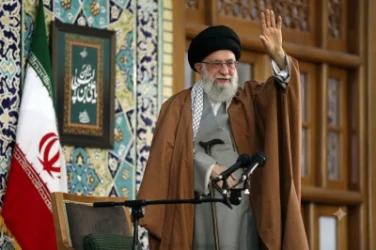
1.5 Years After the Revolution: Russian Expert Magazine's View on Armenia

The Russian Expert magazine has published an extensive article addressing the situation in Armenia following the velvet revolution that took place in April 2018, focusing on Armenian-Russian relations and the economic indicators recorded as a result of the new government's activities.
“To this day, post-revolutionary developments are ongoing in Armenia. Prime Minister Nikol Pashinyan came to power as a result of protests that occurred in April and May 2018. Later, in December, Pashinyan reaffirmed his mandate as his ‘My Step’ alliance won parliamentary elections, securing 70.43% of the votes. Today, he enjoys immense support, although ratings are periodically declining, which is understandable as all promises cannot be fulfilled quickly,” the article states.
Addressing Armenian-Russian relations, the author emphasizes that, in the wake of the revolution, Russian media considered Pashinyan to be almost an American “project”, later viewing him more respectfully as a multi-vector politician. “In the past 1.5 years, Pashinyan has not made an official visit to Moscow, although he has visited the city on several working trips, for example, within the framework of the EEU. Instead, he has already been received in Brussels, neighboring Tbilisi, and Tehran. Pashinyan’s official visit to Russia seems to be planned for the first half of 2020, while Vladimir Putin visited Yerevan this autumn, having constructive dialogue with his Armenian counterpart. Therefore, it is unnecessary to speak of a crisis in relations; rather, multi-vectorism is indeed a new phenomenon that defines the dialogue between Moscow and Yerevan. On the one hand, Nikol Pashinyan actively works with the American side (like his predecessors). Primarily, the USA is one of the co-chairs of the OSCE Minsk Group in the peaceful negotiation process regarding the Nagorno-Karabakh conflict. Secondly, there is a highly influential Armenian lobby in the USA that is capable of securing both political and economic support for Armenia. Regarding the diaspora, Pashinyan has a particular calculation. On the other hand, Moscow maintains an active and successful geopolitical policy in the Caspian region and is interested in strong partnerships with both Azerbaijan and Turkey, which is an unpleasant factor for Armenian-Russian friendship,” the article elaborates.
Նմանատիպ հոդվածներ
Ավելին Society բաժնից
ՏԵՍԱՆՅՈՒԹ. Երիտասարդ մայրիկներն ավելի շատ են աշխատում, դրա պատճառով մանկապարտեզների հերթերը մեծանում են. Փաշինյան
Wildberries-ը հերքել է մտահոգությունները. փոփոխությունները չեն ազդի Հայաստանի վաճառողների վրա
ՏԵՍԱՆՅՈՒԹ. Հուլիսի 6-ից 50.000 դրամ վճարով հնարավոր կլինի վերականգնել վարորդական իրավունքը՝ առանց քննություն հանձնելու