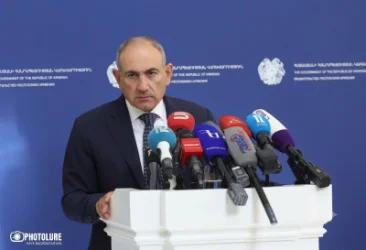
Property Confiscation to be Carried Out Without Criminal Case and Court Ruling

According to the newspaper 'Jamanak', the government approved the draft law on 'Confiscation of Property of Illegal Origin' regarding the Republic of Armenia yesterday. The adoption of this law will allow the competent authority, namely the Prosecutor General's Office, to examine the legality of property acquisition and to file a claim for confiscation if property is found that cannot be accounted for by legitimate income sources and whose value exceeds the threshold of 50 million drams.
The investigation may include the ten years preceding the initiation of the examination. Thus, property is subject to confiscation if it is proven that the property is not accounted for by legal income in the volumes specified by law. It is noteworthy that the amendments are significant; the existing legislation currently permits confiscation solely for property used in or obtained as a result of a crime established by a court ruling, while the new draft allows the prosecutor's office to initiate a separate investigation and compare an individual's legal income with their property. If the difference exceeds 50 million drams, the prosecutor can apply to the court for the confiscation of that property.
It should be noted that work on this law has been ongoing for a long time, and the draft was also sent for international expertise before being made available for public discussion. As is known, the Prosecutor General's Office has been recognized as the competent authority. However, this version was not the only one that has been discussed. According to the newspaper's sources, several alternatives were considered, initially to create an independent body that would handle such cases or to assign such functions to the established Corruption Prevention Commission. However, it was later concluded that these were not suitable options, and the prosecutor's office was selected as the competent authority.
Additionally, heated debates are expected in parliament regarding this law, as opposition representatives see problematic points and believe that the law could harm 'ordinary' citizens and become a basis for retribution.
For more details, refer to the newspaper's issue today.
Նմանատիպ հոդվածներ
Air Temperature Will Reach +18, +20 Degrees: Gagik Surenyan
Continuous Gunfire from Adversary in Baghanis; International Road Successfully Reopened
These Are All Deceptions. Do Not Be Tempted. Samvel Martirosyan
Azerbaijani Armed Forces Continued Fire Towards Tavush Region at Midnight: Artsrun Hovhannisyan
Ավելին Society բաժնից

Ջրամատակարարման ժամանակացույցի փոփոխության մասին պնդումները չեն համապատասխանում իրականությանը
ԱԱԾ-ն չի պարզաբանել՝ ինչպես են արտահոսել Քոչարյանի օդանավակայանի կադրերը
Դատարանը մեղադրական վերդիկտ կայացրեց. Կոչուբաև