No Major Changes Expected as the Meaning of New Year Celebrations Remains Unchanged – A. Hakobyan

It is commonly accepted that the overwhelming majority of the population in Armenia is dissatisfied with the prevailing situation in the country and yearns for change; however, for various reasons, those changes are not happening. This is stated by Anna Hakobyan, the wife of the Prime Minister, in the "Haykakan Zhamanak" newspaper. The prevailing opinion is that nothing changes in the country due to reasons independent of the people: poor governance, rigged elections, a compromised opposition, and so on. For decades, the desired changes have not occurred, and everyone continues to search for scapegoats, express their dissatisfaction, curse their fate, and ultimately leave the country.
In a few days, the New Year will arrive. Anyone born and raised in Armenia knows the immense burden hidden behind this simple statement. Anyone unaware only needs to make a brief visit to the "Yerevan City" supermarket and upon seeing the first five overloaded shopping carts, will understand everything. If the New Year is just days away, it means that everyone in Armenia is buying food—an incredible amount of food. This is done by those who have money and those who do not, everyone without exception. And everyone without exception complains about this situation.
It is superfluous to even articulate what people's opinions are about the New Year's rush. These are days of intense stress—physical and mental stress. Everyone feels obligated to have everything on the table: 4-5 types of salads, 4-5 types of hot dishes, desserts, dairy products, fish products, sweets, dried fruits, greens, vegetables. The list can go on indefinitely. Everyone feels compelled to visit certain people and to host others. Each guest who arrives is offered a bite to eat and a drink, and in every house visited, there is likewise an expectation to eat and drink.
No rational being can remain indifferent to this situation because humanity has found the formula for nourishment since time immemorial. It is the same for all peoples: breakfast, lunch, dinner. Moreover, our ancestors developed what is particularly good for breakfast, lunch, and dinner. One can, of course, participate in a grand feast one day, consuming large quantities of food and drink that evening. But even in such cases, the aforementioned rhythm is not disrupted because feasts generally take place during dinner time, and by then, participants typically have already had breakfast and lunch.
The week preceding New Year’s Day, the first week of the New Year, and the following two weeks in Armenia are dominated by a completely different dietary regime, unknown to humanity. Until December 31, it is considered a period to make grocery lists and to store away everything acquired during shopping trips. The body begins to deviate from its normal state and falls under stress. Beginning January 1, all those stocked provisions, whether desserts, fruits, lunch, or breakfast, simultaneously appear on the tables. Moreover, if there is a certain number of tasty dishes on your table, in every house where you visit, you may find everything that is missing from your own home, and if you visit several homes in one day, your eyes will see everything imaginable for that season.
Tasting a bite from what you see is already a significant challenge. Nutritionists can professionally explain the stress this imposes on the body. However, these issues are never raised during pre-New Year press conferences and broadcasts. Instead, everyone warns against eating salads older than three days and becoming sick. Yet, this stress does not end there. After about ten days of such excess and irregular and unrestrained eating, a famine period strikes the body. It is a well-known truth that by the end of January, the average family does not even have money to buy bread. In this way, physically and mentally exhausted, first overloaded and then hungry, the population of Armenia bids farewell to the old year and enters the New Year.
And for some reason, as the years change, the problems in Armenia remain the same; life does not improve, justice is not established, corruption does not vanish, and power does not change hands through elections. Perhaps the population of Armenia is not actually dissatisfied and seeking change, but is merely talking about it. Just for the sake of having something to discuss at gatherings. Similarly, they express dissatisfaction with the extremely stressful customs of celebrating New Year’s yet do nothing to change it. The New Year can be celebrated lightly, without the burdens of excessive food, without the obligations to visit homes—just with drinks, cold snacks, music, gifts, cheerful and joyful conversations. And for that, free and transparent nationwide elections are not needed. It is a choice that either happens or does not happen. So far, that choice has not been made, for which no one can be blamed—neither the authorities nor the opposition. And perhaps there will be no significant changes in Armenia as long as the style and meaning of how New Year’s holidays are celebrated do not change, until the New Year begins with a healthy body and a healthy mind.
Նմանատիպ հոդվածներ
Ավելին Politics բաժնից

ԱՄՆ-ն ամբողջությամբ վերացրել Է Իրանի ծովային շրջափակումը

Մոսկվայի համբերությունն անսահման չէ․ ինչ կինի, եթե «կարմիր գծերը» հատվեն․ ՊՆ նախկին փոխնախարար
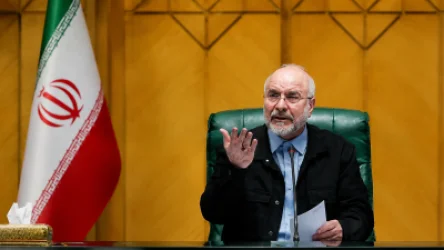
Իրանը պատրաստ է ռազմական գործողությունների. Ղալիբաֆ