‘This cannot continue’. Lydian’s interim head to BBC Russian service

The Amulsar gold mines were expected to bring hundreds of millions of dollars to the Armenian budget in taxes. However, this ambitious project of the offshore company Lydian has sparked waves of protest among local residents and environmentalists. Grigor Atanesyan writes about this for the BBC Russian service.
The government of Nikol Pashinyan faces a dilemma between political crisis and the loss of a major investor. Lydian's geological exploration company is reporting that they are ready to sue Armenia.
The source states that Lydian, based in Colorado, discovered gold deposits under Amulsar back in 2006 and obtained permission from the Armenian government to exploit the gold mine in that area. Investors were expecting billions of dollars in profits, but environmentalists and local residents are concerned that the exploitation of the mine will threaten the ecosystem of Lake Sevan, the largest in the region, and the economy of the Jermuk health resort.
The article notes that in the spring of 2018, the government of Serzh Sargsyan, which had granted a license to Lydian, resigned following mass protests, after which young opposition members led by Nikol Pashinyan took power, but failed to come together on a unified statement regarding the project for over a year.
‘When Pashinyan decided this autumn that there were no obstacles to the start of mining operations, it was already too late. All roads to Amulsar were blocked by local residents and environmentalists,’ the author writes, adding that the dispute is complicated under external pressure since diplomats from the USA and the UK are backing Lydian's position.
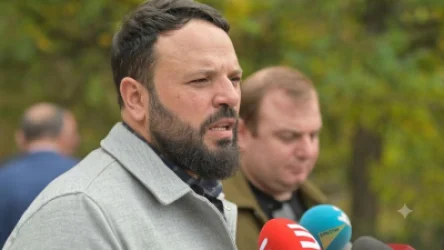
Due to protests, Lydian’s operations have been paralyzed since last summer, and the company is prepared to sue Armenia. ‘This cannot continue,’ said Edward Sellers, interim head of Lydian, to the BBC Russian service, adding that if the Armenian government does not take measures, the company will not be able to attract funding and will have to either sell the business or sue Armenia.
‘We wouldn’t want either, but we have no alternative,’ Sellers added.
The company assures that they have already spent more than $400 million on the Armenian Amulsar exploitation program. Although Lydian has not yet made a profit, the key shareholders have changed multiple times. The company is currently owned by several investment funds and private individuals, the largest of which are Resource Capital Fund (32%), Orion Capital Management (11%), and the European Bank for Reconstruction and Development (EBRD).
The EBRD stated that the project complies with international norms, the bank's standards, and Armenian legislation and that they are awaiting a decision from the Armenian Minister of Environment.
Among the many protesters against the exploitation of Amulsar are also those who were the first to respond positively to Pashinyan's rise to power in 2018. Pashinyan himself has admitted that he would not have personally approved this project if the concession issue were being decided now. However, the license was granted during the tenure of his predecessor, and now the government is facing a deadlock.
According to Lydian's latest assessments, if the blockade is lifted, the company could resume construction of the mine by spring and expect to obtain the first gold by the end of 2020 or the beginning of 2021. The company states that this would require approximately $150 million more in investment and about $25 million in working capital. If Lydian is unable to continue its operations, it would deal serious damage to Armenia's reputation among international investors, believes Lydian’s head.
‘The international financial community is watching the situation with concern. People are shaking their heads,’ he added.
The source notes that the issue of Amulsar’s exploitation has hit a dead end. The Prime Minister and members of the government are concerned about possible arbitration and deterring foreign investors, while environmentalists and residents, despite Pashinyan's calls, continue to keep the roads blocked.
Նմանատիպ հոդվածներ
Ավելին Society բաժնից

Արտահանողներին նոր աջակցություն․ կառավարությունը երկարաձգել է փոխհատուցման ծրագիրը

Ջրամատակարարման ժամանակացույցի փոփոխության մասին պնդումները չեն համապատասխանում իրականությանը
ԱԱԾ-ն չի պարզաբանել՝ ինչպես են արտահոսել Քոչարյանի օդանավակայանի կադրերը