Extraordinary Incident: A Wild Boar Attacks a Citizen in Ijevan, Now in Hospital
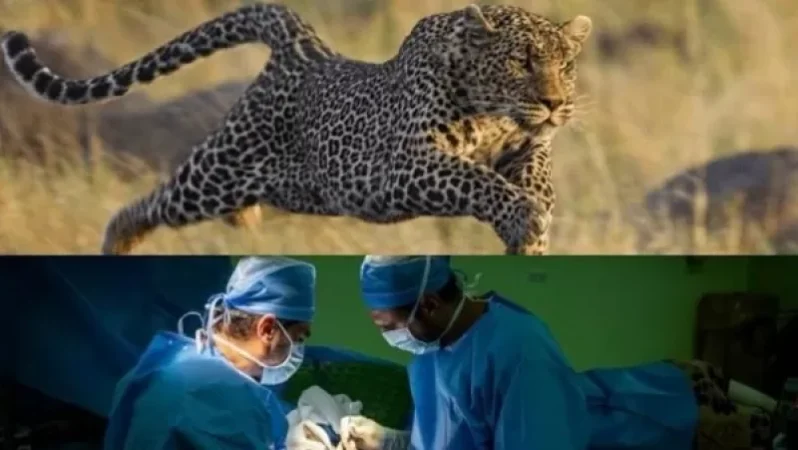
A wild boar attacked a citizen who was counting his livestock in one of Ijevan's forests. Arman Gabrielyan, 41, was transferred to Ijevan Medical Center with numerous deep wounds. Vasgen Margaryan, the director of the medical center, stated in a conversation with “Haykakan Zhamanak” that treating the wounds took about two and a half hours.
“The fist that was inserted into the boar's mouth was completely damaged, the lip was split by the tusk, and there was also a deep wound on the forearm. Both arms were injured. His condition is now stable. He has received all vaccinations against rabies and tetanus. He will remain under the doctors' supervision for another week. The treatment of the wounds is organized, all examinations have been conducted, and he is already getting on his feet,” noted Margaryan, adding that there is no fear in his case, as he is a hunter. “If he weren't a hunter, he definitely wouldn't be alive right now.”
Arman Gabrielyan recounted that he owns about 150 pigs in those forests and regularly checks on them to see if any are missing. He went to the area yesterday around noon and saw a pig partially eaten on the road. After walking a little more, he found another mutilated pig and then a third one. Following the blood trail, he climbed towards the rocky sections of the Yenokavan Heights. There, as he was passing near one of the rocks, he looked up and saw the animal jumping towards him. The incident occurred around 1:20 PM. Being an experienced hunter, Gabrielyan quickly figured out what to do and defended himself by inserting his fist into the animal's mouth, fighting it for about five minutes before the animal let go and ran away.
When asked what the boar looked like, Gabrielyan replied, “I saw and felt the animal very closely; I can describe it in detail. It was about 80-90 kg, with a white-gray underside, and the back and sides were light yellowish with black semi-circles. It was around one meter long, with a tail of 50-60 cm.”
Many people are currently gathering fruit in Ijevan's forests. The presence of the boar poses a significant psychological threat to them (they might be scared and could also contract various diseases) and physical threats regarding the struggle for survival. “If Arman were not an experienced hunter, we would definitely have a serious problem,” emphasized Dr. Margaryan.
To discuss the incident, hunters gathered yesterday to try to remember the last time a boar had been seen in those forests. “Boars were shot in this forest in the 1960s. After that, they haven’t been encountered in this area. This is the first incident, but the behavior of the animal in the area clearly indicates that it hasn’t just arrived. It has been here for at least six months. These animals quickly take over the territory. It is definitely not alone; it has either a partner or offspring,” continued the doctor.
The boar lives in areas inaccessible to humans. Many domestic animals are currently in the forest. “The danger is significant both for the livestock due to the boar and for the farmers themselves. Not only pigs are kept here but also sheep and other animals; there are winter pastures where animals are not brought down in winter. If its prey decreases in the mountains, the boar will try to enter the wintering areas. Now, if it attempts to attack a farmer or herd, the farmer will shoot it, and the penalties are severe. In other words, if a person fires for their safety, they might end up sitting in prison for ten years,” the doctor explained.
The only solution to the situation, according to hunters and residents, is the intervention of environmentalists. They are confident that environmentalists should come and locate the boar or boars with special night-vision equipment, anesthetize, and relocate them to the Khosrov Nature Reserve. However, according to the doctor, this solution might not be final. “That animal, which has found abundant food here, will quickly return to this area. Our nature is ideal for such an animal; it is mild here. Khosrov Nature Reserve has harsh winters. Here, the snow lasts only a maximum of one month during winter. It is much calmer along the riverbanks,” said the doctor.
It should be noted that the Caucasian leopard (boar) is listed in the Red Book of Armenia and in the International Union for Conservation of Nature (IUCN) Red List as having a 'critical' status. Currently, there are 7-9 leopards registered in Armenia, which mostly come from Iran. According to the law “On Damage Compensation for Environmental Violations Caused to Animal and Plant Life,” those hunting the Caucasian leopard can be fined 3 million drams. There are also penalties stipulated in the criminal code for illegal hunting. Incidentally, the Armenian government declared 2019 the Year of the Caucasian Leopard.
Նմանատիպ հոդվածներ

Ավելին Incidents բաժնից
Արմավիրում մասշտաբային խուզարկություններ․ առգրավվել են՝ օդաճնշիչ հրացաններ, զինամթերք և թմրանյութեր

Ուժգին երկրաշարժ` Իտալիայում

ՏԵՍԱՆՅՈՒԹ․ Հրկիզված մեքենաներ, թալանված խանութներ․ Փարիզում զանգվածային անկարգություններ են