‘He wanted to go home’: Father of Hakob Arshakyan has passed away
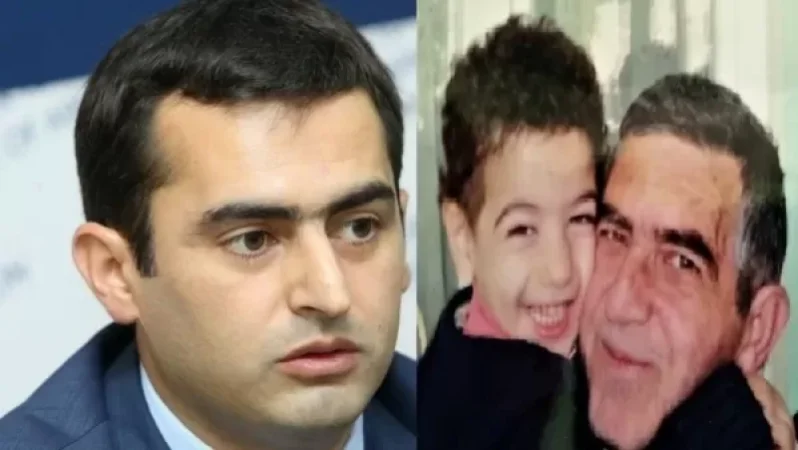
Hakob Arshakyan, the Minister of High-Tech Industry of Armenia, wrote on his Facebook page: ‘I want to tell you a little about my father. My father was the first student from their village. In 1969, he was admitted to the mechanics department of the Polytechnic Institute. By his second decade of life, he was already the chief designer at the Yerevan Ural factory—young, creative, innovative, and full of energy. He was the author of numerous inventions and innovations, traveled extensively, taught and learned.
Thanks to people like him, Armenia became an industrial, productive, and powerful country during the last years of the Soviet Union. From the very first days of 1988, he joined the movement and never parted from his struggle for freedom, independence, and justice principles. During the movement, he would sit me on his shoulders and take me to the sea of people; I still remember the day when the freed political prisoners of the ‘Karabakh’ committee were brought to the square on shoulders.
‘I will be the last emigrant from Armenia,’ was his frequent answer to job offers from abroad and the appeals of friends and relatives to leave Armenia and utilize his professional skills outside. One day, he returned home very sadly, saying, ‘I wasn’t accepted.’ He had gone to join the ‘Suicide Bombers’ squad in response to Vazgen’s call. ‘How many children do you have?’ Vazgen asked. ‘Three sons.’ ‘I’m sorry, but we cannot accept you in our ranks; you still have three soldiers to raise.’
My father, along with a group of his friends, was engaged in arms production. We learned about this years later. My father persuaded dozens of our relatives and friends to go and study at the universities; he tutored them in mathematics, and they all succeeded. I emerged as the weakest of his students, barely collecting 15.5 points, which wasn’t enough for admission to my desired department. My father couldn’t believe I could do so poorly on the exam, always looking for reasons, trying to help me psychologically: ‘My son, you probably didn’t feel well during the exam.’
As an inventor, he created various production devices that brought not only our family out of poverty in the 90s but also dozens of other families who managed to produce goods with these devices, enabling them to enter the market from scratch. His devices quickly pushed Turkish counterparts out of the market. To this day, his devices do not break down, create production miracles, and have no competition. His machines are still operational from Paris to Milan, Moscow to Los Angeles. There was no impossible task for him; his hands worked miracles, and he worked purely out of love; if a person or job didn’t meet his approval, he would refuse to work for any amount of money.
My father didn’t like to negotiate; commerce was the most unpleasant part of his work. He loved to see his machines in operation, creating value and lightening people’s burdens—from farmers to confectioners, meat producers to traders. He often went personally to see and ascertain that the machine was functioning correctly, that it served its purpose. While traveling, he liked to point out, ‘My machines are working here; two were bought; they are wonderful people.’
My father liked to repeat that his father, Hakob, was an ordinary guard and gardener. He never allowed anyone to boast about their success; he treated all workers—from laborers to directors—with respect. Humility, honesty, and fairness were his guiding principles.
My father participated in his country’s scientific and industrial development, joined the movement for independence, took part in the victory of the Artsakh war, and contributed to the final victory of the Revolution. He took pride in and was filled with hope once more that his beloved homeland would become a powerful nation, and he peacefully departed from us.
My father wished that we would not worry too much for him, said he loved us all very much, and expressed that he wanted to go home.
His funeral ceremony will take place today (November 5) from 18:00 to 21:00 at the St. Harutyun Church of Parakar, and the burial ceremony will be held tomorrow at 13:00 from the same church.
Նմանատիպ հոդվածներ
Ավելին Politics բաժնից
Ծառուկյանին ձեռնաշղթաներով բերեցին քննչական մարմին. ինչ է սպասվում
Նոր միջուկային գործարք ԱՄՆ-ի և Սաուդյան Արաբյայի միջև. WSJ
ԵՄ-ում Ռուսաստանի դեմ նոր պատժամիջոցների ընդունումը չի հեշտացել. Politico