Aliyev Accuses Armenia of 'Heroization of Fascism' in Presence of CIS Leaders: Mikael Minasian
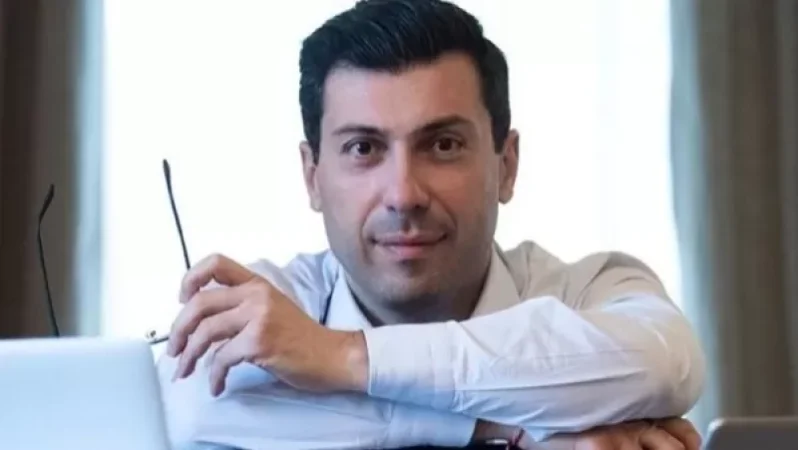
The former Ambassador of Armenia to the Holy See, Mikael Minasian, wrote on his Facebook page:
“In Ashgabat, during the summit of CIS member states, the speech of the President of Azerbaijan was a logical continuation of the situation created during last week’s meeting at the 'Valdai' Club in Sochi.
In fact, in Sochi, in the presence of the leader of Armenia's ally, strategic partner, and the co-chair of the OSCE Minsk Group engaged in the settlement of the Nagorno-Karabakh conflict, Aliyev allowed himself to make unilateral, false, and manipulative statements about the Nagorno-Karabakh issue without the participation of the other two parties to the conflict, Armenia and Artsakh.
As a result, Aliyev concluded that he could do anything and, already in the presence of the leaders of the CIS member states, accused Armenia of 'heroization of fascism,' referring to the statue of Garegin Nzhdeh installed in Yerevan. Is Aliyev's behavior coincidental? Of course not.
First, as I mentioned earlier, Aliyev decided that he is permitted to make any expression against Armenia in the presence of the president of our strategic partner. Aliyev seems to believe that the rude, sometimes unforgivable mistakes of Armenia's new leadership in foreign and domestic politics and the resulting nervousness in Armenian-Russian relations can give him the opportunity to cynically infiltrate between the two allies, forgetting that Russian-Armenian relations are more profound than current realities, including emotions and the actions of any particular leader.
Moreover, our Russian friends and partners should never forget this either. Otherwise, even silence from some can be interpreted as patronage and tolerance.
Second, Aliyev chose a topic that had been actively and, to put it mildly, incompetently and unprofessionally discussed in the Russian media some time ago. He considered the summit of the CIS member states a suitable platform to make allegations against Armenia on that subject.
Understanding our Russian partners' sensitivity regarding Nzhdeh's activities during World War II, I find it important to remind that he played an exceptional historical role for the Armenian people between 1918 and 1921. Thanks to his heroic struggle during those years, Zangezur and Siunik remained Armenian, and the ideologists of pan-Turkism failed to achieve their main goal of uniting Turkey with Azerbaijan and other Turkic-speaking regions.
This achievement is significant not only for the Armenian people and their allies but also for the entire region. That is why Garegin Nzhdeh is a hero for the Armenian people. This is a well-known fact for scholars, and the contemporary geopolitical realities are the best evidence of it.
Considering the necessity for the objective perception of the issue among the public of our allied country and the need for their awareness on the matter, as well as to eliminate all possible speculations, the 'Foundation for a Free Society' in its formative stage will actively engage with this topic. In the near future, the foundation will announce a grant competition for the most accurate representation of Garegin Nzhdeh's activities between 1918 and 1921 and for promoting this topic within the Russian expert community.”
Նմանատիպ հոդվածներ
New Apartments for Soldiers in Goris: Artsrun Hovhannisyan
We Do Not Have Hostile Entrepreneurs, There Is No Division Between Opposition and Pro-Government Businessmen in Armenia: Prime Minister
Urgent: Pashinyan and Aliyev Talked for More than Two Hours
The Constitutional Court Rejects Examination of Hrayr Tovmasyan's Authority Termination
Ավելին Politics բաժնից
Իրենք ոչ ընտրվել են, ոչ էլ՝ հաղթել. Իշխան Սաղաթելյան
Ավելի լավ կլինի, եթե ընդդիմությունը չգա խորհրդարան. Ռուբինյան
Մոսկվան պահանջում է Եվրոպայից հեռացնել ամերիկյան միջուկային զինանոցը