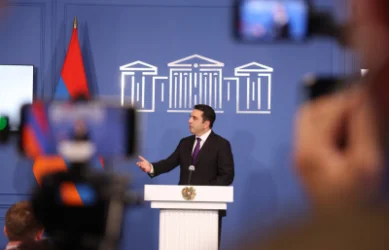
Queue at the Upper Lars Border Crossing Continues to Grow: Dallakyan

If 10 days ago the queue of vehicles at the Lars border crossing was 30 km long, now it has reached 50 km. However, politicizing the issue is unreasonable and incomprehensible. This was stated by Arthur Dallakyan, a member of the Prosperous Armenia faction, during a speech in the National Assembly, responding to the remarks of the ‘Enlightened Armenia’ MP Arman Babajanyan.
It should be noted that Babajanyan had mentioned that many Armenian drivers claim that Russian drivers are demanding bribes for weighing luggage and for permission to cross the border. Additionally, according to Babajanyan, such problems in Lars are being created for political purposes, either directly or indirectly pressuring Armenia.
“Yes, we have a problem in Lars, moreover, this problem is increasing day by day. Today we have 50-kilometer-long queues, and these queues are likely to keep growing. However, I find the politicization of the issue incomprehensible,” said Dallakyan.
According to him, the accumulation of vehicles in Lars is a technical problem. Dallakyan emphasized that when it is claimed that Russian border guards take bribes, such announcements have serious repercussions at the crossing point.
“Russia is our tactical partner; what does it mean to give a bribe, to do this or that? Our drivers face serious issues because of such false statements. The problem is technical, and it is solvable,” he stated.
Earlier, it was reported in the media that the queue of trucks at the “Upper Lars” border crossing has reached the city of Pyatigorsk in Russia. Alarmed drivers are complaining that they have been waiting in line for their turn for 10 days now and are forced to pay 500 rubles daily for parking. The press service of the Armenian embassy in Russia stated that the reason for the accumulation of trucks heading from the Russian side to Georgia is of a technical nature. In particular, some cargo carriers have necessitated additional procedures due to exceeding vehicle loads and allowable norms, which has extended the border crossing process.
Նմանատիպ հոդվածներ
Meeting Between Putin and Bella Kocharian Held at Russian Embassy
VIDEO: Pashinyan, Putin, and Rohani in High Spirits
BREAKING: Valery Osipyan Submits Resignation from Position of Chief Advisor to the Prime Minister
Don’t Worry That We’ll Be Friends with Anyone Against Armenia: Lukashenko to Pashinyan
Ավելին Politics բաժնից
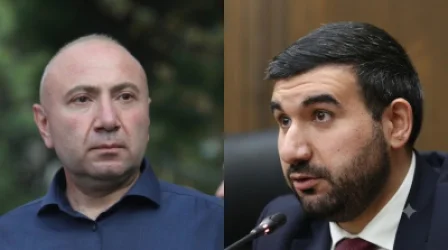
Անդրանիկ Թևանյանը դատի է տվել Վահագն Ալեքսանյանին․ պահանջում է հերքում, ներողություն և 9 մլն դրամ փոխհատուցում
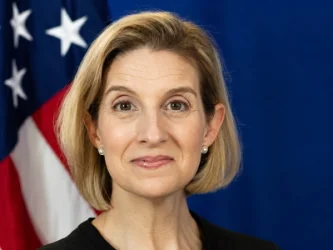
ԱՄՆ-ը պատրաստվում է ընդլայնել Ադրբեջանի հետ համագործակցությունը. Քարլոն
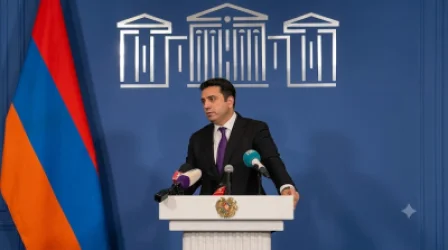
ՏԵՍԱՆՅՈՒԹ. Փաշինյանը ձեր մեջ մրցակի՞ց տեսավ, դրա համար էսպես եղավ… Գի՞ժ եք. Ալեն Սիմոնյանը՝ լրագրողի հարցին