Interesting and Surprising Facts About the Human Heart
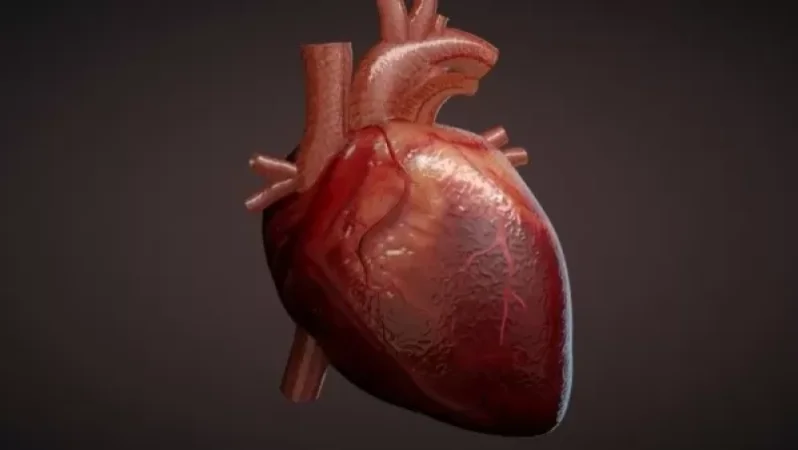
The heart is a muscle located in the human body that acts as a pump, circulating blood through veins and arteries. The number of heartbeats can vary at different ages. In adults, the heart beats about 72 times per minute, while a one-year-old child has about 110 beats, and a newborn's heart beats 120 to 140 times per minute. Interestingly, a fetus's heart begins to beat four weeks after conception.
Here are some intriguing facts about the heart, as reported by fakt.ru:
On average, the human heart performs approximately 4,200 beats per hour, 100,800 times a day, and 36,792,000 times in a year, totaling more than 2.4 billion beats by the age of 64.
During each contraction, the human heart pumps out 60 milliliters of blood. This amounts to 420 milliliters per minute, 25 liters per hour, 600 liters per day, and over 200,000 liters a year.
During moments of high stress and exertion, the heart rate can soar to 200-250 beats per minute, allowing the heart to pump more than 40 liters of blood through the circulatory system.
Scientists conducted fascinating studies on Andrey Novikov, a participant in a 100-kilometer ski race. They calculated that during the 6 hours and 22 minutes of the competition, his heart pumped approximately 35,000 liters of blood—enough to fill a railway cistern.
Interestingly, the human heart weighs only about 500 grams, yet it performs work sufficient to lift a 65-kilogram person 10 meters in just 10 minutes.
Men's hearts tend to be heavier than women's. A man's heart weighs about 320 grams, while a woman's heart weighs around 240 grams. However, women's hearts beat faster than men's.
Lastly, the first heart transplant was performed on December 3, 1967, by South African surgeon Christiaan Barnard. The patient survived only 18 days post-surgery.
Նմանատիպ հոդվածներ



Ավելին Other բաժնից

14:00 Լուրերը մեկ տողով. Կորտերի կապարակնքում. Թուրքիայի հետ պայմանավորվածություն է ձեռք բերվել

13:00 Լուրերը մեկ տողով. Ապահովագրություն բոլորի համար և աղքատության նվազում
12:00 Լուրերը մեկ տողով. Ինչպես են փրկարարները երեխաներին փնտրում. Հայկական ծաղիկները՝ Ուկրաինայում