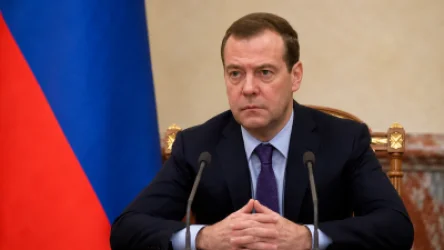
Arman Babajanyan Leaves the 'Bright Armenia' Faction: Details

Arman Babajanyan, a member of the National Assembly's 'Bright Armenia' faction, has released a statement announcing his departure from the parliamentary group. The statement is titled 'In the New Armenia'.
Here is the full text of his statement:
IN THE NEW ARMENIA
The Velvet Revolution of 2018 created an entirely new situation in all spheres of state and societal functioning in Armenia. The authoritarian regime, which had ruled the country for over two decades, was replaced by a government enjoying unprecedented public trust, fully democratic in nature. However, in the first half-year following the revolution, Armenia's political landscape and life were marked by a deformed, degraded situation since, on one hand, there was an executive authority enjoying public trust, while on the other, there was a parliament elected through illegal elections, disconnected from public sentiment and expectations.
It seemed that this political casus would be resolved through the 2018 parliamentary elections, yet those elections merely nominally changed the political status quo, leaving the content of politics trapped in the inertia of the past.
NEW ARMENIA, OLD SYSTEMS
At the core of the Velvet Revolution was primarily the struggle against the previous authoritarian regime and, as a consequence, the victory of democracy, fundamental rights, and freedoms. The revolution, as an act, resolved that issue. However, it needed to be followed by a change in the content of state and social life, one that would align that content with the revolution and its proclaimed values and ideas. For that, it was essential first to transform and revolutionize the political system, political life, and relations.
The early parliamentary elections of 2018, as I mentioned, resolved this issue only nominally. In addition to 'My Step', the parliament also welcomed 'Prosperous Armenia' and 'Bright Armenia', forming the new National Assembly of Armenia, governed by parliamentary principles. However, the months following the elections demonstrated that the new parliament was new only in form; it was entirely disconnected from the agenda, realities, and challenges of the new Armenia.
This observation applies to both the ruling 'My Step' faction and the 'Prosperous Armenia' and 'Bright Armenia' factions. The ruling 'My Step' faction displayed its utter ineffectiveness and inadequacy in several significant events for the state and society (the constitutional court crisis, the Amulsar issue, the Istanbul Convention, etc.). The institutional and systemic reason for the aforementioned and various other issues is precisely the inadequate behavior of the parliamentary ruling faction and its disconnection from today’s political realities and challenges.
Similarly, the parliamentary opposition, represented by 'Prosperous Armenia' and 'Bright Armenia', has exhibited a completely inadequate behavior in confronting problems. We have not seen creativity, initiative, and innovation from the opposition. They have failed in their mission to be better than the ruling party, as well as in their crucial role of providing an alternative to the government. As a result, we have an inadequate parliamentary power and equally inadequate parliamentary opposition in the country under parliamentary governance.
In other words, under parliamentary governance, the state is effectively living with a non-functional parliament, leading to all visible consequences, but more dangerously, also to those that are seemingly overlooked and have the potential for crises.
The consequence of this situation is the fact that today’s government is being challenged by representatives of the previous criminal regime, namely former presidents Robert Kocharyan and Serzh Sargsyan. Their presence and activity in today’s political life are a direct result of the parliament’s dysfunction and their zero role in the political sphere.
Parliamentary forces have been unable to maintain the political agenda and discourse in parliament, resulting in under-parliamentary distorted political relationships currently dominated by revanchism.
New Armenia is first and foremost a democratic Armenia with all its systems and frameworks. However, in reality, we have a situation where the main actors of the political system operate under the inertia of the past, with the old ideologies and old tools. Yet the completely new political realities and conditions created after the revolution do not permit the conduct of political struggle according to the rules and methods established in the conditions of authoritarian rule. Yet we are witnessing that very reality—the current parliamentary forces are operating under the same methodology that previous authoritarian regimes adhered to. This cannot continue.
NEW ARMENIA, OLD FOREIGN POLITICS
The mismatch and disconnection from the agenda of the Velvet Revolution manifest not only in internal life but also in foreign policy. The current Armenian government has stated that there will be no shifts in foreign policy. The past year and a half demonstrated that indeed there have not been shifts. However, not executing shifts should not imply there will be no changes in foreign policy.
When looking at the reality, it demonstrates otherwise. Armenia, led by Nikol Pashinyan, follows the same foreign policy that was pursued by Armenia under Serzh Sargsyan. This was even recently acknowledged by Nikol Pashinyan himself, as he spoke about the principle of inheritance in foreign policy. This implies that we also face problems of inconsistency and inadequacy in foreign policy.
It is impossible for a democratic state to pursue the same foreign policy that has been previously operated by an authoritarian regime. This represents an absurdity in which we have been living for a year and a half. While new Armenia, a democratic and universal value-espousing Armenia, should literally open up to the world, renew its communications with the world, and bring the world to Armenia in both literal and metaphorical senses, we have, instead, seen cautious foreign policy, dominated by a pronounced pro-Russian alignment.
In other words, the same algorithm continues to operate within our foreign policy, which underpinned Serzh Sargsyan’s illegitimate regime’s foreign policy. Meanwhile, today we have unprecedentedly high legitimacy for the government that can and must interact from positions of sovereignty, especially with Russia.
Sovereignty, by the way, was recently declared as one of the pillars of foreign policy by the prime minister during a meeting with ambassadors. Unfortunately, this currently only holds declarative importance and does not manifest in practical political measures.
For fairness's sake, it should be noted that in this matter, the executive branch, Nikol Pashinyan, lacks any political support from participants of the political system. Parliamentary political forces are cavorting with Russian circles, while extra-parliamentary entities unashamedly take on the role of the fifth column.
In other words, the leadership of the country lacks political support for conducting a sovereign foreign policy. This is no longer merely a political issue but one that involves the state’s interests and national security—an issue that sadly is not even recognized by our political forces.
Thus, a year and a half after the Velvet Revolution, we have a disconnection and inconsistency between the revolution and the internal and foreign policies, which poses a direct threat to national security and primarily jeopardizes the Velvet Revolution itself.
NEW ARMENIA, NEW POLITICS
Despite all the negative shades, the situation is not pessimistic or, moreover, closed-ended. One of the greatest achievements of the Velvet Revolution is the awakening of legally aware citizens from the stupor, resulting in a society that, regardless of contrary claims, has become a subject and at least has indirect influence on the decision-making processes. The awakening of society strengthens the institution of public discussion and discourse daily, enhancing societal subjectivity.
A society that has carried out a revolution no longer awaits passively; instead, it demands rights and has legal consciousness. And even if the Government's rating diminishes, the revolution's rating, so to speak, remains unchanged. The overwhelming majority of Armenian society believes in the revolution and its values, and our problem should be to not allow any circumstances to devalue that belief.
Therefore, our task is to create the necessary environment and formats for the consolidation of the legally aware part of society first and foremost. The prerequisites for this are more than visible at both the individual level and that of civic and public entities. Time is maturing for political formulations of those sentiments. Because if parliament is indeed ineffective, many individuals and groups outside parliament can form a political agenda that corresponds with the revolution and can, metaphorically speaking, save it. The Velvet Revolution is still not over, and all those who still believe in the values of the revolution can and should unite around preserving the course and continuity of that revolution.
The revolution has provided Armenia with an exceptional historical opportunity, and we simply cannot afford to squander that opportunity. Future generations will not forgive us for that.
PS: The above-mentioned reasons and factors have made it incompatible for me to remain within the National Assembly's 'Bright Armenia' faction, which, unfortunately, has compelled me to make the difficult decision to leave the faction. I will announce this at the start of the upcoming parliamentary session. I will also inform in the near future whether I will relinquish my parliamentary mandate or continue my political activities as an independent member.
PS: Special thanks to my colleagues in the 'Bright Armenia' faction for the journey we have shared.
Նմանատիպ հոդվածներ
Ավելին Politics բաժնից
Հայաստանից ԵՄ երկրներ անմաքս արտահանումը չի հակասում ԵԱՏՄ անդամակցությանը․ Վահան Կոստանյան
Ռուսաստանը բողոքի նոտա է հղել Շվեդիային
Մենք չենք վախենում Իսրայելի հետ բախnւմից․ Ֆիդան