The Future of Armenian Television Companies is at Risk with This Law,
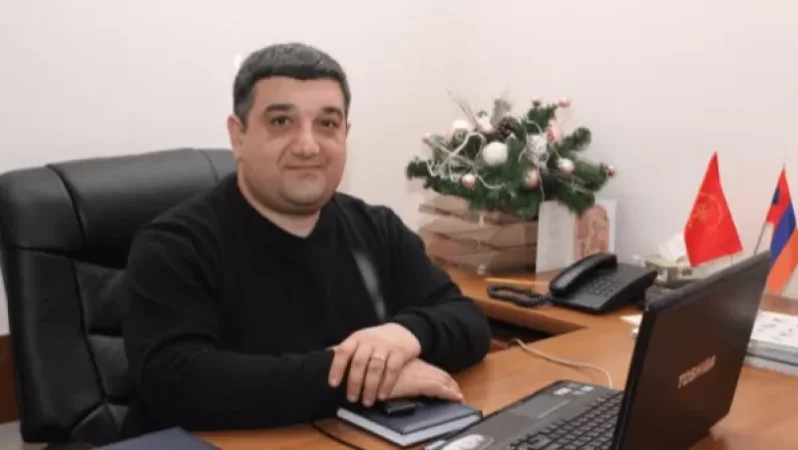
168.am has conducted an interview with Davit Hakobyan, the executive director of Erkir Media TV.
- Mr. Hakobyan, what are your thoughts on the amendments to the Law on Television and Radio? Do they actually regulate the industry or worsen the situation, as some opinions suggest?
– The law concerning terrestrial broadcasters is outdated because when the press adopts a multimedia identity and transmits through all possible means, terrestrial broadcasting becomes just one method of broadcasting news. The internet and other means of delivering information already exist, and this segment is no longer regulated by any law.
What did we have until now? The history of the development of Armenian terrestrial broadcasting companies is not long. As you know, during the Soviet years, we had one state television company, followed by another semi-state one at the beginning of independence. Then, starting from the late 1990s and early 2000s, the majority of current television companies began to take shape. Over these 20 years, the evolution of television companies has been visible to everyone: new areas, new studios, new formats of programs. In about the 2000s, we began to adopt international formats, and we arrived at where we are now. We have television companies, but we do not have an economy; that is, the primary financial income of a television company comes from advertisements, sponsorships, and some grants.
When the economic situation worsens, inevitably, all television companies or media in general encounter the problem of how to sustain their economy. At this point, various rumors arise: this one is funded by this media, that one by the other, and competition in unequal conditions becomes unbearable. I spoke in detail because television companies already have survival issues. Television and radio stations are not part of the state multiplex but are broadcasted with state support. Establishing a private multiplex has not been profitable; otherwise, all would be in private multiplexes. A private multiplex requires a significant investment, and once you invest, you need to understand whether you will have clients, meaning media that will participate in that multiplex. The population of our country is not large enough to make it profitable to have private, state, and other multiplexes; otherwise, they will become small community multiplexes and cannot cover all of Armenia. The geographical landscape of Armenia is such that you need to install about 200 or more towers to ensure uniform coverage across the territory. This particularly concerns radio and television companies with republican coverage.
Moreover, according to the law, the annual state fee for the multiplex, if I am not mistaken, is 100 million AMD. That’s a huge expense, maintenance costs, plus 100 million AMD needs to be paid for the private multiplex. I do not know why this is being done, but under these conditions, it is almost impossible for a private multiplex to open. It’s another matter if they lower those expenses or the state tries to support private multiplexes somehow. In that case, I am confident that no one will stay in the public multiplex; they will move to private domains because, even now, more is paid in the public multiplex than in private.
- The Media Defender had issued a statement regarding this draft law, which particularly mentions that at a time when there is a process of liberalizing media worldwide, it is puzzling that NGOs aim to provide disproportionate advantages to state-funded and state-controlled media. 'This circumstance will not only put the competitiveness of private television companies into question but can also lead to the elimination of this business,' the statement said. Do you see such a trend?
– It might be a bit harshly stated, but similar statements will certainly arise. Let us hope that there are no political motives behind this, but it is also necessary that the interested parties participate in the discussion of the law. The initiators of the law have not conducted any research inside any television or radio company; I have asked all my colleagues, and there is not a single terrestrial broadcaster they have consulted regarding the issues we see. In any case, a superficial attribution is immediately made: this is connected to this person, that one to another, and it becomes a more political matter of settling scores. But they do not consider that the field of television and radio could be placed in danger, and perhaps that is what the Media Defender meant.
In general, when we look at the proposed project today, it is almost the same, with the slight modification that the state public multiplex should serve the state and public interest. I do not object, but the enormous financial resources we spend on public and state broadcasters, if we try to turn them into national projects, not just those of the current government, I am confident that the state will have public television and radio companies in the form of these 16 television companies that will cover programs that preserve our national values—new generations, armed forces, education system, environmental issues.
- Is the draft law aimed at limiting freedom of speech, as some circles claim?
– No. It is fundamentally impossible to limit freedom of speech even in authoritarian countries. A cautious person may not speak; the one who has a principled and ideological approach will speak. What does it mean to limit freedom of speech? Since independence, no authority in Armenia has ever managed to restrict freedom of speech. An atmosphere of fear may have been created, but limiting freedom of speech is impossible.
- So, the main issue that will arise for you is the problem of private multiplex?
– When you say that you want to develop private television, let’s provide the opportunity for private multiplexes. Friends, did you check why the private multiplex has not opened until now? Could it be that it has not been profitable to open? If it were profitable, rest assured they would have opened it. If they have not opened it, it means there are no clients to open because we have a small population. It is not profitable for our country to have one state multiplex and one private one, especially since we can find a golden mean. We inherited a huge television tower from the Soviet Union, which is now a state closed joint-stock company. We can regulate the functioning of that tower, increase paid services, or subsidize them by the state, but in a way that allows television companies to operate.
If television and radio companies have a certain licensing period, try to introduce some supervision in that field. If I have won my channel by presenting a program that transforms in five years, I should check whether that television company is operating correctly or incorrectly. But if you really want to do something that will result in small community private television companies and unclear public television companies with five channels, then it seems we are going back to Soviet times. Okay, let’s assume the prime minister is a popular person now; the previous ones were dictators. But what happens if tomorrow a new dictator replaces him? What will be the situation then? This means that if we are doing something today, we must consider everything.
In general, television is not a profitable business in Armenia today. People involved in television have realized that in a rapidly developing world, youth are using the internet more than television. We conducted a sociological survey—there are fewer people watching live at that moment than when the same program circulates online later. In a few years, people will have no time or will try to watch television production in available ways. In general, television will become a factory that simply produces its content and will have to seek how to market it, this is another issue—whether it will try to do this in accessible and affordable ways. For example, who would have thought before that any person could live-stream any event and talk about it? At one time, television stations would go to the scene in buses with huge crews to secure a live broadcast. This means that in a few years we will find ourselves in a completely different place.
- Therefore, we need a more modern legislative initiative?
– Yes, we need a more modern legislative initiative that relates not only to terrestrial broadcasters but to audio-video broadcasters. That is, it does not matter how you are broadcasting—via terrestrial or through the internet; you still need a law that encompasses everything in the system. The law serves so that those working in this field operate in a more organized manner.
- And if this law is adopted as is?
– The future of Armenian television companies is at risk. It becomes a state television company. When I first entered the television field, there were few specialists. Later, all television companies created an internal system resembling a school; they brought in staff, trained or retrained them, and then employed them because there was previously only H1’s school. Afterward, various television companies, learning from global experiences, tried to have their interpretations; if you look now, television companies have their colors and styles. As a result of their internal schooling, they gained their differences. Now we are trying to break all this down and return to an approach based solely on one school. If we look at it politically, it is possible that we need to close them all, but those calculations will also be wrong. The question here is that generally, people who understand the field and do not have long-term accounts to settle in this industry need to recognize that this way, the field of private television companies is at risk. And if you look at the activities of the public broadcasting over the years, there is also a professional team, but it cannot service five channels with its small building. It will cost five times more to the state to service Armenian public television under the new law. Or there must be channels based entirely on interview formats. The areas of television companies abroad are about five to six times larger than ours. We must try to shape our activities based on the sizes of our country because as a result, an even greater burden will fall on the state tomorrow. Or we will be forced to chase various international financial flows, and what benefit that will bring to our country is already a matter of responsibility for the person responsible for the state today. Armenia is in a complex geographical position and in the interest domain of different countries; if the state does not realize what it wants in this field, other countries will continually realize it. Today, if there is no money in Armenia, there is plenty of money to the north, south, east, and west, and that money will be used to influence our society, and the media is the most convenient option for that.
Նմանատիպ հոդվածներ
Ավելին Society բաժնից
Լիբանանում զոհերի թիվն աճում է․ Իսրայելը շարունակում է հարվածները

Նոր սպառնալիք մարդկանց առողջության համար․ գիշերներն ավելի արագ են տաքանում, քան ցերեկները

ԱՀԿ-ի նոր հայտարարությունը՝ հանտավիրուսի բռնկման վերաբերյալ