Government Opposes Increasing Fine for Drivers Crossing into Opposite Lane to 150,000 Drams
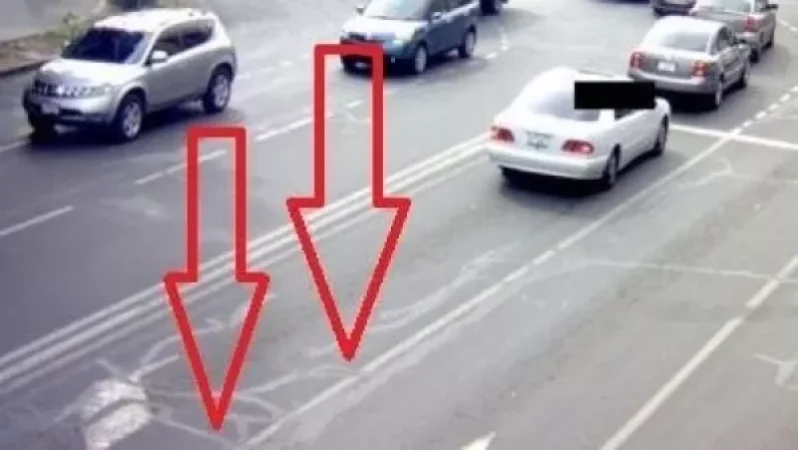
The government did not approve a legislative initiative by Prosperous Armenia Party members Naira Zohrabyan and Vahe Enfiajyan during its meeting on August 22, which proposed increasing the fine for drivers crossing into the opposite lane from 30,000 drams to 150,000 drams.
The government's reasoning stated: "The purpose of an administrative penalty is to educate the person who has committed an administrative offense in the spirit of respecting the law, and for this, serious guarantees are necessary when establishing and imposing an administrative penalty, while adhering to the principles of justice and proportionality. A penalty is just if it is proportional to the committed fault and also sufficient to achieve the objectives of the penalty."
It was emphasized that the amounts of fines prescribed for administrative offenses are not arbitrary but are intended to serve the purposes of administrative penalties. Thus, when determining the amount of the fine, the legislator's discretionary powers are not absolute, which implies that the amount of the fine established by law is directly proportional to the degree of public danger of the act.
In this context, it should be noted that for serious violations of traffic rules provided for in Chapter 10 of the Administrative Code of the Republic of Armenia (non-compliance with the prohibitive signal of a traffic light or traffic controller, exceeding the established speed limit, driving by persons deprived of the right to operate vehicles, etc.), which pose a danger to participants in traffic and potentially lead to dangerous consequences for the public, the legislator has established sanctions that are lower than or equal to the amount proposed in the draft.
For instance, non-compliance with the prohibitive signal of a traffic light incurs a fine of twenty times the established minimum wage, and driving by persons deprived of the right to operate vehicles also incurs a fine of twenty times the established minimum wage.
In light of these analyses, we find that the imposition of a 150-fold minimum wage penalty for the offense in question does not align with the overall logic of Chapter 10 of the Code, and is problematic from the perspective of the proportionality principle outlined in the Constitution of Armenia.
It should also be noted that the package of bills aimed at implementing the points system for fines, developed by the Police of the Republic of Armenia and already presented to the National Assembly, adopts a fundamentally new approach. In particular, it proposes to establish not only a fine but also a penal point for violations in the field of road traffic, as a form of administrative penalty, whereby offending drivers may be deprived of their right to operate vehicles for up to one year.
Additionally, the bills have revised the penalty policies in this area. For the offense specified in part 18 of Article 124 of the Administrative Code, the draft provides for the application of a penal point, as well as changes to the amount of the fine.
In summary, we find that the proposal presented in the draft has a conceptual nature, and the choice of approach by the state should be systemic; therefore, in order to provide a more systemic solution to the issue, we propose to leave the article under discussion unchanged.
Նմանատիպ հոդվածներ




Ավելին Society բաժնից

Ամռանը երեխաների ջրահեղձության դեպքերն ավելանում են․ԱՆ

Ուժեղ քամին վնասներ է հասցրել Երևանում և Գեղարքունիքում

Իսրայելում կարող են արգելել բարձրախոսներով ազանը