Istanbul Convention: States Not Required to Change Traditional Family Concepts, Ministry of Justice
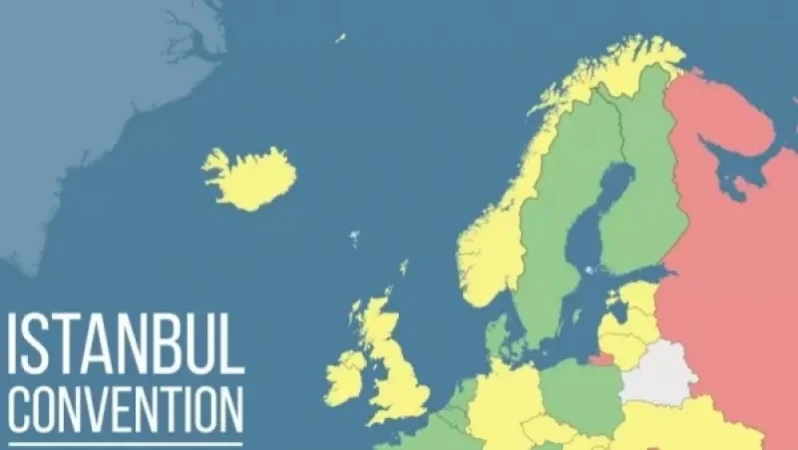
The Ministry of Justice has highlighted misunderstandings regarding the "Convention on Preventing and Combating Violence against Women and Domestic Violence," commonly known as the Istanbul Convention.
“Misunderstanding No. 1: Upon the adoption of the Convention, the adoption of children by LGBT individuals will become a technical issue. Misunderstanding No. 2 concerns the interpretation of the term "partners": The concept of "family unit" is being used to legitimize same-sex unions and opens the way for the legalization of same-sex marriage. Misunderstanding No. 3: The Convention grants legal grounds to LGBT individuals, which may serve as a basis for future legislative regulations.
CLARIFICATION: The Convention does not regulate family life or the structure of the family, and states are not required to change traditional perceptions of family. It does not contain a definition of "family" nor does it encourage any family structure.
Moreover, in the explanatory report of the Convention (points 3, 41, 219, 220, 236, and many others), when discussing the scope of individuals to whom the Convention should apply, it is explicitly stated that it should not be limited to spouses or former spouses, but should also extend to “partners as recognized by internal law,” former partners, and even cohabitants who do not have a familial or intimate connection (domestic unit). Under this formulation, various forms of cohabitation such as grandmother and grandchild, aunt-uncle or mother and child, etc., fall under the category that our Constitution does not consider a "family," as the family is defined as a union between a man and a woman.
Additionally, the explanatory report mentions that domestic violence primarily includes two types: intimate-partner violence between current or former spouses or partners (as noted above) and intergenerational violence, which typically occurs between parents and children.
It is also important to note that if the phenomenon of cohabiting outside of marriage is not widespread in our country, the status of such partners is widely recognized and equated to marriage relations in EU member states. Therefore, the Convention includes partners precisely because of this broad recognition, which does not necessarily mean “same-sex partners” or “same-sex friends,” as it has been construed. Most importantly, it is clearly stated, "partners as recognized by internal law," which translates to the Convention applying specifically to “partners recognized by internal law.” If national legislation does not recognize same-sex marriage or de facto marital relations, the claims that the Convention introduces a new family model or paves the way for same-sex marriage, or furthermore, creates grounds for their adoption of children, are, at best, the result of ignorance, if not manipulative intent and devoid of meaningful content.
Overall, the Ministry encourages our citizens to read the Convention with a critical eye to form their own opinions and to question what norms regulate such matters or encourage such ideas. If anyone finds any such norm in the Convention, the Ministry is ready to engage in relevant professional discussions to clarify the issue. By the way, the official Armenian translation of the Convention is also available here:
Նմանատիպ հոդվածներ

Government Increases Monthly Payments for Mandatory Military Servicemen
Vahe Grigoryan Denies: I Have Never Had Any Contact or Connection with the Author of the BBC Article

Compensation for Victims of March 1 Events Set at 5-30 Million AMD

Housing Issue of 61 Families Left Homeless by Earthquake to Be Resolved
Ավելին Politics բաժնից
Վարչապետի աշխատակազմի ծրագրերի գծով ծախսերն աճել են

Գագիկ Ծառուկյանի փեսուն զրկել են տնից և տնային կալանք տվել. «Հրապարակ»

Յուրօրինակ ընտրություն` Վարդենիսի ընտրատեղամասերից մեկում