Waste Management Should Be Funded by Bonuses, Not Kindergarten Renovation Budgets

The president of the NGO "Informed and Protected Consumer" Babken Pipoyan is astonished by the City Hall's operational approach and its problem-solving alternatives, though this time in a negative sense. In a conversation with Tert.am, he stated that the activities of the municipality and its communication with the public should be harmonious, transparent, and balanced, as the city faces issues that need solutions.
"The municipality must understand that the highest probability of error occurs when everything is done to prevent those around them from advising them on what to do to avoid mistakes. However, the City Hall operates with a methodology where vulnerable issues necessitate avoiding discussions. In reality, it is not about avoiding consensus or listening to suggestions, but about seeking solutions. Unfortunately, the municipality is not pursuing this path, making decisions that directly contradict the methodology that seemed to be in place," he said.
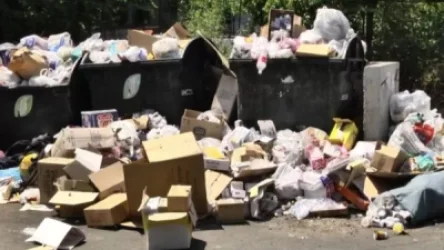
In this context, Pipoyan addressed the issues related to waste management. According to him, this problem should be viewed from two dimensions: whether the chosen method for solving the problem is correct, meaning, whether waste management should be carried out through a municipal institution; and, secondly, what budget the municipal institution is using for waste management.
"The emphasis is on whether the municipality should independently manage waste by creating a municipal entity, or if they should consider other mechanisms, such as involving a new operator, bringing in vehicles as a public safety buffer, but handing over operations to another company, and so on. But the other side of the question is the funds used to form the municipal institution. Here it would be at least strange not to remember the budget with which the municipality started operating, a budget that faced severe criticism during discussions. Should we clean the city or not? No one answers this question; we won't clean it, as nobody would be sad about a clean city or new vehicles. But at whose expense and how?" Pipoyan noted.
The consumer advocate reminded that during discussions about lifting the red lines, Mayor Hayk Marutyan stated that if they were lifted, they would not be able to renovate kindergartens, etc. He pointed out that during the discussions of Yerevan's budget, the increase in bonuses, which nearly tripled, faced significant criticism. "They said, you know, just because we’re increasing this budget doesn't mean we will spend it. As a result, the budget for bonuses rose from 750 million drams to about 2 billion drams, meaning the amount for bonuses and operations increased by 1 billion 250 million. Today, when there's a need to solve the waste management problem, they are cutting not the funds intended for bonuses, but the funds allocated for the renovation and reconstruction of kindergartens. There can be various explanations that they will not have enough time to complete construction before the year ends, which is why they are taking from this budget, but there is a strong counter-argument: Is the situation in our kindergartens so dire that we can afford not to renovate them for another year?" Pipoyan emphasized.
He believes that the city authorities must first of all be honest and capable of spending the existing funds efficiently. "Let me give an example; when we see a hungry child on the street, poorly dressed and dirty, each of us might buy something for them. If tomorrow we see that same child wearing the most expensive branded clothes, we would rejoice that someone gave them a gift. However, if we find out that they were given expensive sportswear but no food, and they haven’t been cleaned, then it would be abnormal for someone to have paid for the most expensive branded clothing without fulfilling the essentials. This means that with the same amount spent, the child could have been clothed, bathed, and fed," Babken Pipoyan concluded.
Նմանատիպ հոդվածներ



Ավելին Society բաժնից
Կիևյան կամրջի շուրջ նոր ապատեղեկատվություն է տարածվում. պարզաբանում քաղաքապետարանից

Ուրիշ տղամարդու կողքին չէի կարող նստել, ամուսնուս վարորդ եմ ընդունել. Արմինե Կոլյան. «Հրապարակ»

Վրաստանում ձերբակալվել է 50 օտարերկրացի․ նրանց թվում են ադրբեջանցիներ և ռուսներ