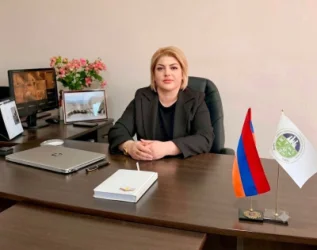
The Istanbul Convention Does Not Contradict the Constitutional Concept of Family or Genders, Says Ministry of Justice

The Ministry of Justice of Armenia, regarding the ratification process of the "Council of Europe Convention on Preventing and Combating Violence Against Women and Domestic Violence" (commonly known as the Istanbul Convention), has deemed it necessary to provide comprehensive information to the public amid discussions that have taken place in recent weeks.
This statement is due to concerns raised by the public regarding declarations about supposed contradictions between the Convention and the constitutional concepts of "family" or "genders." The Ministry aims to assure the public that the Convention does not contradict these constitutional definitions and does not regulate family life or family structure.
The Convention, which entered into force on August 1, 2014, was signed by Armenia on January 18, 2018. Article 86 of the Armenian Constitution stipulates that one of the primary state policies is to ensure actual equality between women and men. Therefore, it is not coincidental that the government program approved by the National Assembly in February 2019 guarantees that the expansion of women's economic opportunities will be prioritized, alongside the establishment of conducive conditions for the implementation of equal rights and opportunities for both women and men.
Moreover, the government program highlights the essential role of a violence-free community in ensuring public security. To increase the level of public solidarity, the government intends to take effective measures to reduce and prevent incidents of violence across all spheres of public life.
Accordingly, point 11 of the five-year action plan approved by the Armenian government decision No. 650-L on May 16, 2019, included the organization of the ratification process of the Istanbul Convention. Thus, the responsible authorities have already begun this process as mandated by the Armenian law on "International Treaties." They have received and summarized opinions from all pertinent state bodies and have submitted the package to the government in accordance with Article 12 of the law.
Before the draft law on the ratification of the international treaty is submitted to the National Assembly, the government will refer to the Constitutional Court, according to Article 169, part 3, of the Constitution, to determine the compliance of the obligations established in the international treaty with the Constitution.
In the meantime, observing the public discussion and negative, sometimes manipulative interpretations surrounding certain provisions of the Convention from various factions, the Ministry of Justice wants to clarify that the Convention does not change traditional definitions of family and does not impose any obligations on states to alter their perceptions regarding family structures.
The Convention makes no definitions regarding "family" nor encourages any family structure and does not impact national legislation on marriage. It does not put national traditions and values at risk; on the contrary, it does not require the elimination of traditions, contrary to how it has been represented.
The Convention explicitly states that traditions, culture, and religion cannot justify violence against women. Moreover, within the context of Armenia, the 1973 UN Convention on the Elimination of All Forms of Discrimination Against Women has been in effect since 1993, which emphasizes the need to change both men's and women's traditional roles in society and family to achieve comprehensive equality.
The Justice Ministry articulates that the ongoing campaign focused on "preserving traditions" seems merely an attempt to mislead the public, regardless of the real objectives of these efforts. Additionally, the Ministry considers it beneficial to receive the opinion of the Venice Commission, a specialized advisory body of the Council of Europe on constitutional matters, regarding the implications of the Convention on our Constitution. This opinion will be made public once received.
In the meantime, the Ministry will continue to keep the public informed and encourages all members of society to avoid manipulation, take the time to read the Convention, which is available in Armenian at the provided link. The government is committed to creating, strengthening, and ensuring effective mechanisms for the protection of human rights.
Moving forward, the Ministry of Justice will continue to raise awareness among the public through other effective communication methods.
Նմանատիպ հոդվածներ




Ավելին Society բաժնից

Նոր մանրամասներ Ջրաշենի նախկին ղեկավարի ու նրա ծնողների դանակահարության դեպքից

Դանակահարել են Ջրաշենի նախկին վարչական ղեկավարին ու ծնողներին. նրանք ծանր վիճակում են

Կիևյան կամրջի շուրջ նոր ապատեղեկատվություն է տարածվում. պարզաբանում քաղաքապետարանից