Issues of Lake Sevan Will Worsen Without Managing and Reducing Pressures, Minister Erik Grigoryan
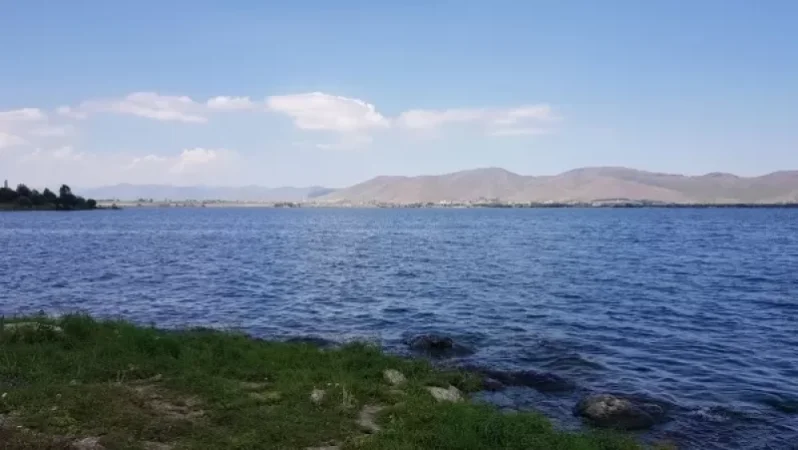
The level of Lake Sevan was 4 cm higher as of yesterday compared to the same day last year. This equates to approximately 50 million cubic meters more water, Environment Minister Erik Grigoryan stated at a discussion conducted today.
“And this is despite the fact that this year we've had 100 million cubic meters more evaporation and 40 million cubic meters less precipitation. If these numbers were closer to the statistical average, we would currently have not only 4 cm more water, but also an additional approximately 10 cm more. Why am I talking about the quantity? Because the quantity has a direct connection with the quality. Problems arose at the time when different operations began to be implemented regarding the quantity and volume of the lake,” the minister said.
Erik Grigoryan noted that since 2007, the concentration of certain organic substances, particularly phosphorus, has been steadily increasing in the lake, disrupting its balance. “On one hand, we have a problem with massive wastewater being poured into the lake. These wastewaters are discharged from almost all communities in the Gegharkunik region, except for those located in lower areas. If we have 94 communities and remove Sevan, Tsaghkadzor, and a few other villages, then wastewater from all other communities flows directly into Lake Sevan without being treated,” he stated.
The quality of the lake is also significantly influenced by livestock farming. Another problem, according to the minister, is the improper cleaning operations conducted in the coastal areas in the past, which have also led to criminal cases. There is certain pressure resulting from the phosphorus factor released by aquaculture farms. “And there is one significant fact that is not often discussed, which is the municipal waste that is dumped into riverbeds by all these communities, and later all these materials end up in Lake Sevan. In other words, the aggregate of all these factors has led to this situation,” he noted.
According to the minister, steps are already being taken—studies have been conducted regarding the wastewater treatment facilities of three cities, and these have been passed to the Prime Minister's office. A directive has already been issued to the Ministry of Territorial Administration to develop budgets and start construction on these treatment plants. Parallel work is being carried out to clean the riverbeds and river outlets.
Նմանատիպ հոդվածներ

When will the Yerevan Circus open its doors to the audience? Chief Engineer

French Ambassador, Arsen Torosyan, Tigran Avinyan, and Ararat Region Governor Celebrate Vardavar

Preparations for Vardavar in Baghramyan Avenue and the Parliament Park

Embrace a Healthy Lifestyle, Put an End to Harmful Habits
Ավելին Society բաժնից
Նոր մանրամասներ Ջրաշենի նախկին ղեկավարի ու նրա ծնողների դանակահարության դեպքից
Դանակահարել են Ջրաշենի նախկին վարչական ղեկավարին ու ծնողներին. նրանք ծանր վիճակում են
Կիևյան կամրջի շուրջ նոր ապատեղեկատվություն է տարածվում. պարզաբանում քաղաքապետարանից