The New Bill on Television and Radio Raises Concerns: Aghasi Yenokyan
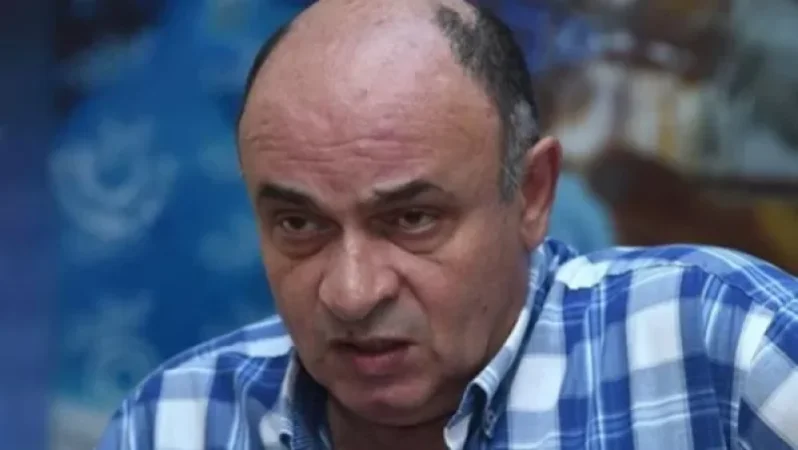
Dividing media into 'black' and 'white' categories raises issues, as the unity of media is a vital guarantee of media and speech freedom. When media is classified as either black or white, this unity dissipates, and actions against any outlet go unaddressed. This was stated by media expert Aghasi Yenokyan in a meeting with journalists.
He recalled that during a conference in Beirut, Armenia's Prime Minister Anna Hakobyan mentioned the issue of financial transparency in the media as a main problem in the media landscape. Yenokyan noted that media outlets present their financial sources in their reports.
“It is presumed that media have such funding that is not included in those reports. I do not know what the authorities wish to do, but I fear there is a danger of silencing media linked to other forms of funding,” he remarked.
Yenokyan believes that transitional justice poses an additional threat to media, as it primarily concerns the redistribution of property. The authorities have repeatedly expressed dissatisfaction with not having enough media under their control.
Aghasi Yenokyan also discussed the new bill on 'Television and Radio,' where he sees risks. “The bill was developed by some NGOs without involving media outlets. You know that television companies are licensed, and under this new bill, multiplexors are licensed first; that is, the structures that provide digital broadcasting for media. It seems there are good intentions and sufficient regulations, yet it turns out that what is being licensed is not the quality, but the finances. Beneath these good intentions lies a serious trap,” Yenokyan emphasized.
According to Aghasi Yenokyan, the new bill requires a mandatory 5 channels for general direction—24-hour news, children’s programming, cultural and educational, entertainment—but the problem is that these 5 must be broadcast by the Public Television Company.
Նմանատիպ հոդվածներ

Ավելին Society բաժնից
Նոր մանրամասներ Ջրաշենի նախկին ղեկավարի ու նրա ծնողների դանակահարության դեպքից
Դանակահարել են Ջրաշենի նախկին վարչական ղեկավարին ու ծնողներին. նրանք ծանր վիճակում են
Կիևյան կամրջի շուրջ նոր ապատեղեկատվություն է տարածվում. պարզաբանում քաղաքապետարանից