Human Rights Defender's Statement on Ijevan Clashes
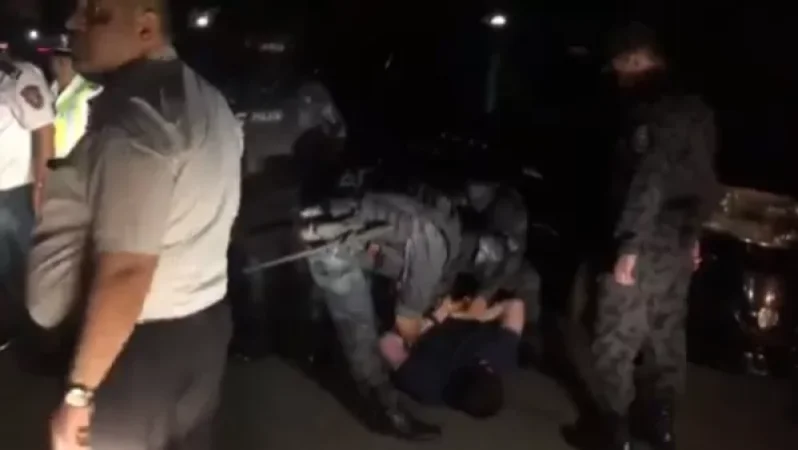
The Public Relations Division of the Human Rights Defender's Office has released a statement regarding clashes between citizens protesting against illegal logging restrictions and police in Ijevan. The statement particularly notes: "The Human Rights Defender of Armenia has summarized the events that took place in Ijevan and subsequent occurrences from a human rights perspective, which primarily boils down to the following.
On July 17, 2019, a group of individuals blocked the intersection where Yerevanyan and Ijevan streets meet along the interstate road between Armenia and Georgia. Following reports of clashes between those blocking the road and police officers, the Human Rights Defender initiated round-the-clock monitoring. According to official explanations, the clashes were triggered by police enforcing a ban on illegal logging.
Immediately after these reports were published, the Defender initiated a discussion procedure on his own initiative. In the evening of July 17, calls were received on the Human Rights Defender's hotline. According to the alerts, people were stuck on the road with their families, including young children, and were unable to reach their necessary destinations, including their residences, due to mobility restrictions.
Those who reported indicated that clashes occurred, resulting in injuries to both civilians and police officers. By the decision of the Defender, a working group was dispatched to the city of Ijevan in Tavush Province on the morning of July 18, 2019. The Human Rights Defender personally discussed all issues with the Governor of Tavush. The working group also held separate meetings with the head of the Tavush regional divisions of the Police and the Investigative Committee.
At the governor's office, private conversations were held with the relatives of those detained or restricted, including their parents.
On the same day, a separate working group from the Human Rights Defender’s office visited the main department for combating organized crime at the police to meet with 19 individuals who had been deprived of their liberty, examining the condition of their rights enforcement. During private conversations, those detained and arrested insisted that police officers had unlawfully detained them and had provided no information regarding the grounds or reasons for their detention, with such information only being provided after reaching the police precinct in Yerevan.
Furthermore, they claimed that the restrictions took place at night while they were asleep with their family members, including children, and that they were taken to the police station almost in their underwear. In several instances, it was mentioned that this occurred in the presence of children, including a child with disabilities, with the detentions accompanied by statements that insulted the dignity of both themselves and their family members. This was also noted by the parents of the detained individuals during their private conversations with them in Ijevan.
According to the detained and arrested individuals, they were only allowed to inform someone of their whereabouts at the organized crime unit in Yerevan. The office of the Defender has been informed that no justification was provided for the delay of this right, and no act was issued. In reality, this right is guaranteed by the Constitution of Armenia and reinforced by safeguards when postponement is necessary.
Additionally, the one-day work of the Human Rights Defender’s representatives revealed that in the police records, the initial moment of deprivation of liberty is recorded not as the moment of the actual detainment, but rather when entering the police precinct, and the time is counted from that moment. For instance, this refers to the legislative possibility of depriving a person of liberty for up to 3 hours. This issue is crucial considering that in this specific case, individuals were being transferred from Ijevan to Yerevan, and that time should also be accounted for in the deprivation of liberty timeframe.
The matter is that according to international law, a person is considered deprived of their liberty from the moment they are compelled to adhere to the will of the police and cannot voluntarily leave their location. Therefore, the time should be calculated from that moment of actual deprivation of liberty, regardless of the type of procedure being conducted (criminal, administrative, or otherwise), or the geographical location of the authority conducting that procedure.
The Defender emphasizes that during their time at the organized crime division of the police, no reports of ill treatment of any of the detained or arrested individuals by police officers were registered. There were no complaints or grievances presented against police officers. Likewise, no issues were recorded at the detention facilities of the police.
The Human Rights Defender finds it necessary to note that the guarantee of the minimum rights of a person during the initial phases of actual deprivation of liberty remains systematically problematic. The reason is the lack of institutional grounds, and the legislation does not contain adequate guarantees for proper regulation.
In other words, this concerns the mechanism of exercising deprivation of liberty, that is, the process of transferring a person from the street or their home to a police station or other law enforcement agency.
This issue is explicitly documented in the reports and communications of the Human Rights Defender. It has also been noted in a relevant ruling by the Constitutional Court of Armenia based on the Defender's petition in 2017.
During their time in Ijevan, the Defender's representatives also visited the medical facility where police officers injured during the clashes on July 17 were being treated. They held private conversations with these officers and thoroughly examined publications on mass media and social media.
Data was recorded indicating that during the clashes, several individuals who had blocked the road used violence against police officers, including throwing pieces of wood or other objects at them. Observations of media publications indicate that derogatory remarks were also made against police officers.
The Human Rights Defender urges all our fellow citizens to bear in mind that throwing wood or any other object at a police officer or insulting them during any gathering, including when expressing grievances about any issue, constitutes prohibited behavior under the law. Such behavior escalates tensions and jeopardizes the peaceful resolution of problems. It contradicts the principle of the rule of law.
The Human Rights Defender considers the efforts and cooperation of the Governor of Tavush during this entire process as significant. Effective collaboration has been established with several members of the National Assembly who are in constant contact with the Human Rights Defender.
The Defender has sent relevant letters to both the police and the Prosecutor's Office, demanding clarifications and raising the issue of investigative procedures, including regarding ill treatment by police officers within the scope of criminal proceedings.
The discussion procedure initiated by the Human Rights Defender’s office continues as required by law.
It is important to remind that clashes occurred on the evening of July 17 in Ijevan between police officers and protesters who blocked the road demanding the authorization of logging, resulting in injuries to both police officers and civilians. A total of 12 police officers were injured and transferred to Ijevan Medical Center, with eight subsequently transferred to Yerevan. Throughout the incident, the police detained 22 individuals, and three others voluntarily presented themselves.
Նմանատիպ հոդվածներ


Ավելին Society բաժնից
Նոր մանրամասներ Ջրաշենի նախկին ղեկավարի ու նրա ծնողների դանակահարության դեպքից
Դանակահարել են Ջրաշենի նախկին վարչական ղեկավարին ու ծնողներին. նրանք ծանր վիճակում են
Կիևյան կամրջի շուրջ նոր ապատեղեկատվություն է տարածվում. պարզաբանում քաղաքապետարանից