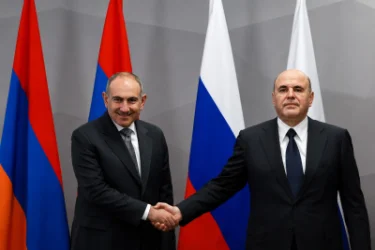
The Card of Yerevan is Iran

The newspaper "Zhamanak" reports: During his visit to Iran, Armenian Deputy Prime Minister Mher Grigoryan met with Iranian President Hassan Rouhani and discussed bilateral, regional, and international issues. Mher Grigoryan visited Iran for the 16th session of the Armenian-Iranian Economic Commission. Concurrently with Grigoryan's visit to Iran, phone conversations were taking place between Armenian Prime Minister Nikol Pashinyan and the presidents of the EAEU countries, with the exception of Putin for now. During these discussions, Pashinyan spoke about the EAEU Summit scheduled for October 1 in Yerevan. Armenia is the presiding country, and the formation of the agenda is, of course, primarily the responsibility of the presiding country. However, does Yerevan seek to include the issue of gas pricing in the agenda, which Pashinyan has repeatedly stated as a priority at the EAEU level? Yerevan's position is that there should be a unified pricing market and mechanism that will allow for equalization of the opportunities and conditions of EAEU countries; otherwise, the common space loses its meaning.
On the other hand, it is undeniable that this would mean the loss of the gas leverage for the Russian Federation over the EAEU countries, including, of course, Armenia. Moreover, the topic is particularly sensitive for Armenia, especially after the Velvet Revolution. In this direction, Yerevan and Moscow have been negotiating for several months. The negotiation is about the gas price, but there is no clarity on where the price will go as a result of the negotiations — up or down — and what the price will be for any direction going forward, so to speak.
From this perspective, Yerevan's card could be Iran if it agrees to supply gas to Armenia at a competitive price compared to Russia, which would allow for confident negotiations with the RF knowing that, in the event of not reaching an agreement on pricing, Armenia would not be left without gas, and Iran would ensure a favorable supply. Yerevan and Tehran touched upon this topic back in February when Nikol Pashinyan visited Iran. There were politically significant statements in this sense; however, it is unclear what practical continuation there is on this matter. In this regard, it is also interesting whether this topic was touched upon during Mher Grigoryan's visit, if not directly in the commission meeting, then at least during the meeting with the Iranian president. Is Tehran ready to support Yerevan's position in the negotiations with Moscow regarding the gas price?
Նմանատիպ հոդվածներ
Ավելին Politics բաժնից
Ամուսնուս վերընտրվելը դիտարկում եմ որպես հնարավորություն` վերանայելու իր առաջնահերթությունները. Աննա Հակոբյանը
Վասիլիս Մարագոսը ԵՄ-Հայաստան գործընկերության մասին
Արդարադատությունն այսօր հասանելի է միայն էլիտաներին. Փաշինյան