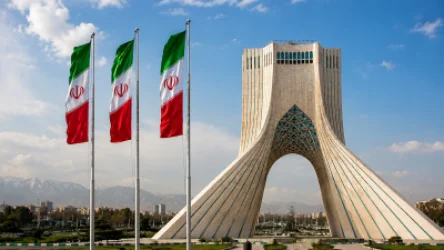
Time to Leave the Trenches: Mikayel Minasyan
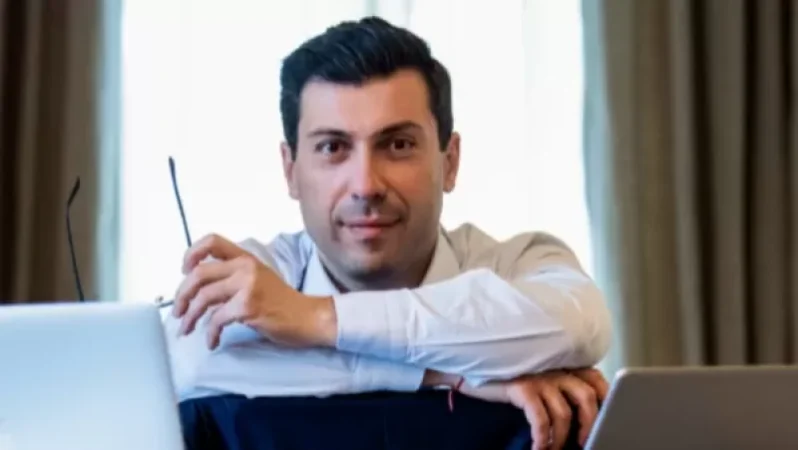
Former Ambassador of Armenia to the Holy See Mikayel Minasyan has published an editorial on www.168.am, which we present in full below.
Armenian women can insult, and how. Perhaps the biggest revelation from social networks over the past year is this. And the conversation is about real Armenian women living in Armenia and abroad. The shocking part is, of course, the level of reciprocal intolerance that makes it impossible to conduct any public discussions today.
This is certainly a global phenomenon and did not begin now; it has gradually gathered momentum. In 2015, the American Pew Institute conducted a survey about whether people could make public statements that might offend other groups. 35 percent of respondents worldwide answered positively. In other words, one in three believes it is normal to write something on social networks, knowing it might offend someone else. Considering the polarizing politics in the world and in our country, it is not surprising that since 2015, the number of such people and the aggressiveness of their posts have increased.
A divided, polarized, and hostile society is predictable on one hand and extremely vulnerable on the other. Societies tend to become hostile, clash, and weaken internally before losing to an external enemy. There are many historical precedents for this, ranging from the Roman Empire to our present day.
To understand what kind of society you are dealing with, study its political complex. In this regard, we have medieval customs:
- In the struggle between power and opposition, the goal is to politically and morally annihilate each other. If you are not insulting your rival, you are not eliminating them, then you are neither a real power nor a real opposition.
- The discourse on relations with the outside world does not go beyond unrealistic dreams or ideas detached from reality. And anyone proposing ideas to advance Armenia's interests immediately becomes pro-Russian, pro-Western, or of some other ilk.
- Regarding the issue of Artsakh, while Azerbaijan is at the border, we’ve dug trenches within ourselves. Parties of peace and war are in the trenches, patriots and traitors, patriots and even more patriotic individuals, traitors and even more traitorous, compromise-seekers and uncompromising.
The society is polarized, and public evaluations are extreme.
- In our country, you are either a hero or a criminal.
- In our country, the government is always right or always wrong.
- In our country, the opposition should be in prison or sellable.
- In our country, your favorite artist is either dead or abroad.
- In our country, an entrepreneur is a benefactor or an oligarch.
About oligarchs. We glorify our compatriots with great wealth outside Armenia, but label domestic producers or businessmen as internal enemies, "sucking the blood of the people." Instead of searching for the most effective mechanisms for social justice, we advocate that not everyone should aim for a good life until everyone is living decently. Like the famous anecdote, when a widow of a participant in the February revolution asks the Bolsheviks what they fight for, they say to have no rich. The widow replies that her husband fought for there to be no poor.
There are many examples, and destructive behavior continues. This is also a public condition—living in hatred, dividing, labeling, and discrediting. After all, we can destroy everyone, make everything equal, remove, empty, and desolate. And? After that? Will we become happier? By the way, according to the happiness index, no. Armenia has always been in the list of unfortunate countries, ranking 116th among 157 countries in recent years.
It is said that humanity’s memory, fortunately, is limited. Perhaps that is so; otherwise, our exhausting and purposeless debates and retrospective confrontations about the past would go further. While groping through our post-independence past, we endlessly oppose one decade to another, leaders to teams, and destroy any previous achievements with particular cruelty and to the end.
So, what is the goal ultimately? What is the purpose of the insults on social networks, the emotional feeding of society, purges and trials, revolutions, reforms, governments, and oppositions? What is all this for? What will it lead to? What is the consequence of removing, dividing, labeling, and discrediting everyone around? Does this lead to a better life for people? If so, then everything is fine. But it is obvious that there is no connection between these steps and this outcome. Meanwhile, people want realizable dreams. People want to live well. And they have always wanted. People aspire to prosperity and look towards the leader that will take them there. Does what has happened or is happening lead to living well, or is it merely purposeless?
This can be continued endlessly. Thus, we build a punitive and aggressive community where everyone lives and works until their turn to be punished or punish comes. Meanwhile, the future society must be encouraging, multiplying the good example, continuing good deeds, and developing good thoughts. There is simply no other way to live well and prosperously.
It is impossible to wage a war of hate, putting each other down and annihilating one another with variable successes, and aspire to live well. The experience of the world shows that only those societies that manage to agree on creating a prosperous future have the opportunity for a prosperous life. The right to live well is only possible to earn in an atmosphere of awareness of common interests, solidarity, mutual trust, and cooperation.
We have a collective choice to make—live in harmony, or fight by destroying everyone and everything, or move forward by correcting mistakes. Today, we have everything necessary—the same mistakes of several generations, their consequences, the chance not to repeat them, the possibility to avoid new mistakes, citizens who are willing, a new generation that can. We just need to take a break one day, take a deep breath, draw a line, and start anew. And it is possible.
Նմանատիպ հոդվածներ
This time even Tsarukyan won't save you: Advice from Tigran Urikhanyan
Corruption Scandal: Deputy Head of 6th Division Continues to Threaten and Demand Bribes
Suspect in the Murder of the Father of March 1 Victim, Sargis Avagyan, Found
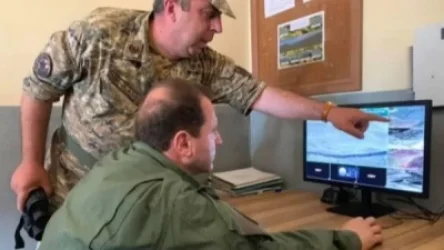
Photos: David Tonoyan Visits a Military Outpost of the Armed Forces
Ավելին Politics բաժնից

ՌԴ ԶՈՒ-ն ամբողջությամբ գրավել է Կոնստանտինովկան. Պեսկով
Փաշինյանն է որոշում, ով՝ ինչ պաշտոն ունենա, այդ թվում՝ ԱԺ-ում. Բադալյան
Որ պետության շահերն ես ներկայացնում․ Շիրազ Մանուկյանը՝ Ռուբեն Ռուբինյանին