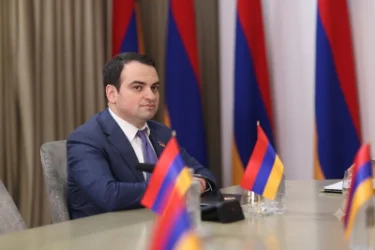
Major Battles Ahead for Armenia: 'Zhamanak'
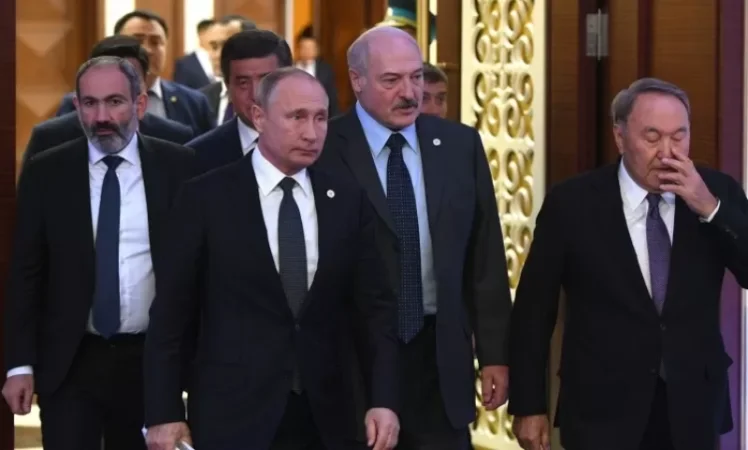
According to the newspaper "Zhamanak", the representative of Belarus, Stanislav Zas, has been nominated for the position of Secretary General of the Collective Security Treaty Organization (CSTO). If approved, his term would begin on January 1, 2020. This resolves the issue of the CSTO Secretary General, which was opened after the Velvet Revolution in Armenia when a criminal case was initiated against Yuri Khachaturov, who had been nominated for the position by Armenia, over the events of March 1, leading Armenia to withdraw its representative. After that, the position of CSTO Secretary General remained vacant, and the known process emerged, which was a confrontation between Armenia and practically all other members of the CSTO, or at least three leading members—Belarus, Russia, and Kazakhstan.
Of course, this confrontation also had other vectors—Belarus-Russia, Belarus, and Kazakhstan against Russia. However, the issue on the table was much simpler: does Armenia retain the quota for the CSTO Secretary General, and is a new representative from Armenia to be appointed, or does the quota pass to Belarus? Belarus and Kazakhstan were evidently leaning towards the second option. Russia was playing a wider and more relative game while Armenia insisted that the quota should be preserved.
It reached the point where Belarus presented Stanislav Zas's candidacy, so to speak, as a separate step, which was accepted by all capitals. Zas received approval after visiting all capitals at the end of the previous year, but Yerevan did not accept him.
At the same time, Nikol Pashinyan repeatedly stated that the fundamental issue for Armenia is not at all the quota for the CSTO Secretary General, but what kind of relationship system will operate in the formal military-political bloc, which in a non-formal sense is absolutely not such, at least in terms of the attitudes of members toward Armenia. Moreover, during this period, Belarus sold long-range missiles—"Polonez" to Azerbaijan.
Thus, the issue of the CSTO Secretary General seems to be resolving, yet the question remains whether the issue of the CSTO's military-political alliance's decency is also resolving.
Many in Armenia see this as a victory or a defeat for Armenia. On one hand, it was a victory because Yerevan did not allow Astana and Minsk to prematurely appoint Zas. On the other hand, a new representative from Armenia was not appointed, and essentially, Moscow won, as the authority to perform duties was transferred to the Deputy Secretary General Semerikov. On the other hand, what did Russia actually gain from these few months of temporary leadership, or who is practically winning in a deeper sense?
For example, what was the fundamental difference for Armenia when Khachaturov was in that position? There was no difference compared to the times of Bordyuzha. The problem is undoubtedly much deeper, and the CSTO's political stance is the aggregate of the political policies of the member states, not the functional work of the CSTO Secretary General. Thus, whether Armenia has a victory or not can only be manifested by the behavioral patterns of the CSTO politics in situations where Armenia’s allied military-political bloc must provide its political support for important security issues for Armenia. From this perspective, Armenia still has neither victory nor defeat. This is a prolonged process that Armenia has articulated since the Velvet Revolution, in which the resistance of the other CSTO members is evident—not regarding the Secretary General but in terms of political guidance and behavior.
For Armenia, it is very important to maintain positions and principled questions. At the same time, the CSTO issue gains a key significance amidst the recent political developments in Armenia, which Prime Minister Pashinyan outlined in his speech, hinting at the risks or at least aspirations of a "traitorous war" that, according to him, certain groups from the former government may have.
More details in today’s issue of the newspaper.
Նմանատիպ հոդվածներ
This is an assassination attempt: Vardan Ghukasyan on the incident involving his nephew at Artik Penitentiary
‘Zhamanak’: Participants Swore to Overthrow Pashinyan's Government During Meeting
VIDEO: Prime Minister Nikol Pashinyan's Exclusive Interview with RBK
Are Charges Against Sanasaryan Based on Your Testimony? Question to Torosyan
Ավելին Politics բաժնից
Սլովակիայում Ֆիցոյին ցմահ վճարումներից զրկելու հանրաքվե է սկսվել
Ղալիբաֆը կոշտ պատասխան է տվել Թրամփի հայտարարությանը
Թրամփը 11 հոգու ներում է շնորհել