This Position of the Armenian Prime Minister Went Unanswered by Azerbaijan

“Zhamanak” newspaper writes: “Since the political changes in Armenia in April-May 2018, the general situation and events concerning the resolution of the Nagorno-Karabakh issue and developments in the conflict zone have been marked by wave-like fluctuations.
In the past month, following the meeting between Prime Minister Pashinyan and President Aliyev in Vienna, and particularly after the known statement by Armenia's Defense Minister David Tonoyan, the war rhetoric between Yerevan and Baku began to intensify. In recent days, the political tension has transformed into military tension along the line of contact between the Armenian and Azerbaijani opposing forces. Unfortunately, while this is disheartening, it is nonetheless a rather predictable development that we have discussed extensively in our previous analyses.
However, the issue is that certain opposition forces in Armenia, particularly representatives of the Republican Party, which formed the core of the former regime, are blaming the current government, especially Prime Minister Nikol Pashinyan, for this tension and for the wounding of an Armenian soldier at the border.
During the Velvet Revolution, despite some experts' predictions, the Azerbaijani side did not try to exploit Armenia's internal political instability. After Nikol Pashinyan was elected Prime Minister, particularly in the summer months, the Armenian-Azerbaijani confrontation began to escalate at the political level. Pashinyan and Aliyev exchanged sharp statements. Aliyev criticized the new Armenian leader’s approaches to resolving the Nagorno-Karabakh issue, particularly the stance that Baku should negotiate directly with official Stepanakert. Pashinyan criticized Aliyev for escalating and manipulating the Nagorno-Karabakh conflict for domestic political purposes.
This tension peaked in mid-September. During those days, Prime Minister Pashinyan's son was already serving on the front lines in Artsakh. The new leader of Armenia explained in interviews with international media that this was a peaceful step on his part because he understood that “if I am sending my son to Karabakh, then I do not want a war to break out there.”
Meanwhile, Aliyev's younger son was conscripted into military service in September at a military unit in Baku, not along the Armenian-Azerbaijani line of contact, and military rhetoric was almost absent. This was the longest period of peace between Armenia and Azerbaijan in recent years. During this time, a certain diplomatic-political process was underway at the level of the leaders and foreign ministers of Armenia and Azerbaijan, but these semi-official negotiations and discussions yielded no tangible results. On the contrary, they made the deep contradictions between Yerevan and Baku regarding the negotiation format and substantive issues relating to the resolution of the conflict more evident.
Pashinyan has repeatedly stated from various podiums that in his view, the resolution of the Nagorno-Karabakh issue must be acceptable to the peoples of Azerbaijan, Artsakh, and Armenia, and this formulation is what will make it possible to achieve a peaceful resolution of the Nagorno-Karabakh issue, yet this position of the Armenian Prime Minister went unanswered by Azerbaijan. Baku continued to insist on its maximalist approaches, rejecting offers to directly dialogue with the Nagorno-Karabakh side and stating that they could at most grant Nagorno-Karabakh an autonomous status within Azerbaijan's borders. Soon it became clear that the warming phase in Dushanbe was coming to an end, and preparations must begin for new political and military escalations.”
Read the full article in today’s issue of the newspaper.
Նմանատիպ հոդվածներ
Ավելին Politics բաժնից
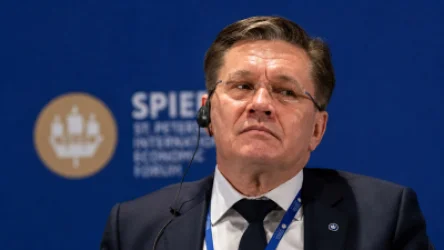
Վաշինգտոնից ճնշում կա, բայց փակ հանդիպումներում դիրքորոշումն այլ է․ «Ռոսատոմ»-ի ղեկավար
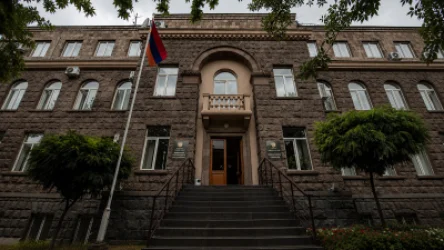
ԿԸՀ-ի պարզաբանումը ՍԴ-ում․ 17 հազար անվավեր քվեաթերթիկի պատճառները չեն վիճակագրվել
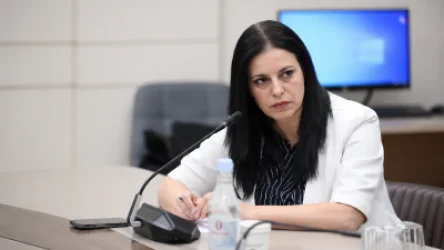
ՔԿ-ն և ԱԱԾ-ն սարսափելի արարք են կատարել Անդրանիկ Թևանյանի գործով․ Արեգնազ Մանուկյան