Armenia's External Debt Decreases by $58.8 Million in Two Months
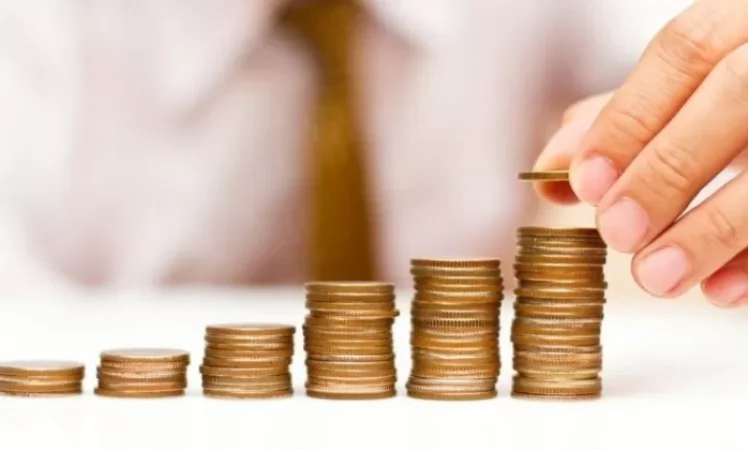
In the period from January to March 2019, Armenia's external debt decreased by $58.8 million. According to the National Statistical Committee of Armenia, as of January 31, 2019, Armenia's external debt amounted to $5.547 billion, while by March 31, it decreased to $5.488 billion.
Previously, Reuters reported that Armenia has been among the most vulnerable countries regarding external debt refinancing risks due to high debt and low reserves of the national currency. It was noted that in 2020, Armenia would need to repay half a billion dollars in debt, which accounts for 3.9% of the country's GDP. This information was provided by Haykakan Zhamanak.
The media outlet reminds us: "Months ago, the Armenian Ministry of Finance presented the '2019 Loan Program,' which stated that this year Armenia's external debt would increase by $490 million."
Atom Janjughazyan, the acting Minister of Finance, informed journalists about how the government plans to manage external debt. "If we have a state budget that has a deficit, what source of financing do we envision for that deficit? Borrowed funds," said Janjughazyan.
In response to a remark that politicians claim that "by giving oligarchs a good shake, such funds could be found," the acting minister responded, "Shake as much as you want; we do not intend to use tax revenues to repay the debt."
According to Atom Janjughazyan, the best option for managing Armenia's external debt would be for the economy to grow faster than the external debt.
At the same time, the government plans to collect about $90 million more in taxes this year compared to the previous year. A main source of tax revenue is expected to be the reduction of the "shadow" economy.
Over the last ten years, Armenia's state debt has increased nearly fourfold; in 2008, it was only $1.9 billion.
The Minister of Finance believes that the need for new debts will continue as long as there is a budget deficit, which this year is about $300 million. The total budget is $3 billion.
A significant amount will be allocated this year to military expenditures, which will increase by 25%. According to the Ministry of Finance, this amount will also be supplemented by a new loan expected from Russia, specifically a loan of $100 million within the frameworks of a military-technical assistance program.
The government forecasts a 4.9% economic growth for 2019. The involvement of debt resources is currently not problematic, thanks in part to the ongoing high pace of economic activity, which is around 6.5% in the first quarter of this year. On the other hand, the government is conducting a rather stringent fight against corruption and has initiated a sharp reduction in expenditures within the public administration due to government optimization.
Measures are also being taken to improve the economic environment by dismantling monopolies and eliminating barriers to entry for other businesses in various sectors. In other words, on one hand, the economic environment is improving, the shadow economy is being reduced, corruption is being diminished, along with corrupt fees, while on the other hand, the effectiveness of public expenditures is being enhanced.
For more details, visit the source website.
Նմանատիպ հոդվածներ
Ավելին Politics բաժնից
ԱԺ-ում ներկայացված կլինեն երեք խմբակցություն. Հովակիմյանի հայտարարությունը
5 քաղաքական ուժերը հայտարարություն են տարածել

Զելենսկիի շնորհավորական ուղերձն` Թրամփին