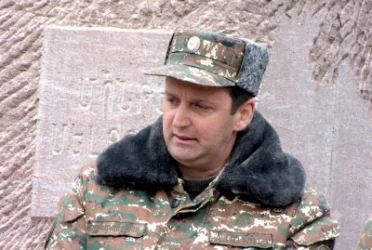
Tigran Sargsyan's Fortune Star Continues to Shine: 'Iravunk'

During these days, the Armenian public was once again graced with the 'fortune' of seeing Tigran Sargsyan. Immediately, discussions erupted about what fortunate star the chairman of the Eurasian Economic Commission's council, in other words, the highest-ranking official, was born under.
We mean the following: Nikol Pashinyan talks non-stop about fighting corruption and the imperative to return the money stolen from the people during the decades of previous 'criminal regimes.' Yet, Tigran Sargsyan is one of the few acting officials in Armenia who has held high positions under all past governments. It seemed that he could become a representative figure in punishing the past officials, especially since Pashinyan has leveled serious accusations against him over the years in several specific cases. But...
First, let us recall who Tigran Sargsyan was before the 'revolution.'
The former Prime Minister's vibrant work character began to take shape back in the early days of the Republic of Armenia. At that time, he was a 'regular' deputy and even chose a 'faulty position' by appearing in the opposition faction of the National Unity Party, but even that did not prevent him from demonstrating his 'proper conduct.' In parliament, T. Sargsyan was the chairman of the committee on finance and credit issues. It was not a top position, but he co-chaired a government commission dealing with monetary circulation regulations alongside Central Bank Chairman Isahak Isahakyan and Finance Minister Levon Barkhudaryan. It was through this body's work that the foundations were created upon which the Armenian dram was put into circulation on October 13, 1993.
Indeed, creating a new currency could be considered a significant achievement for any financier. However, the methods and mechanisms through which the dram was introduced became one of the first major blows leading the Armenian population to their current dire reality. Let us recall that the exchange rate at which the transition from the ruble to the dram occurred shattered people's years of savings overnight, turning many into de facto beggars. Perhaps even that transitional exchange rate could have been bearable if, from the moment of introduction, the Armenian dram had not started a steep decline at an increasingly alarming pace. It is worth noting that the initial exchange rate of 1 dollar to 14 drams later saw the dollar consistently climbing past the thresholds of 200, 300, and 400 drams within a matter of months.
Read the full article in today's newspaper.
Նմանատիպ հոդվածներ
Ավելին Politics բաժնից

Լեհաստանը կոշտ ուղերձ է հղել Կիևին
ՁԱՅՆԳՐՈՒԹՅՈՒՆ․ «Տղեքն ասին՝ Գեղամ եկար, թափով մի ամսվա մեջ տներդ էլ կսարքես, բլում ա տները»

Այսօր Սերժ Սարգսյանի ծննդյան օրն է․ Արմեն Աշոտյանը ՔԿՀ-ից շնորհավորել է նրան