Textbooks Will Become Two Volumes: Ministry of Education
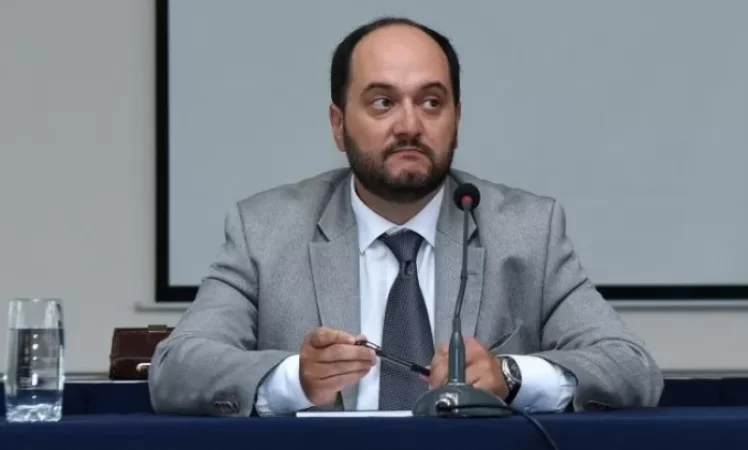
"We have educational standards that are essentially not bad. Sometimes programs and textbooks have been written without adhering to the requirements of these standards, leading to numerous problems. We need to understand what kind of student we want to have as a result of the educational process. I have said this many times, and I repeat it now: we want to have a student who has an independent mindset, who is critical and analytical, and who will be a citizen of our future," announced the Minister of Education and Science of Armenia, Arayik Harutyunyan, during a discussion on the topic "The Prospects of Modern Educational Development," organized by the New Technology Education Fund at the Margaryan Club.
The minister stated that the ministry is currently preparing new educational standards, which, based on previous standards, will also offer innovations, and new programs and textbooks will be formed on that basis. According to Minister Harutyunyan, all this work will be completed by 2023: "We have had a poor system for teacher training. The trainings have sometimes been formal in nature, and now our task is to pay serious attention to this issue and to conduct trainings at the proper level. Innovations in teaching have also been inaccessible to us due to objective reasons. The relationships in the educational system must also change; all parties involved in the educational process need to clearly understand their rights and responsibilities. For example, when the draft code of ethics for teachers was published, there was a universal dissatisfaction. But in my assessment, these discontents were subjective; one didn't like the past of the authors of that document, another complained that the regulations were published before the salary increase... There was no substantive discussion on the rules of teacher ethics, even though that document was published as a draft and was supposed to be discussed for improvement," stated Arayik Harutyunyan.
According to the minister, parents should also realize their rights and responsibilities: "I have the impression that sometimes we want to shift the burden of parental responsibilities onto the teacher. We are now preparing a new version of the contract that parents must conclude with the school. The new contract will be ready by September and will be offered to parents."
Describing the educational system's need for reform, the minister emphasized that before starting the development of strategic long-term programs, it is necessary to assess the current situation: "It's difficult to move forward when there's a swamp under your feet. Currently, a process of drying out the swamp is occurring within the system, after which we will begin developing a long-term development program. The impact of the strategic program of 2011-2015 on our educational system has been zero. I do not believe that the development of a similar new program will benefit the educational system," stated the minister, responding to education expert Serob Khachatryan's observation that a forward-looking program for educational development has not been approved for several years.
Addressing the reform of the National Institute of Education and the substantive reform of the Pedagogical University, the Minister of Education stated that these questions have been discussed many times before: "They have talked, but haven’t acted because there was no political will. These are very complex reforms, but we will carry them out. It is difficult because these reforms affect everyone. Change is required, and it does not only concern the teacher. It concerns everyone," remarked Arayik Harutyunyan, asserting that we cannot impose methods on 21st-century students without taking into account their preferences.
Speaking about upcoming programs, the minister noted that by 2023, the aim is to ensure that up to 70 percent of children are included in kindergartens, in line with the government program: "People complain that the textbooks are heavy. We have found a solution: textbooks will become two volumes, so that the student will attend school with one textbook in the first semester and the other in the second. This will lighten the backpacks by two times," said A. Harutyunyan.
Also participating in the discussion were the Vice-Chairman of the National Assembly’s Committee on Science, Education, Culture, Diaspora, Youth and Sports, Hovhannes Hovhannisyan, education expert Serob Khachatryan, and the director of Ayb School, Aram Pakhchanyan. School directors, teachers, and education sector specialists were present.
Նմանատիպ հոդվածներ


Ավելին Society բաժնից
Հայ թենիսիստուհիները փայլեցին Համբուրգում․ Նրանցից երկուսը դուրս եկան 1/8 եզրափակիչ
Գարիկ Սարգսյանը լքում է Վեդիի ղեկավարի պաշտոնը՝ ԱԺ պատգամավոր դառնալու համար
Հուլիսի 21-ին զինծառայող է մահացել․ ՔԿ-ն քրեական վարույթ է նախաձեռնել