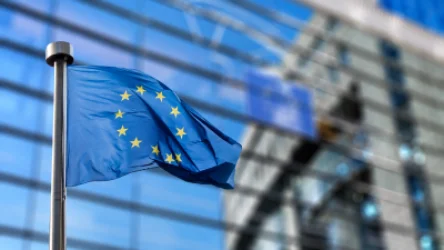
There is Strong Political Will to Fight Corruption in Armenia, Says Piotr Switalski

The European Union will continue to implement various programs in Armenia. The developed programs are mainly carried out in Armenia's three northern regions: Shirak, Lori, and Tavush. They are diverse and include areas such as tourism, information, agriculture, and several others. The EU will also assist the Armenian government in implementing anti-corruption programs. This was stated by the EU Ambassador to Armenia, Piotr Switalski, during a press briefing in Gyumri.
The European Union has signed a so-called 'framework' agreement with the Armenian government. This agreement outlines the main directions in which the EU should provide support to Armenia, and at some point, we will specify the specific programs that we will implement in cooperation with the Armenian government in the country’s three northern regions. I hope that good ideas and solid projects will be presented,’ said the ambassador, emphasizing the importance of creative projects presented by the residents of these regions.
The majority of funds provided by the European Union will be directed towards financing business ideas, particularly for implementing small business projects. 'Therefore, we expect all involved parties to present good ideas. This is not just about tourism and agriculture; we have also initiated funding for other sectors, such as creative industries and culture. At the same time, we will continue to implement the projects we have started, such as ski and wool processing center projects,' noted the EU ambassador in Armenia.
The European Union will also continue to support Armenia in implementing anti-corruption programs. 'We will provide support in this direction, considering that the Armenian government has already approved its action plan, which includes joint steps, one of which involves the establishment of an anti-corruption body in Armenia. We are convinced that in the new Armenia, there is strong political will to fight corruption. However, this initiative certainly requires support from the public, as well as the presence of institutional and legislative structures,' Switalski emphasized.
Նմանատիպ հոդվածներ
Ավելին Politics բաժնից
Վաշինգտոնից ճնշում կա, բայց փակ հանդիպումներում դիրքորոշումն այլ է․ «Ռոսատոմ»-ի ղեկավար
ԿԸՀ-ի պարզաբանումը ՍԴ-ում․ 17 հազար անվավեր քվեաթերթիկի պատճառները չեն վիճակագրվել
ՔԿ-ն և ԱԱԾ-ն սարսափելի արարք են կատարել Անդրանիկ Թևանյանի գործով․ Արեգնազ Մանուկյան