Death from H1N1 Recorded in Armenia: How to Avoid Infection

According to daily monitoring data, as of February 4, the situation regarding acute respiratory infections continues to stabilize. The number of visits to outpatient-polyclinic organizations has decreased to 1,275. Hospitalizations are also stabilizing, with 781 patients currently hospitalized, of which 92.8% are children.
As of today, 81 patients have been discharged due to acute respiratory infections. Stable conditions are also observed in emergency calls related to acute respiratory infections, with 89 calls logged. Laboratory research results indicate that the H1N1 and H3N2 subtypes of influenza A are circulating in the republic. The implementation of the 'epidemiological filter' continues in schools and kindergartens. Data presented indicates that the number of children attending educational institutions with acute respiratory infections is also decreasing.
As of February 4, 120 children (51 from Yerevan and 69 from the regions) have been identified with acute respiratory complaints and sent home. Despite the stabilization of the situation, there are still severe patients in the republic's hospitals, whose clinical conditions are exacerbated by delays in seeking medical assistance and comorbidities. Unfortunately, there has been a reported death over the last two days. The individual tested positive for influenza A. The final outcome of the death will be confirmed after forensic examination.
Taking into account the current seasonal situation regarding influenza and acute respiratory infections, as well as to prevent influenza and post-influenza complications, the Ministry of Health once again urges and reminds:
- Do not use antibiotics and do not give them to your children without a doctor's prescription, as they are not indicated for the treatment of influenza; avoid contact with individuals showing flu-like symptoms.
- If you are ill, stay home and do not go to work. If your child is ill, do not allow them to attend school or kindergarten.
- If you or your child are ill, call your local pediatrician, therapist, or family doctor, and do not attempt self-medication.
- Dress appropriately for the weather—ensure your children are dressed accordingly.
- Practice and teach your children proper coughing and sneezing etiquette.
- Drink plenty of fluids.
- Ensure regular ventilation of closed spaces.
- Keep track of your and your children’s personal hygiene—wash hands frequently with warm water and soap.
- It is recommended that children aged 0-5, pregnant women, individuals suffering from chronic illnesses, and the elderly get vaccinated against influenza.
Նմանատիպ հոդվածներ

After Meeting with Pashinyan, Ananyan to Reduce Price of New Generation POS Terminals by 100,000 Dram and Remove Monopoly
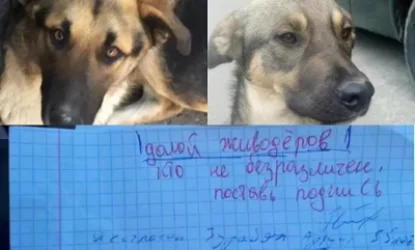
6th Grade Students Organize Petition to Save Classmate's Beloved Dog
I must be present at your judgment. Former school principal to Ashotyan

Girls in Armenia to Receive Free Pilot Training Opportunities
Ավելին Society բաժնից

Հայ թենիսիստուհիները փայլեցին Համբուրգում․ Նրանցից երկուսը դուրս եկան 1/8 եզրափակիչ

Գարիկ Սարգսյանը լքում է Վեդիի ղեկավարի պաշտոնը՝ ԱԺ պատգամավոր դառնալու համար
Հուլիսի 21-ին զինծառայող է մահացել․ ՔԿ-ն քրեական վարույթ է նախաձեռնել