Who is to Blame for Mher Yeghiazaryan's Death? Artak Zeynalyan Clarifies
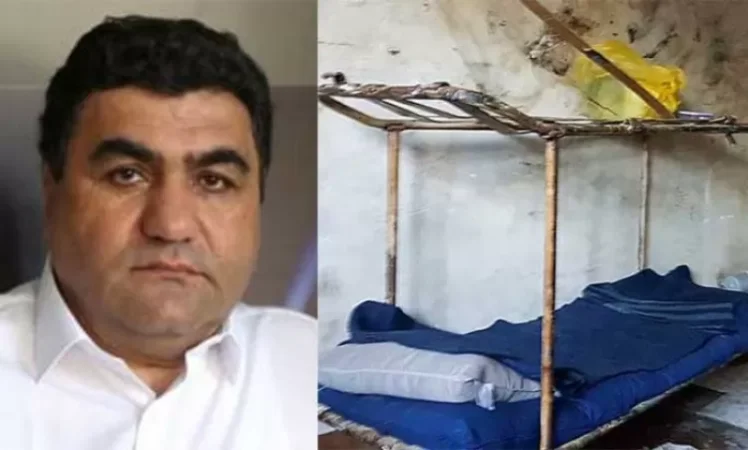
The Minister of Justice, Artak Zeynalyan, has addressed the circumstances surrounding the death of Mher Yeghiazaryan on his Facebook page. He noted that he is responding to the incident belatedly as he sought to clarify some important aspects beforehand.
In his Facebook post, he wrote: "Dear friends, respected followers,
I learned about Mher Yeghiazaryan's death, his sudden passing, on 26.01.2019, early in the morning. I am saddened and regretful. I mourn every individual who has left this life—regardless of the reasons and circumstances, without discrimination.
I extend my condolences once again to Mher's family members, relatives, and all those whom Mher's death has caused pain to.
Two days later, I am providing explanations to you, as certain circumstances needed clarification. Without them, my dialogue would not be complete, and during that time, my views, positions, and expressions as the Minister of Justice could have influenced questions needing clarification or may have created the impression that they had an influence.
Dear ones,
Mher declared a hunger strike on 04.12.2018, during the phase of his arrest, as a protest against the criminal case initiated against him. Thus, on December 5, when he was transferred from the NSS facility for detainees to the Ministry of Justice's "Nubarashen" penitentiary institution, he was already on hunger strike and remained in a specially designated area for that purpose until January 17—the day he ceased the hunger strike (until his transfer to the hospital wing).
Assess for yourself how diligent the state bodies and officials were. After declaring a hunger strike, work was carried out with Mher by the senior health worker of the penitentiary and the social/psychological work department.
The first screening by specialists was conducted less than 24 hours after moving to "Nubarashen" on 06.12.2018 (Mher had been admitted to the penitentiary after the end of the workday on December 5). In order to resolve the declared hunger strike and the issue through legal means, the staff of the department conducted daily screenings and performed consultative and explanatory work. From December 6 to January 17, the facility's two psychologists conducted 35 screenings, and a lawyer conducted 4. On January 23, a screening was also done by the head of the group servicing the penitentiary's stationary unit.
During Mher Yeghiazaryan's hunger strike, he underwent medical examinations as necessary and was under constant medical supervision. The doctor presented Mher with the risks of deteriorating health due to refusing food and the steps that must be taken to prevent the deterioration of his health condition during the hunger strike.
Incidentally, according to international legal norms, no pressure should be applied to an individual conducting a hunger strike to terminate it. The penitentiary staff, without violating the limits of "pressure," engaged in daily work with Mher aimed at persuading him to stop the hunger strike.
On 17.01.2019, Mher ended his hunger strike and, while in prison, was under the supervision of medical personnel. As you already know, about ten days after ending the hunger strike, Mher's health suddenly deteriorated, and the emergency medical team determined his death. The Investigative Committee, as you are aware, published the results of the forensic study: the death occurred due to a heart attack.
Let me present a few additional data regarding the medical assistance provided to Mher by the penitentiary:
- On 18.12.2018, he was examined by a psychiatrist.
- On 24.12.2018, due to Mher's worsening health condition, an ambulance was called at 17:25, and the medical team arriving at 17:40 took him to "Erebuni" Medical Center by 18:45. A sonographic examination of the abdominal organs was carried out, and no pathological changes were detected.
- On 09.01.2019, again due to worsening health, an ambulance was called at 16:40. The medical team arrived by 17:15 and took Mher to "Erebuni" Medical Center by 17:40. A sonographic examination, electrocardiography, and x-ray of the abdominal organs were done; no pathological changes were found.
- On 22.01.2019, he was seen by a therapist, who noted general weakness and suggested continuing observation under stationary conditions in the facility.
- On 25.01.2019, he was again examined by a psychiatrist, and everything was within normal limits—his consciousness was clear, and his orientation was correct.
I believe that the penitentiary service did everything possible during and after Mher's hunger strike to prevent and minimize threats to his life and health, organizing both monitoring and medical assistance in the penitentiary and in civilian health facilities. Mher's family members and his lawyer were also satisfied with the actions and treatment of the penitentiary and its staff.
Each case of death recorded in penitentiaries is unfortunate for us—without exception, regardless of what caused or resulted in the death. The improvement of health services in prisons is on my agenda and under daily attention.
Once again, the Ministry of Justice has no connection with the reasons or grounds for individual detention, and it inherently must not have one. The Ministry is responsible for executing the court's decision.
Նմանատիպ հոդվածներ



Ավելին Politics բաժնից

Թրամփը ցանկանում է ՖԻՖԱ-ի նախագահին տեսնել ՄԱԿ-ի գլխավոր քարտուղարի պաշտոնում

ՔՊ-ի պատգամավորների վերջնական ցանկը հայտնի է․ ովքեր կմտնեն 9-րդ գումարման ԱԺ
Զելենսկին պաշտոնանկ արեց Սիրսկուն, Ուկրաինայի ԶՈւ-ն նոր գլխավոր հրամանատար ունի․ ով է նա