Income Tax Flattening Detracts from the Poor, Says Nairi Sargsyan

At the end of last year, the Ministry of Finance presented to the public a draft for amending the Tax Code. The proposed changes, which are yet to be discussed in the National Assembly, include a flattening of the income tax, an increase in excise tax on several goods, a reduction in corporate tax, and an increase in taxes in the gambling sector, among others. This draft has drawn both positive and negative evaluations from the public and professional circles.
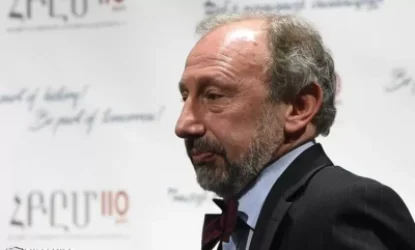
Regarding the proposed tax changes, Hetq interviewed Nairi Sargsyan, the President of the Chamber of Auditors.
- The authors of the draft call this a package of reforms. Do you believe that these changes are indeed reforms? Let's talk about income tax as an example. If a 23% income tax is set for everyone (with the prospect of future reduction), it turns out that the income tax for those earning up to 150,000 drams does not decrease, while it does decrease for those earning more than this amount. Consequently, only 35% of wage workers see a reduction in their income tax burden.
- This package of changes cannot be considered a reform package at all. As an expected outcome of the changes, the Ministry of Finance has presented the reduction of poverty. This means that these changes should contribute to reducing poverty. I have always emphasized – who is poorer at the moment, someone earning 150,000 drams or someone earning over 2 million drams? The answer is obvious. It is not acceptable to reduce the taxes for someone earning 2 million drams while not reducing it for those earning 150,000 drams and furthermore increasing their expenses due to higher excise taxes on certain goods, and then claiming these changes will lead to a reduction in poverty. There is no clear justification for this.
- Have you done calculations and do you have suggestions on what rates could be set to achieve an effective income tax model?
- We propose taxing income up to 400,000 drams at 15-20%, and setting higher rates, starting from 30%, for earnings above this threshold. Alternatively, we could exempt income tax for salaries equal to the minimum consumer basket and implement a three-tier system thereafter.
- Would this not result in losses for the state budget? If so, how do you propose to compensate for those losses?
- We can adjust the income tax rates in a progressive manner such that they would self-compensate for any losses incurred. And if the losses are not fully compensated, we can also make adjustments to the excise tax.
- The package proposed by the Ministry of Finance suggests compensating for the loss of budget revenue resulting from the flattening of income tax, which is expected to be around 27.5 billion drams per year, by increasing certain tax types, such as excise taxes. How effective do you consider this step?
- I am not against increasing excise taxes or broadening the base, but it needs to be done on just principles. The justification for increasing excise taxes on alcoholic beverages and tobacco products is that if citizens recognize them as harmful to their health but continue to purchase them, higher prices should be set to reduce consumption, benefiting the state in the process. In other words, this is also somewhat a policy aimed at limiting smoking and the use of alcoholic beverages. However, the increase of the excise tax on lemonade, for instance, is incomprehensible, as it will also become more expensive. Experts might argue that these seemingly harmless beverages also harm health, which is clear. But these products should not be included among the goods subject to excise tax at all. Additionally, while the income tax for those earning 150,000 drams does not decrease, their expenses effectively increase due to the rise in product prices from the excise tax hikes. The person earns the same income, their tax does not change, but their expenses increase because the prices of the goods they also use rise as a result of the wealthy’s tax reductions. Thus, the flatting of tax burdens occurs at the expense of the poor.
- There are plans to reduce corporate tax from 20% to 18%. How much will this alleviate the tax burden on businesses?
- In summarizing the results of 2018, business entities must present their reports for the first time regarding the taxation of dividends. They will first feel the tax burden of the dividend this year when distributing the profits of 2018. So far, the corporate tax rate has been 20% for all businesses. The Ministry of Finance presents this positively now, saying they are reducing it from 20% to 18%. But in reality, the tax burden of corporate tax is not decreased. In other words, while the 20% becomes 18%, an additional 5% tax on dividends is added. In total, it turns out that what was previously 20% will become 23%. Around the world, laws are often circumvented to avoid paying dividend tax. Dividend is the portion of a company’s annual profit that shareholders receive. The shareholder decides whether they want to take that profit or not. They might accumulate funds for five years and take it all at once in the end. Today, dividends are taxed only when they are paid out to the shareholders; it is during that process that they are taxed. But there are experiences in the world where people find companies that either are not taxed or are taxed at low rates, such as micro-enterprises, and transfer funds there. In other words, shareholders can make arrangements to avoid paying dividend taxes. Consequently, this change is ineffective. There is definitely room for maneuvering.
Continue reading at the source website.
Նմանատիպ հոդվածներ



Ավելին Society բաժնից

Նիկոլ Փաշինյանը կոչով դիմել է ՀՀ քաղաքացիներին

Հունիսի 1-ին ՆԳՆ-ն երեխաներին հրավիրում է մեծ տոնախմբության․ անակնկալներ, շոուներ և նվերներ

ՏԵՍԱՆՅՈՒԹ․ Հրկիզված մեքենաներ, թալանված խանութներ․ Փարիզում զանգվածային անկարգություններ են