Kremlin Attacks Armenia: Euronews Coverage
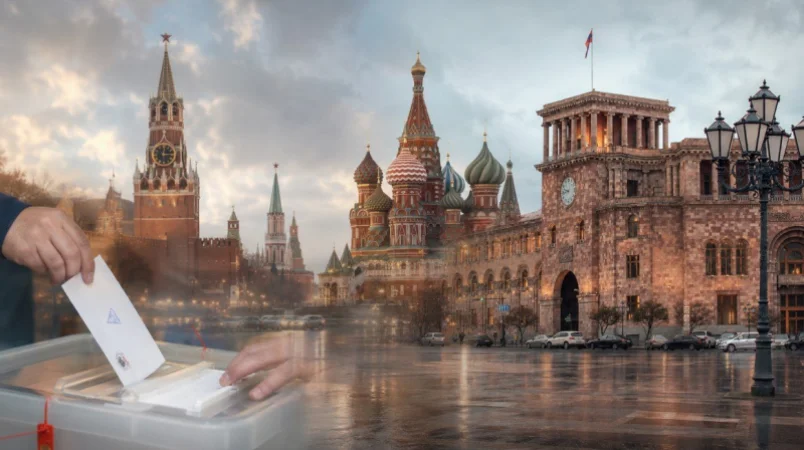
Ahead of the June parliamentary elections, Russia has initiated a large-scale disinformation campaign against Armenia. "Kub" investigates its objectives and methods, as reported by Euronews.
In early May, 343 fake videos were discovered. Analysts believe this is one of the largest such operations in recent years, surpassed only by the 2025 campaign to interfere in Moldova's elections.
According to researchers, the operation began in early March within the framework of the "Matryoshka" network, a Kremlin-backed disinformation campaign that actively employs artificial intelligence tools.
Many of the fake videos promote the thesis that the victory of Prime Minister Nikol Pashinyan, who is running a pro-European campaign, could lead to war between Armenia and Russia.
The Antibot4Navalny collective, which investigates bot networks, reported finding more than ten fake clips featuring Pashinyan and French President Emmanuel Macron. They repeat false claims about a "secret deal" between the two leaders, suggesting that France supports Pashinyan in the elections in exchange for a promise to initiate war against Russia after his victory.
For instance, one fake video from May 11 claims that Pashinyan's press secretary confirmed the presence of NATO instructors in Armenia and that the Prime Minister allegedly intends to "provoke military conflict against Russia" after the parliamentary elections.
Researchers emphasize that these fake videos are only part of the campaign. They state that bot networks are also actively spreading false messages on social media, including on X, apparently trying to undermine Pashinyan's position.
Furthermore, no evidence has been presented to substantiate such accusations. Analysts also note that despite some publications gathering tens of thousands of views, much of this activity is likely artificially inflated.
The Goal of the Campaign
The pre-election campaign occurs against the backdrop of a noticeable rapprochement between Armenia and the European Union. A key moment was the first EU-Armenia summit held in early May.
The event was attended by several high-ranking European leaders, including European Commission President Ursula von der Leyen, European Council President Charles Michel, and French President Emmanuel Macron. At the conclusion of the meeting, the parties reaffirmed their intention to deepen bilateral cooperation.
"Today's EU-Armenia summit is a clear signal of the EU's commitment to deepen relations with Armenia and expand cooperation in new areas, bringing Armenia and its citizens closer to the EU," said Michel.
During the summit, Pashinyan noted that Armenia is entering a "new phase of peace and strengthening democratic systems," which he said creates favorable conditions for further development of relations with the EU.
Two months after the start of the disinformation campaign and just days after the EU-Armenia summit, Russian President Vladimir Putin drew parallels between Armenia and Ukraine during a press conference on Victory Day in Moscow. He warned that Armenia's aspirations for closer integration with the European Union could lead to consequences similar to those in Ukraine.
"We all feel the consequences of the situation that has developed in Ukraine now. Where did it all begin? From Ukraine's attempts to join, more precisely, attempts to join the EU. That was the first step, the very first," said Putin.
According to him, the subsequent political upheavals and war are a consequence of that course, which he described as a "serious problem." On March 26, 2025, the Armenian parliament approved with a majority of votes the launch of the process for EU membership. The initiative was promoted by Pashinyan's Civil Contract party.
Meanwhile, Moscow has repeatedly accused Western countries of interfering in Armenia's internal affairs. Back in January, Russian authorities claimed that the EU was allegedly pushing Armenia's leadership to falsify parliamentary elections.
On January 20, Russian Foreign Minister Sergey Lavrov characterized the EU's promised financial support to Armenia by EU's High Representative Josep Borrell as both an "honest confession" and an "acceptance of guilt." This rhetoric had already been heard during the recent elections in Moldova, which resulted in a victory for pro-European forces.
Matryoshka and Storm-1516
In addition to the Matryoshka campaign related to the elections, researchers have noted the activity of another Kremlin-backed network, Storm-1516. According to data from the Media Forensics Lab at Clemson University (South Carolina), this campaign is also aimed at discrediting Pashinyan.
The German BND foreign intelligence and the French agency Viginum, which monitors disinformation operations, describe Storm-1516 as a Russian network of informational manipulation that employs systematic campaigns to destabilize democratic institutions.
According to the Clemson study, the network has been operational at least since January. It spreads false statements about Pashinyan's electoral promises and allegations that he allegedly used $11 million (9.5 million euros) allocated for digitization from the Eurasian Economic Union to secretly fund his campaign.
Ella Muri, a digital influence analyst at Clemson University, stated that the methods of Storm-1516 in Armenia show that the network continues to evolve. "In particular, they have expanded their networks of influencers and fake marketing bots," she noted. "In addition, they have started using accounts that present themselves as local users but are connected to specific countries." Muri believes that the interest of Russian disinformation campaigns in Armenia is driven by the same reasons as their interference in Moldova and Hungary's elections: discrediting pro-Western politicians and seeking to restore Moscow's influence in the region.
Նմանատիպ հոդվածներ
Ավելին Politics բաժնից
ՌԴ ՊՆ-ն հայտնել է Կիևի և Օդեսայի ռազմական օբյեկտներին հարվածելու մասին
Հերքում եմ՝ Հակակոռուպցիոն կոմիտե չեմ կանչվել, չեմ հարցաքննվել․ Լաուրա Անտոնյան
Պենտագոնը գաղտնի տեղեկատվության արտահոսքի դեմ պայքարի հատուկ խումբ է ստեղծել