Political Repercussions Against Tsarukyan: Whose Interests Does Pashinyan Serve? - Suren Surenyants
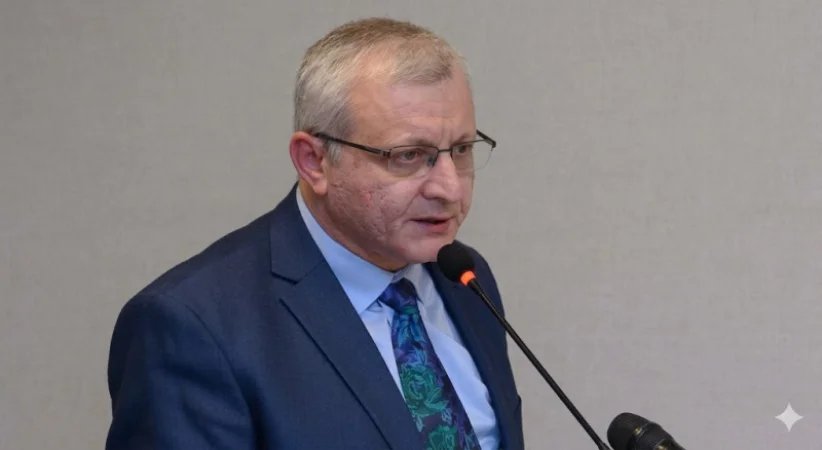
Political repercussions against Tsarukyan: Whose interests does Pashinyan serve? This was reported by political scientist Suren Surenyants.
“The statements made by Nikol Pashinyan regarding the Ararat Cement Plant once again demonstrate that the state in Armenia is gradually becoming a tool for political retribution. When the country’s Prime Minister publicly announces that a private enterprise ‘will become state-owned’, and congratulates its employees on ‘liberation’, this is a clear message that the authorities are ready to intervene in property relations for political purposes and pre-determine the fate of a private business. If there are legal issues related to a company's operations, they must be resolved exclusively within the framework of the law, based on courts, legal procedures, and the principle of the rule of law. However, when the Prime Minister personally announces what will happen to a specific enterprise, it creates an impression that the political decision has already been made, and the legal process is merely a formality.
Pashinyan’s vocabulary—‘mafia’, ‘retribution’, ‘business backbone’—clearly indicates that the issue at hand is not economic policy but rather political vengeance. Gagik Tsarukyan has long been one of the main political opponents of the ruling power and is currently a leading figure among one of the favored forces in this electoral process. Today, it is becoming evident that there is an attempt to strike not only at his political influence but also at his economic foundations. However, this narrative is much deeper than the question of one person or one enterprise. The Ararat Cement Plant is a crucial component of Armenia’s industrial system. It is a system-forming production facility that provides thousands of jobs, contributes to maintaining the country’s construction and economic stability, and plays a vital role in terms of economic self-sufficiency.
Creating a political pressure atmosphere, redistributing property, and fostering instability around such an enterprise strikes at Armenia’s economic resilience. All of this is occurring during a period when Armenia is facing significant security and geopolitical challenges. Under such conditions, any step that weakens the country's industrial potential objectively harms Armenia’s economic sovereignty. And this raises the most important question: whose interests are served by weakening Armenia’s industrial system?
There are countries in the region—Azerbaijan and Turkey—that have an interest in having a weak, dependent, and economically vulnerable Armenia. The political pressures, redistribution of property, and economic destabilization processes surrounding Armenia's large production systems cannot fail to coincide with those interests. At the same time, the pre-election calculations are also obvious. Pashinyan is trying to revive the old manipulative dichotomy of ‘the people versus the oligarchs’ before the elections, presenting the society with the claim that ‘property is being returned to the people’. However, in reality, this is not a policy of social justice; it is a political technology aimed at mobilizing his electoral base and diverting public attention from accumulated problems.
The most dangerous consequence of this process is the deterioration of the investment environment. Which investor will invest capital in a country where the level of property protection depends not on the law but on the political whims of the authorities, the whims of one individual? Who will trust a state where the Prime Minister can publicly announce the future of a private enterprise?
In a legal state, property issues are resolved in courts, not in political speeches. A businessman's fate is determined by law, not by the political expediency of the authorities or the whims of one individual. The state cannot become a tool for pressure and punishment against political opponents.
What is happening today around the Ararat Cement Plant is a dangerous precedent for all of Armenia. Because when the authorities begin to decide whose business is ‘liberated’, whose property is ‘returned to the people’, and who should be subjected to ‘retribution’, not only the fate of one enterprise is jeopardized, but also the foundations of Armenia's legal and state systems,” he wrote.
Նմանատիպ հոդվածներ


Ավելին Politics բաժնից
Իրանը հայտարարում է ԱՄՆ-ի երկու ռազմական անօդաչուի ոչնչացման մասին
Իրանն ու Ռուսաստանը կարող են արգելակել TRIPP-ի իրականացումը․ Սուրենյանց
Իրանը կշարունակի վերահսկել Հորմուզի նեղուցը