Details of the Creation of the Armenian-Azerbaijani Border Demarcation Map Revealed
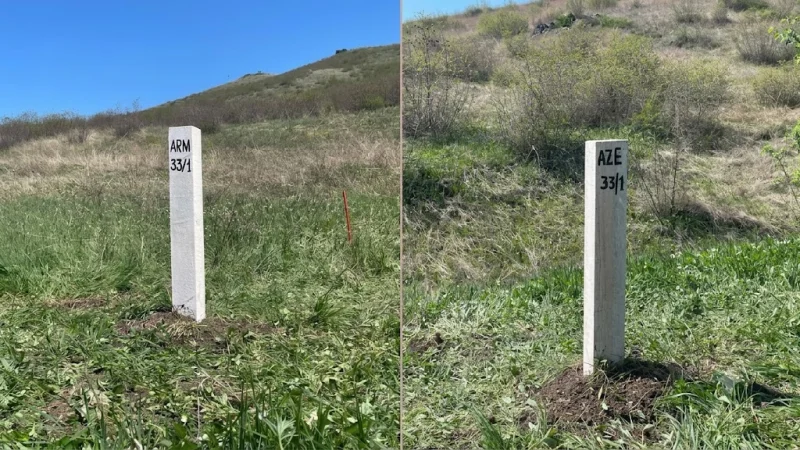
During a meeting held in Agveran on April 29, the border demarcation commissions of Armenia and Azerbaijan agreed upon and exchanged draft texts of three guidelines concerning the implementation of border demarcation works. The parties agreed to approach their governments for the approval of the guidelines. In other words, the governments of Armenia and Azerbaijan must formally endorse these guidelines through respective decisions. This was reported by Hetq.
Starting from May 15 to May 31, the draft government decision on the approval of the three guidelines has been put for discussion on the official platform for the publication of legal acts of Armenia, e-draft.am, prepared by the Ministry of Justice.
The border demarcation process commenced in spring 2024. It is worth mentioning that on August 30, 2024, the commissions of both sides signed the regulations on their joint activities, which were recognized by the Constitutional Court as compliant with the Constitution of Armenia in September, and ratified by the National Assembly on October 23 of the same year.
However, prior to this agreement, on April 19, 2024, the sides had already begun the demarcation towards the Tavush region in the areas of Baghanis-Baghanis Ayrum, Voskepar-Ashaghu Askipara, Kiranats-Kheyrimli, and Berqaber-Qızıl Hacili (see the map below), which sparked significant protests, particularly among the residents of Tavush, and subsequently escalated into a larger protest movement titled “Tavush for the Homeland.”
In other words, the process of demarcation began without waiting for the approval of the regulations on the joint activities of the commissions. Moreover, not only delimitation was conducted, meaning the adjustment of borders on the map, which is the actual function of these commissions, but also demarcation was carried out, meaning the establishment of boundaries on the ground. Boundary pillars were installed, barbed wire was deployed, and even a wall was constructed near the village of Kiranats.
During the demarcation process, Armenian forces withdrew from the aforementioned four sections. It should be noted that only in the Berqaber-Qızıl Hacili section did the Azerbaijanis remove their combat positions. However, this referred to just one position, while several Armenian combat positions have been withdrawn from the frontline. Importantly, the Azerbaijanis, by moving their single position located near the dam of the Joghaz reservoir, merely shifted it about 350 meters away, yet remained within Armenia's sovereign territory. This new position is simply located outside the demarcated and delineated areas.
Նմանատիպ հոդվածներ




Ավելին Politics բաժնից

Թուրքիայի ԱԳ նախարաը հայտնել է Ուկրաինա այցի գլխավոր նպատակը

ԱՄՆ-ի «դժոխային պատժամիջոցների» ծրագրերը Կրեմլում վերլուծում են. Պեսկով

ԱՄՆ-ն կենտրոնացած է Պարսից ծոցի վրա, ոչ թե Ուկրաինայի հակամարտության կարգավորման գործընթացի. Պեսկով