We Are Entering a Very Difficult and Risky Period: Kocharyan
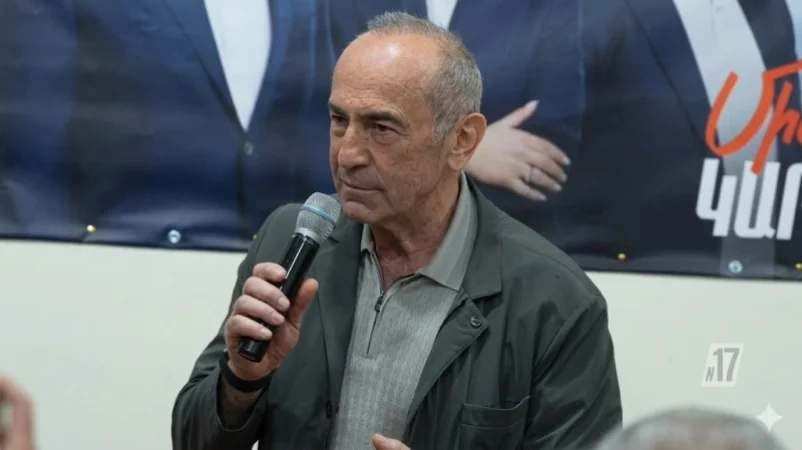
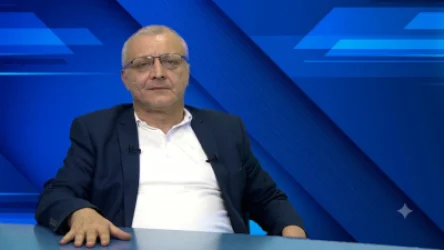
We are entering a very difficult and risky period. Today, these divisions are very deep. This was stated by the second President of Armenia and the Prime Minister candidate from the "Armenia" Alliance, Robert Kocharyan, in an interview with Nouvelles d’Arménie.
“In this region, we have traditionally had two countries with which we have had problems—Turkey and Azerbaijan—and two countries with which we have had friendly and allied relations—Russia and Iran. We have a serious contractual base in the security sector with Russia, a Russian military base is stationed in Armenia, and long-term friendly relations have developed with Iran.
Currently, problems with Turkey and Azerbaijan persist. Yes, efforts are being made to achieve peace, and we also support peace. But peace is not established with a simple movement of a finger. It requires time, relationships, and a legal contractual basis. However, today we are simultaneously seriously undermining relations with both Russia and Iran. We are a very small country and cannot afford such luxury,” said Kocharyan.
According to him, we should not destroy these relationships but rather maintain and strengthen them, and on this basis, regulate relations with Turkey and Azerbaijan.
“The weaker you are, the weaker your negotiation positions. What is currently being done is, in essence, weakening Armenia's positions in a complex negotiation process. We do not believe that relations with Russia hinder the improvement of relations with Turkey and Azerbaijan,” he noted.
When asked whether Armenia could simultaneously ensure support from the West and Russia, the second president replied, “We have always had good relations with Europe and especially with France. The best relations with France—both at the state level and personally with Jacques Chirac—were during my presidency. And relations with Russia have never hindered our cooperation with Europe and France. However, it must be understood that France does not have real influence in terms of security in this region. It can make statements and that’s it. And every time Aliyev responds very rudely, clearly indicating that France has no influence on regional issues. The same applies to the European Union, which does not have its own security structure. Russia's role is increasing in this region, and aside from Turkey, no other power is capable of challenging its economic, military, and, of course, influence in all other areas.”
Regarding the observation that the U.S. is trying to strengthen its position in the region with the TRIPP project, Kocharyan responded, “Who knows what Trump is thinking. I have no idea. I don’t think this is a good or bad project; I believe it just won’t work. The question is whether it is feasible. I don’t see how Armenia can benefit from it. This is not a project for Armenia; it is a project for Turkey and Azerbaijan to connect them to Central Asia. From this route, we will essentially get nothing except for small revenues generated from a 40-50 kilometer transit section. It is enough to just look at the map to understand that this is not Armenia’s project. We cannot make becoming a transit country the basis of our economic development or think that it can constitute a significant part of our economy.”
When asked how he plans to attract investments and develop Armenia, Kocharyan answered, “First and foremost, by opening more routes in the region. Our main trade route is not Azerbaijan, but Georgia. And in the future, if we can improve relations, Turkey could also become a trade route. But the most important thing is that we must develop our industry. Due to its population potential and educational level, Armenia was one of the most industrialized countries in the Soviet Union, significantly outpacing Azerbaijan. We need to implement a program to bring industry back to Armenia. This is not about heavy industry, which requires a high volume of raw material imports, but rather about high-tech and leading industries, without which I do not see a future for Armenia. We had a strong multi-faceted engineering school, which we are gradually losing today. Every day, we are losing the importance that we once had in the Soviet Union. Our human potential is a success story that can be restored. We can move in that direction.
What is needed to attract foreign investments? Business security, country stability, and an attractive economic policy. If you create such a favorable environment, investments will definitely come. I have felt this through my personal experience.”
Նմանատիպ հոդվածներ
Ավելին Politics բաժնից
Թեժ մրցակցություն է սպասվում. «Հրապարակ»
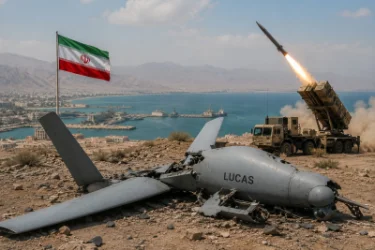
Իրանը հայտարարում է ԱՄՆ-ի երկու ռազմական անօդաչուի ոչնչացման մասին
Իրանն ու Ռուսաստանը կարող են արգելակել TRIPP-ի իրականացումը․ Սուրենյանց