New Scandal between Armenia and Russia: Moscow May Attempt to Influence Elections, Says PACE
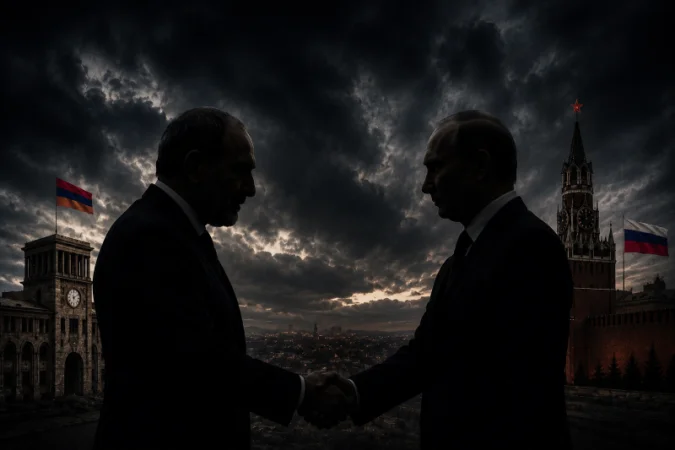
The pre-election delegation of the Parliamentary Assembly of the Council of Europe (PACE), which was on a two-day visit to Yerevan from May 11 to 12, issued a statement emphasizing that the parliamentary elections in Armenia scheduled for June 7, 2026, must be conducted in an environment free from fear, undue external influence, and abuse of administrative resources.
In its message following the visit to Armenia, the PACE delegation expressed concern about the increasingly complex and systemic nature of external interference affecting Armenia’s political and information spaces.
The delegation also called on Armenian authorities to intensify efforts to protect against external interference and ensure equal conditions for all participants. “The delegation has heard that external interference has evolved beyond traditional disinformation, now including illegal political financing, cyberattacks, economic coercion, and direct attempts to manipulate the electoral process. This hybrid strategy aims not only to influence public opinion but also to secure long-term geopolitical leverage over Armenia. The delegation was informed of direct and overt requests from the President of Russia to the Prime Minister of Armenia regarding facilitation for voting by representatives of the Armenian diaspora from Russia and financial incentives for this segment of the diaspora’s visit to Armenia on election day,” the statement reads.
It noted that the delegation underscored that such interference represents a continuous and adaptive threat that extends far beyond the election period. “The delegation also highlighted the declarative support given to the ruling party by certain Western partners,” the statement added.
Furthermore, the PACE delegation welcomed Armenia's legal and regulatory framework aimed at countering undue influence. “The delegation believes it is essential to urgently strengthen institutional capacities, improve inter-agency coordination, and increase the transparency of political funding. Looking at the broader pre-election environment, the delegation also expressed concerns regarding the intensification of disinformation directed at human rights defenders, journalists, and civil society organizations. Allegations of being a ‘foreign agent’ harm public trust and restrict civic space,” the statement indicated.
The delegation reported hearing about systematic disinformation campaigns and manipulative social media content, expressing hope that technology companies would take stronger measures against such campaigns. “The delegation is also concerned about increasing legal pressures, including lawsuits against public participation targeting civil society, journalists, and electoral observers. This tactic could undermine free speech and hinder democratic participation. The delegation emphasized that a viable, independent civil society is crucial for democratic elections and must be protected from threats,” the statement suggests.
Other issues of concern included rising political polarization, low public trust in institutions, and a general lack of interest in politics, particularly among the younger generation. “The delegation heard allegations of harsh campaign rhetoric, abuse of administrative resources, voter pressure, unregulated third-party campaigning, and vote-buying (sometimes disguised as charity). The unprecedented involvement of the Armenian Apostolic Church in politics was also noted by the delegation. The transparency and accountability of campaign financing remain critical, especially in light of recent legislative changes that have raised donation limits without fully addressing oversight gaps,” the PACE delegates emphasized.
They highlighted that protecting electoral integrity requires collaboration between national authorities, civil society, and international partners, as well as responsible actions from digital platforms. “The delegation commended the constructive cooperation between Armenian authorities and stakeholders ahead of the June 7 election, recognizing the importance of voting for Armenia’s democratic and geopolitical trajectory, especially in the context of ongoing peace efforts and regional transformations. The delegation heard allegations of double standards in the judicial system, with opposition representatives complaining about many political figures and clergymen being under investigation or under house arrest,” the statement noted.
It was also reported that during the visit, the delegation met with the Deputy Speaker of the National Assembly, members of Armenia’s delegation to PACE, leaders of parliamentary and non-parliamentary parties, the Deputy Minister of Justice, the chairperson of the anti-corruption committee, the head of the informational systems agency, and other representatives, including members of the Central Electoral Commission, the head and deputy head of the OSCE/ODIHR mission, members of the diplomatic corps in Yerevan, as well as media and civil society representatives.
“The delegation appreciated the efforts of the Central Electoral Commission, such as training and collaboration with the informational systems agency to enhance cybersecurity,” emphasized the PACE delegation.
The delegation encouraged civil society organizations to continue their vital role in monitoring, reporting, and advocating for democratic standards. “PACE will deploy a full election observation mission to monitor the elections on June 7, 2026, alongside observers from ODIHR, the OSCE Parliamentary Assembly, and the European Parliament,” stated the PACE delegation.
Նմանատիպ հոդվածներ

Ավելին Politics բաժնից
Թեժ մրցակցություն է սպասվում. «Հրապարակ»
Իրանը հայտարարում է ԱՄՆ-ի երկու ռազմական անօդաչուի ոչնչացման մասին
Իրանն ու Ռուսաստանը կարող են արգելակել TRIPP-ի իրականացումը․ Սուրենյանց