New Restrictions in the Management of Multi-Apartment Buildings
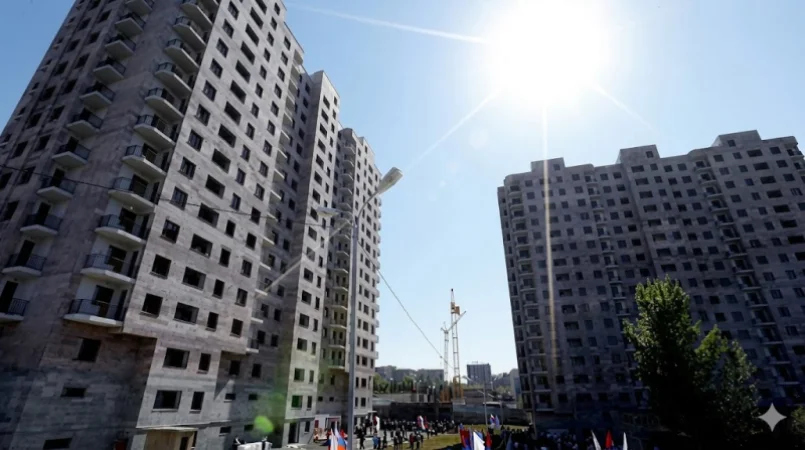
New regulations aimed at regulating the management and maintenance of multi-apartment buildings will come into effect in 2026, limiting the cash collection of maintenance fees. Concurrently, there are plans to revise and modernize the management principles by developing a new legislative package. Tanya Arzumanyan, head of the Housing Fund Management and Municipal Infrastructure Department of the Urban Development Committee, stated in an interview with Armenpress that there are systemic issues related to the efficiency of homeowners' associations, which have largely arisen in the post-Soviet era in an inertial manner, without changing the management culture. The mindset of the former 'JEK' (housing maintenance organizations) has largely remained, while the ownership structure has shifted from public to private.
In this context, it is often observed that both residents and management bodies exhibit insufficient activity and responsibility. Moreover, until recently, there were no clear legal requirements regarding the professional competencies of management bodies.
Professional Knowledge Requirements for Building Managers
The latest amendments have established minimum requirements, including educational thresholds and mandatory training. Managers must have at least a secondary vocational or higher education and undergo training in four main areas: legal, technical, administrative, and financial. Training programs have already begun and will continue over time. Both current managers and individuals wishing to engage in the sector may participate in them. A deadline has also been set until July 1, 2027, by which current managers must undergo retraining, or their powers may be terminated at the initiative of the community by the owners.
The government aims to gradually create a more professional and efficient management system, as well as to attract new, qualified personnel. The effectiveness of building management largely depends on the activity and demands of the owners. In newly constructed buildings, there is already higher engagement, whereas passive behavior often prevails in the old housing stock, which continues to be one of the main obstacles to sector development.
Distribution of Roles Between Residents and Building Managers
Starting in 2026, a new regulation will be introduced for newly constructed buildings, allowing developers to choose a management body on behalf of owners' communities that have not yet fully formed. Later, when the owners organize themselves, they can independently decide whether to continue with that form of management or change it. Moreover, according to current legislation, decisions regarding the management form of multi-apartment buildings, the selection of the management body, and the termination of the management body's powers can be made by a simple majority.
In this context, it is essential to highlight that property owners are essentially 'hiring' a management organization with the funds they collect for managing their common property. They have the right to review that cooperation at any time, change the management body, or discontinue the service if it does not meet their requirements,” stated Tanya Arzumanyan.
At the same time, property owners are also obliged to treat their property responsibly and ensure the payment of necessary fees. There are issues in this sector where, on the one hand, owners do not pay, citing the absence of services, while on the other hand, management bodies note that they cannot carry out necessary work without payments.
In recent years, a significant change has been made regarding payment transparency. Legally and through government decisions, it has been established that payments intended for the management of multi-apartment buildings must be made exclusively through non-cash methods. A separate bank account must be opened for each building to manage all income and expenditures. This allows for financial transparency and accountability. The collection of payments in cash by owners is a violation of the law.
The collected payments are considered mandatory and directed towards the maintenance of the common property. They include various measures approved by the government. Each owner’s payment amount depends on the size of their property. An annual inspection of the building is conducted, based on which next year’s work is planned, a budget is formed and approved by the owners’ assembly, and then the cost per square meter is calculated, which determines the payments for each apartment.
The management body's obligation is also to present a report on how and for what purposes the budget has been spent.
Residents' Autonomy at the Expense of Safety
Construction interventions in multi-apartment buildings are regulated in two directions: from the perspective of management and construction procedures. Works that require permission and those that do not are differentiated. In the case of works requiring permission, compliance with the relevant procedures is mandatory. Even in cases where no permission is required, the resident performing construction intervention or alteration must inform the management body. Furthermore, any intervention should not infringe upon the rights of other owners, particularly regarding free access and exit. If the planned work could affect the rights of neighbors, their consent is necessary.
“It is especially important to take safety issues into account, given Armenia's seismic vulnerability, as well as the risks of fires and other emergencies. Evacuation routes, including doors, must always ensure free and equal access for all,” said Arzumanyan.
Who Are the Stakeholders in This Sector?
As for oversight over the management of multi-apartment buildings, this authority primarily lies with residents, the owners who form the building's management body. Communities also have powers regarding the overall oversight of mandatory measures. Two authorized state bodies operate in the field of regulating construction, including renovation works.
The Urban Development Committee is responsible for developing the legislative framework, while the oversight of adherence to standards, recording violations, giving instructions for their elimination, and submitting reports to competent authorities when necessary is the responsibility of the Urban Development Technical and Fire Safety Inspectorate,” concluded Tanya Arzumanyan.
Նմանատիպ հոդվածներ




Ավելին Politics բաժնից
ՀՀ 10 մարզպետներ անգործ կմնան. մարզպետարանները լուծարման փուլում են. «Ժողովուրդ»
Փակում ենք դուռը ռուսների առաջ. Հունգարիայի պաշտպանության նախարար
Իրանը 26 օրում ավելի քան 6 մլրդ դոլարի նավթ է վաճառել