Gambling Regulation Bill Could Signal Green Light for Black Market Expansion
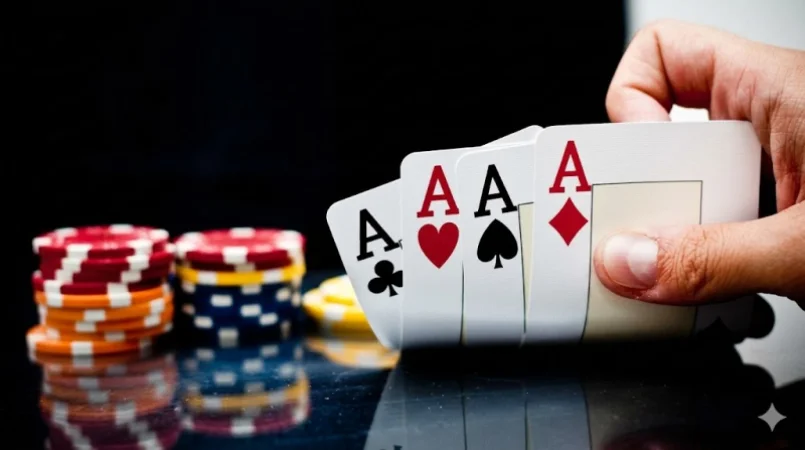
The National Assembly has adopted, in the first reading, a package of amendments and changes to the "Law on Regulation of Gambling Activities," presented by Hayk Sargsyan. The bill could essentially pave the way for a broader expansion of the black market in the gambling sector.
It is already evident that unlicensed operators are increasing their presence and market share in Armenia day by day. This means that the number of citizens placing bets on unregulated platforms is on the rise. These websites operate outside state control and lack the accountability, transparency, and player protection mechanisms that are mandatory for licensed operators.
In other words, unlicensed platforms can operate almost without any restrictions, including the ability not to pay out winnings. A citizen trapped in such a situation is practically deprived of effective legal protection mechanisms, as state bodies often simply do not have the capability to pursue these operators.
Several provisions of the legislative changes could, in fact, serve as additional incentives for citizens to shift from the licensed sector to the black market. The bill proposes to prohibit citizen participation in games organized within the framework of gambling activities for those who benefit from any subsidization program funded or co-funded by the state budget.
This formulation, while sounding appealing, could lead to an excessively broad range of individuals being restricted. It could pertain not only to those benefiting from social support programs but also to recipients of agricultural, business, or other incentive programs. Many of these programs are unrelated to social insecurity and serve economic development purposes. In other words, the socially disadvantaged are not the only group affected.
Furthermore, benefits, pensions, social support, and programs such as income tax refunds do not serve the same purpose. The former are aimed at meeting citizens' social and vital needs, while the income tax refund program has a clear economic component that encourages development and renewal of the housing stock in Armenia.
Another provision in the bill proposes to prohibit participation in games for citizens who have reached retirement age and whose only source of income is their designated pension. However, the mere fact of receiving a pension does not in any way indicate that a person is economically disadvantaged. Additionally, the bill does not clarify how and by which body it will be determined if a given individual has other sources of income.
It should also be considered that many pensioners have savings that they can manage at their discretion, including placing bets. This is an unregulated realm.
This restriction could have the opposite effect; without the ability to place bets with licensed organizations, those individuals may migrate to unlicensed, or rather, black market platforms.
The provision that sets the allowable participation in gambling for citizens to be 20 percent of their declared annual income poses significant issues. The government itself has objections to this approach. According to the government, it is essential to refrain from establishing the allowable participation in gambling in relation to a percentage of declared annual income, as its practical application is problematic and premature. Limitations based on annual income may not reflect a person's actual financial capabilities.
There could be cases where an individual has zero declared income in a given year but has considerable savings. The risk is evident; under the current declaration mechanism, hundreds of thousands of citizens' declared incomes may be zero—especially for those engaged in agriculture, unemployed individuals, or those with irregular income. As a result, their participation in games could be restricted, regardless of their actual financial situation.
This situation, in turn, could further incentivize the same citizens to move from the licensed sector to unregulated, unlicensed operators. Notably, the risks associated with limiting participation to 20 percent of annual declared income have also been highlighted and opposed by the State Revenue Committee.
It appears that a bill has been adopted that could contribute to the expansion of the black market and strengthen the position of unlicensed operators.
Responsible gambling is an essential component of the gambling industry and is widely implemented globally. However, under the guise of this principle, a legislative proposal is currently being advanced in Armenia that may lead not to improved oversight of the sector but, conversely, to an expansion of the unregulated gambling market.
It is evident that one cannot talk about combating gambling addiction or promoting responsible gambling while simultaneously ignoring the issue of the black market. It should be noted that betting volumes over the past eight years have outrageously increased from 4.3 billion to nearly 8 trillion.
Նմանատիպ հոդվածներ



Ավելին Politics բաժնից
Մանդատների բաշխմանը հաշված օրեր են մնացել, բայց խմբակցություններում դեռ անորոշություն է. «Ժողովուրդ»
Թեժ մրցակցություն է սպասվում. «Հրապարակ»

Իրանը հայտարարում է ԱՄՆ-ի երկու ռազմական անօդաչուի ոչնչացման մասին