Vahagn Khachaturyan Issues Statement
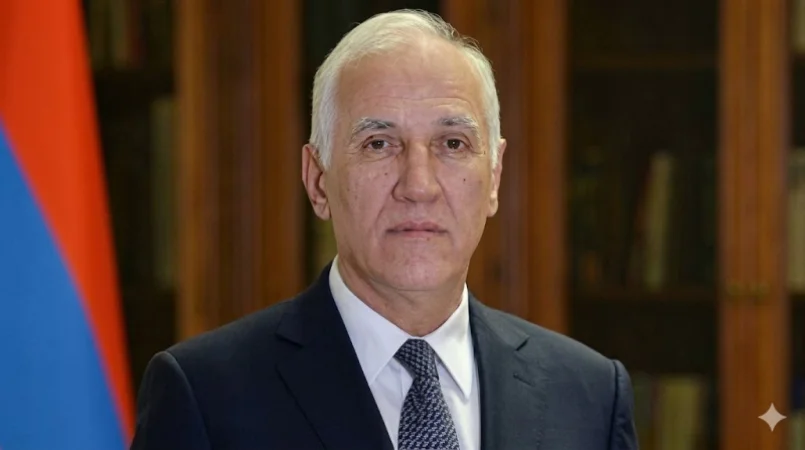
The President of the Republic, Vahagn Khachaturyan, delivered an opening speech at a panel discussion titled "From Connectivity to Opportunity: Boosting EU-Armenia Trade and Investments" within the framework of the International Conference on "Yerevan Dialogues."
"At the beginning of my speech, I would like to congratulate all of us on the successful conduct of several key events in Yerevan, which have already been completed or are underway these days, including the 8th summit of the EAEU, the first summit between Armenia and the EU, the first state visit of the President of the French Republic to Armenia, and of course, the 3rd Yerevan Dialogues conference.
In preparing my speech, I recalled that in the autumn of 2025, when Armenia formalized its application to host the 8th summit of the EAEU, the Prime Minister of the country particularly emphasized that one of the main themes of the Yerevan summit would be connectivity.
Today, Armenia stands at a crossroads of expanding connectivity opportunities. However, connectivity gains value only when it creates visible and tangible opportunities and is based on peace. Fortunately, we can assert today that this is real and possible.
Let’s accept that connectivity means the reopening of transport routes, the provision of free trade, and investment in a broader economic network connecting various regions, including Europe and Asia. In this sense, the South Caucasus can become a unique hub at the crossroads of South-North and East-West.
It is clear that the "Peace Crossroads" initiative, the implementation of the Middle Corridor, and the unhindered connection of goods between Europe, the South Caucasus, and Central Asia represent mutual interest for everyone.
In this regard, the normalization of Armenia-Azerbaijan relations can become the key factor that will transform the connectivity of our region into real economic opportunities and outcomes.
It is noteworthy that years ago, when the "Eastern Partnership" format began in Prague in 2009, the South Caucasus was viewed as the edge or conditional boundary of "European Neighborhood," whereas today, no program can hold strategic significance and fully realize its potential if it is not linked with Central Asia and, subsequently, the far East.
All plans for the reopening of transport routes have long been priorities for the Armenian government. When in October 2023, Armenia introduced the "Peace Crossroads" initiative, its core idea was to connect the vast regions of the South Caucasus and Eurasia with road and rail links, energy communications via gas pipelines, cables, and power lines.
The project's implementation envisions the activation of the shortest route between the Black Sea and the Persian Gulf through the territories of Iran, Armenia, and Georgia (north-south direction), as well as the shortest route between the Caspian and Marmara Seas through the territories of Azerbaijan, Armenia, and Turkey (east-west direction).
Simultaneously with the presentation of the project, a discussion began among experts regarding its main economic components concerning profitability and efficiency. However, it should be recognized that making precise or even approximate calculations is quite problematic since this pertains to vehicles, cargo, passengers, pipelines, cable routes, power lines, and the accompanying infrastructure, the volumes of which still need to be assessed.
Nevertheless, one thing is clear: the reopening of routes leads to economic freedom, which, in turn, fosters open market relations, direct investments, and so on.
As a scientist-economist who has engaged with both theoretical and practical aspects of science for many years, I would consider the project proposed by the Armenian government, of which the TRIPP initiative is also a component, in the light of the cornerstone works of two classical and contemporary great economists: Adam Smith's "Wealth of Nations" and Milton Friedman's "Capitalism and Freedom," where it is clearly emphasized that "only freedom gives the entrepreneur the opportunity to profit, and society, to advance its interests more effectively."
Again, as an economist, I must note that no commentary conveys a sufficiently vivid picture of economic recovery as do the indicators presented from impartial sources. Therefore, I would like to address certain figures: in 2025, Armenia's economy continued its steady growth trend, recording a 7.2% economic growth. In the first quarter of 2026, economic activity increased by 7.1% compared to the same period last year. In comparison to the first quarter of 2025, exports to the EU increased by 90%, to China by 2.3 times, and to the USA by 13%.
According to the Heritage Foundation's "Index of Economic Freedom," Armenia ranks 52nd among 176 countries worldwide (in 2025, we were 57th with a score of 65.4, improving by 5 positions). In 2025, total investments in Armenia increased by 88% compared to 2024, while direct investments skyrocketed 4.6 times, rising from $131.6 million to $605.1 million. In the first two months of 2026, economic activity indicators increased by 7.4% compared to the same period in 2025.
Armenia has recorded growth in all sectors: construction – 20.5%, industry – 17.2%, foreign trade – 9.3%, services – 7.2%, trade – 3.3%.
In conclusion, I would like to emphasize that peace between Armenia and Azerbaijan, the normalization of relations between Armenia and Turkey, the TRIPP pathway project, the friendly relations between Armenia and Azerbaijan with Georgia and Iran, the deepening of strategic partnership with the EU, and constructive dialogue with Russia can genuinely make the South Caucasus one of the most attractive regions and a transit corridor for North-South and East-West routes.
I assure you that Armenia will actively strive to realize this historic opportunity," said the President of the Republic of Armenia, Vahagn Khachaturyan.
Նմանատիպ հոդվածներ
Ավելին Politics բաժնից
Իրանը հայտարարում է ԱՄՆ-ի երկու ռազմական անօդաչուի ոչնչացման մասին
Իրանն ու Ռուսաստանը կարող են արգելակել TRIPP-ի իրականացումը․ Սուրենյանց
Իրանը կշարունակի վերահսկել Հորմուզի նեղուցը