Acute Deficit of Liquid Gas in Armenia
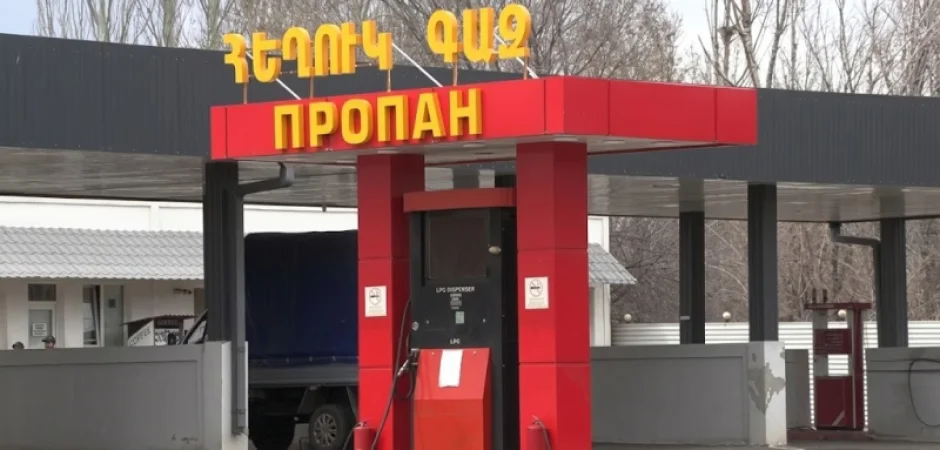
An acute deficit of liquid gas has arisen in Armenia. Most gas stations either do not operate at all or provide fuel in limited quantities at sharply increased prices. Just a week ago, the average price of one liter of liquid gas was 190 drams, but today in Armavir and Hrazdan it has reached 270 drams, with some cases even hitting 300 drams. Some stations have entirely switched to coupon sales. Drivers interviewed by NEWS.am indicated that they last filled up at 250 drams and have been forced to switch to gasoline more frequently.
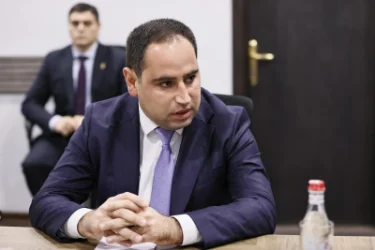
Economist Suren Parsoyan explained the situation, noting that the crisis has several intertwined causes. “Armenia is a country that imports liquid gas, mainly from Russia. Supplies from Iran and Iraq have significantly complicated or completely ceased in recent months, resulting in the country becoming critically dependent on the Russian route. This is precisely why the three-day closure of the ‘Verin Lars’ border checkpoint last week had an immediate impact on the domestic market,” he said.
But the issue isn’t solely the ‘Verin Lars’ checkpoint. According to Parsoyan, out of more than a hundred companies involved in the importation of liquid gas in Armenia, only a few have their own storage facilities. These companies are currently dictating prices. Other market participants, including gas station owners, operate almost without reserves and now simply have no product to sell. Companies with storage facilities refuse to share their stocks, creating an artificial deficit and panic conditions.
The international context also complicates the situation. The closure of the Strait of Hormuz has disrupted global liquid gas supply chains; Qatar, one of the largest exporters of liquid gas, has curtailed or entirely halted supplies, leading to fluctuations in the global market. Russian producers are actively reorienting towards Asian markets, considering this a strategic priority, making the Armenian market less appealing to them,” he added.
Suren Parsoyan also highlighted the inaction of the Competition Protection Commission. The authority had studied this market several years ago and, noting more than a hundred participants, concluded that there was no monopoly. However, in the expert's opinion, the commission failed to account for the fact that the closure of ‘Verin Lars’ instantaneously changes the behavior of players with reserves. They exploit the deficit to sharply increase prices. Such a leap from a normal level to 300 drams is impossible to achieve in just one or two days and requires immediate investigation.
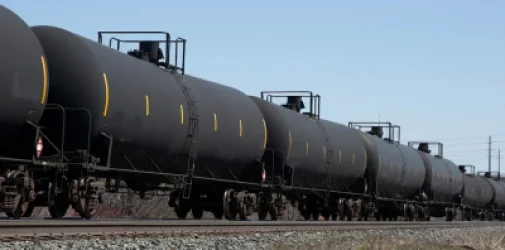
The reopening of ‘Verin Lars’ will partially ease the tension but will not resolve the systemic problems. The expert insists on the necessity of diversification: it is essential to restore uninterrupted supplies from Iran, consider the option of high-quality gas from Iraq, and explore the Turkmen route. As for the importation announced by the authorities through Azerbaijani territory, the economist is skeptical, noting that very few wish to utilize this route and that infrastructure for transporting and storing large quantities of gas by rail does not exist.
Նմանատիպ հոդվածներ

Ավելին Economy բաժնից

9 եվրոպական երկիր և Ուկրաինան կստեղծեն բալիստիկ հրթիռներից պաշտպանության միասնական համակարգ
Շոգի պատճառով Ֆրանսիան ժամանակավորապես դադարեցրել է 3 ատոմակայանի աշխատանքը
Իրանը զգուշացրել է ԱՄՆ-ին՝ Հորմուզի նեղուցին միջամտությունը կհամարվի ագրեսիա