News in Brief: Middle East Tensions Drive Up Gas Prices and Reshape Energy Markets
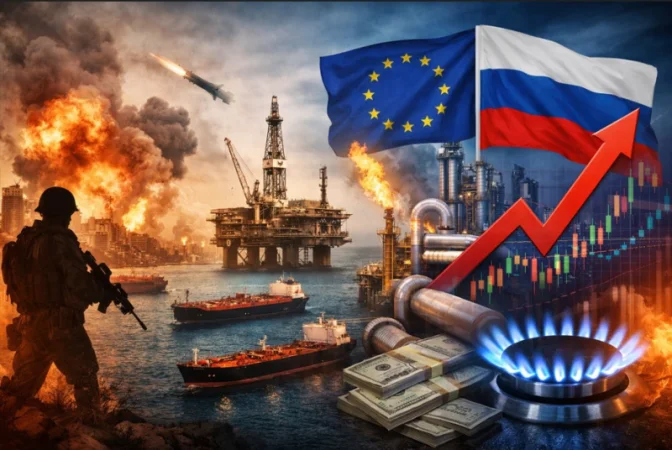
Recent news highlights, concise and substantive:
The phone conversation between the leaders of Russia and the United States did not extensively discuss American sanctions against Russian oil exports, according to the Kremlin spokesman.
Russia has stated its readiness to support de-escalation of tensions in the Middle East, noting that a coordinated approach among different parties is necessary for this.
Turkey has declared that violations of its airspace are unacceptable, warning that it will take retaliatory action in such cases.
The passage of ships through the Strait of Hormuz has sharply decreased, with most tankers remaining in ports or anchored and waiting.
Iran has stated that it does not aim to achieve a ceasefire with the U.S. and Israel, asserting its intention to respond to adversaries.
In Europe, gas prices have reached their highest levels in the last three years, driven by conflicts in the Middle East and supply disruptions.
China has significantly increased its crude oil imports, with a large share of the purchases coming from Russian oil.
Vietnamese authorities have urged companies to allow employees to work from home in order to reduce fuel consumption, as energy prices have risen sharply in the country.
The Iranian Foreign Ministry spokesperson has harshly criticized the President of the European Commission, accusing him of double standards and justifying actions against Iran.
In Europe, it has been stated that the main beneficiary of the Middle Eastern war is Russia, as the rising energy prices enhance its financial capabilities.
Նմանատիպ հոդվածներ
Drone Strikes on Georgia, Border News and Pashinyan's Statements
News in Brief: Trump's Statements and Iran's Threats; Demand for New Leaders in Armenia
News in Brief: Papikyan's Firm Responses, School Violence, and New Passport Program

News in Brief: Arrest Decision on Serge Sargsyan's Brother and International Developments
Ավելին Other բաժնից

20:00 Լուրերը մեկ տողով. Սպասվում է եղանակի փոփոխություն, Լարսում կուտակումներ, Թրամփի հայտարարություններ
19:00 Լուրերը մեկ տողով. ՀԷՑ-ի գործով Դատարանի նոր վճիռ, Սևանի նոր զարգացումներ

18:00 Լուրերը մեկ տողով. 13-ամյա աղջկա մահվան մանրամասներ, Թուրքիայի կողմից միջազգային հետախուզում Նեթանյահույի նկատմամբ