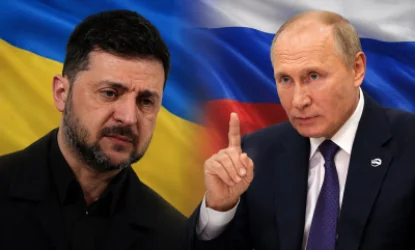
Trump's Promise: What Developments to Expect in Iran
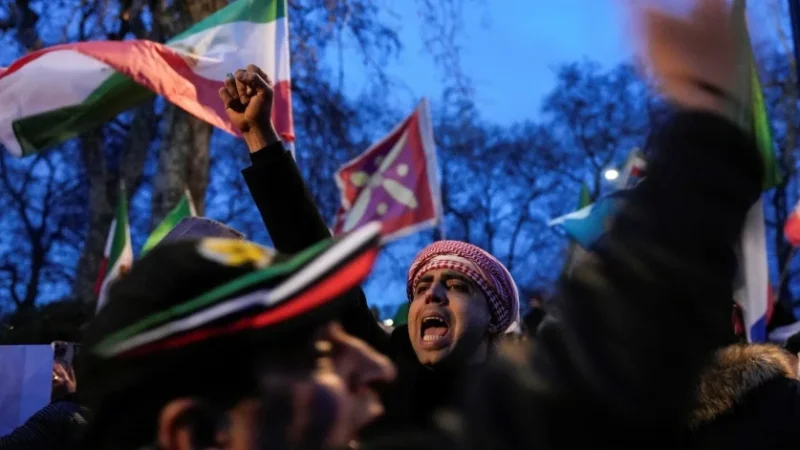
Protests that began on December 28 in Iran have virtually created a state of emergency in the country. The wave of protests gained particular momentum on January 8, following a call for demonstrations by Reza Pahlavi, the heir to the deposed Iranian Shah in 1979. Initially, the primary cause of dissatisfaction among the protesters was inflation.
Yesterday, Iranian authorities declared a three-day mourning period in memory of the hundreds of citizens who lost their lives during the protests. It is noteworthy that U.S. President Donald Trump had previously stated that if Iranian forces began killing protesters, they would have to intervene. Trump continues to express his support for Pahlavi's supporters, but...
Analyzing the current situation, let us try to understand what potential developments and resolutions might arise. It is perhaps important to note that the wave of discontent in Iran is unprecedented in scale; according to some sources, the number of participants in the protests exceeds one million. Iranian authorities are using force to suppress the demonstrations, resulting in a rising death toll.
However, the U.S. President remains hesitant to fulfill his promise, which indicates that Trump is cautious about taking drastic actions. Therefore, the most likely scenario for the current developments might be as follows: Iranian authorities, utilizing the full potential of security forces, could succeed in reducing the intensity of the protests. In this context, it is also possible that Iran's Supreme Leader Ali Khamenei may make certain concessions, particularly in the socio-economic sector. It is not ruled out that Khamenei might dismiss several high-ranking officials to calm the wave of discontent.
However, these measures can only serve as a temporary relief without bringing any substantial changes, as systemic changes simply will not occur. Specifically, in the face of deep-rooted dissatisfaction, the domestic political crisis will further intensify. Naturally, the use of force to suppress protests will particularly increase pressure on Khamenei's regime from the West.
We can already assert that a new situation is forming in the neighboring country. Internal conflicts following the war against Israel have significantly weakened the positions of the Islamic State. At this stage, it seems likely that Iran's Supreme Leader will manage to maintain power, but...
It is clear that especially the U.S. has adopted a permanent approach to facilitating regime change in Iran.
David Jalalyan
Նմանատիպ հոդվածներ
Ավելին Politics բաժնից

Մեծ Բրիտանիան վերազինվում է․ հիբրիդային մարտական նավեր՝ օդային և ստորջրյա դրոններով
Արցախի ԱԺ-ն ստեղծում է հանձնաժողով. նախագահ Աշոտ Դանիելյան
Հայոց ցեղասպանության ճանաչումը պետք է ուղեկցվի պատմական պատասխանատվությամբ․ ՀՅԴ Հայ Դատ