Where Is the Line Between Regulation and Censorship?
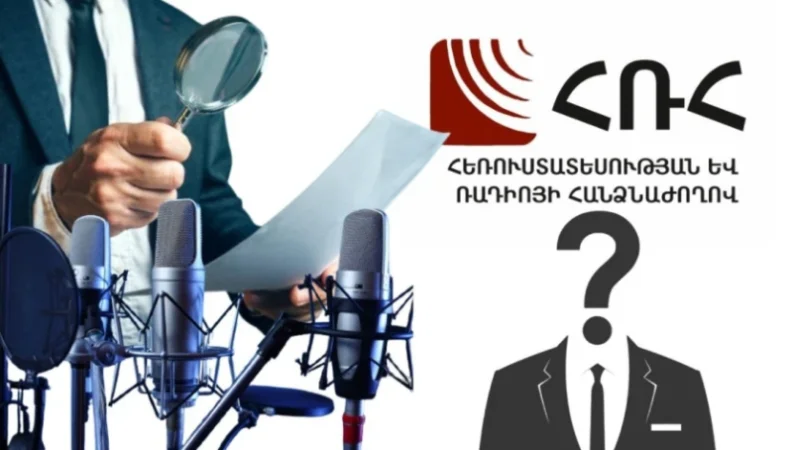
The Council of Television and Radio has scheduled a hearing on December 19 regarding the "Kiss FM" radio station. The reason is that the Prime Minister's statement about the possible elimination of cash circulation within the country was deemed "distorted" when aired, according to the council. While it is common practice to schedule hearings, this case concerns not merely checking for any apparent violation of the law, but rather assessing the substantive interpretation of a political statement, censorship, and restrictions on freedom of speech. This shifts into a more dangerous legal territory.
FREEDOM OF SPEECH IS GUARANTEED BY THE CONSTITUTION IN ARMENIA
The Constitution clearly guarantees:
• the right to freely express opinions
• the right to disseminate information
• a direct prohibition on censorship.
When a regulatory body begins to evaluate not the fact of legal violation but the “correct” interpretation of political speech, this is no longer regulation. It is direct interference in freedom of speech.
FACTORS THAT THE COUNCIL IGNORES
There is a crucial factor that the Council is deliberately overlooking. The same phrasing of the Prime Minister's statement was first spread by several media outlets, including the "Sputnik Armenia" agency, which operates under the auspices of the Russian government. Notably, over six hours after the publication by "Sputnik Armenia," the information was aired on "Kiss FM." The Council did not see an issue with the publication by "Sputnik Armenia." Instead, it raised questions exclusively regarding "Kiss FM." This raises the question, what is the reasoning behind the discriminatory approach towards "Kiss FM"?
The answer is that for the past six months, "AuroraNews" has been conducting a journalistic investigation into the activities of the head of the council, which has caused unease for him.
JOURNALISTIC INVESTIGATION AND THE REGULATOR'S "RESPONSE"
"AuroraNews" has serious grounds concerning the lack of transparency, publicity, and impartiality in the activities of the Council of Television and Radio. Immediately after starting the journalistic investigation and submitting written inquiries regarding the Council and its head's activities, "predictable" processes followed:
• unexpected inspections
• financial penalties
• pressure on two media outlets simultaneously—Radio Aurora and Kiss FM.
The sequence of these events is no coincidence; it is a response from the head of the council to suppress the journalistic investigation.
THE ISSUE EXTENDS BEYOND JUST ONE RADIO STATION
The issue does not concern only "Kiss FM" or "Radio Aurora." It is much deeper:
• Can a regulatory authority turn its oversight functions into tools of pressure?
• Is it acceptable for an investigation into the head of the council to lead to punitive measures against media outlets?
• Finally, who oversees the overseer?
"AuroraNews" will continue to investigate the activities (or inactivity) of the council and its head and will provide further publications. Society has the right to know how impartial, legal, and public the head of the Council of Television and Radio is, who controls the information landscape of the country.
Նմանատիպ հոդվածներ



Ավելին Society բաժնից

Էգ առյուծի՝ քնեցումից չարթնանալու հանգամանքները կդառնան քննության առարկա․ ՔԿ

Հաստատվեց՝ Գագիկ Ծառուկյանի՝ քնեցված առյուծներից մեկն անկել է

Հայտնաբերվել է 452 ոչ սթափ վարորդ անցած շաբաթվա ընթացքում