2026 State Budget Draft: Concrete Facts and Assessments by Avetisyan
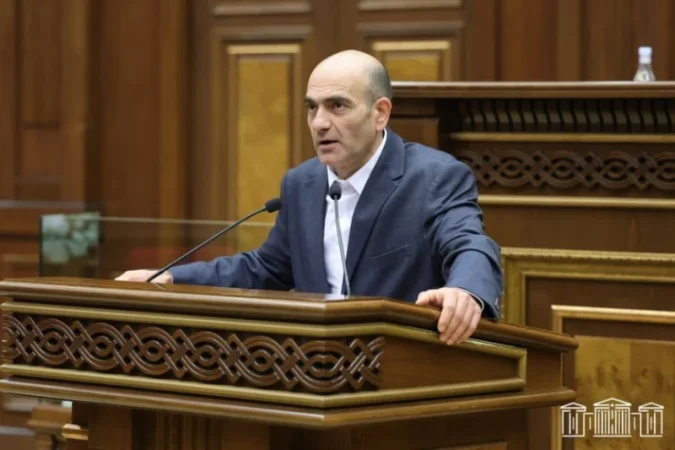
Next year marks the end of this government's five-year program. It is a well-documented fact that key promises related to the socio-economic sector have not been fulfilled. This was stated by Tevan Avetisyan, a member of the ‘Armenia’ faction in the National Assembly.
“Social promises pertain to pensioners, beneficiaries, working poor, and the extremely poor. Upon coming to power, they promised to halve the poverty rate, eliminate extreme poverty, and ultimately bring about universal happiness and other fairy tales. According to the government’s 2021-2026 program, it was also promised that by 2026, the minimum pension would equal the cost of the food basket, the average pension would equate to the value of the minimum consumption basket, and the minimum wage would reach 85,000 AMD.
Let us first note: compared to the first quarter of 2018, in the first quarter of 2025, the monthly cost of one person's minimum consumption basket increased by about 17,000 AMD, while the average monthly pension increased by about 9,000 AMD, and the average monthly benefit for a low-income family rose by 3-4 thousand AMD. Meanwhile, the national debt has more than doubled, increasing by approximately 7 billion USD.
In fact, under this government over the past seven years, the national debt has grown by around 1 billion USD per year, resulting in about 12% (over 1 billion USD) of the state budget's annual revenues being allocated to servicing this rapidly increasing debt, primarily to pay off rising interest rates. As a consequence, the lives of approximately 40% of the population, who belong to socially vulnerable groups, continue to deteriorate since social promises remain unfulfilled, leading to a continuous decline in their real incomes.
In 2018, the poverty rate was 23.5%, and the extreme poverty rate was 1%. However, according to the latest data published in 2023, these figures have increased instead of being halved or eliminated, now standing at 23.7% and 1.1%, respectively. In the first half of 2025, the average monthly pension amounted to 49,000 AMD, and the average monthly benefit for a family was 33,350 AMD. Notably, the average amount of newly assigned pensions is gradually decreasing alongside reduced work tenures. In 2024, it was about 43,000 AMD. Moreover, around 35% of pensioners are either poor or extremely poor.
About 100,000 citizens with up to 10 years of work experience receive retirement or disability benefits, which average about 36,500 AMD. Therefore, to fulfill its programmatic promise, this government needs to increase the average pension by 30-35 thousand AMD next year. The minimum pension should also be raised by 7-8 thousand AMD since the cost of the food basket became 44,152 AMD by mid-year.
However, in reality, to cover up unmet social promises, the government plans to raise the maximum amount of retroactive payments from pensions next year by only 4,000 AMD at best. The average pension might increase by 1,000 AMD if they fulfill their overall promise for a 2% retroactive payment. Notably, no retroactive payments are made on major expenses such as utility payments. Additionally, nearly half of the beneficiaries and pensioners effectively do not benefit from this retroactive payment. Furthermore, the level of poverty remains nearly unchanged, and in 2024, the number of families receiving state benefits due to poverty decreased by approximately 11%.
The number of families receiving support during this government's tenure has decreased by around 40% due to various tightening measures, equating to 60,752 families, 65% of whom have children. Thus, the targeting of social support is on the decline. Those on minimum wages are considered working poor, as their earnings are lower than even the value of one person's minimum consumption basket. According to the promise, the minimum wage was also supposed to increase by 10,000 AMD next year; however, this raise is not included in the proposed 2026 state budget draft.
Demographic trends over the past seven years under this government are also of serious concern and are primarily a result of the anti-social policies being implemented. A sharp decline in the number of marriages and an increase in divorce rates have been recorded for primarily social reasons, alongside an increase in mortality rates, including infant mortality rates, which naturally contributes to a decrease in birth rates and a rise in emigration.
Specifically, from January to August 2025, compared to the same period last year, the population viability ratio—the relationship between births and deaths—declined by 9 percentage points. The natural increase, defined as the difference between births and deaths, fell by 32%, with the number of births decreasing by approximately 1,400, and the number of deaths increasing by about 140. The number of marriages decreased by 14%, while divorces increased by about 5%. Instances of child mortality (children aged 0-4 years) rose by around 10%, and the emigration indicator—the number of departures from Armenia—exceeded arrivals by about 5,210.
They also promised at least a 7% economic growth, improved economic structure, and diversification of external economic relations to reduce dependency on a single country, along with billions of USD in foreign investment. In 2017, economic growth was 7.5%, but from 2018-2024, the average annual economic growth dropped to about 5.5%, which is 2 percentage points less than promised.
Approximately two-thirds of the economic growth observed from 2022-2024 was attributed to external positive factors due to the Russia-Ukraine war. As the impact of these external factors diminishes, the rate of economic growth has slowed from 12.6% in 2022 to 5.9% in 2024. It is worth noting that due to the negative impact of the same external factors (COVID-19 pandemic, global economic downturn), in 2020, the economic decline in Armenia (-6.6%) was twice as severe as the average economic decline in neighboring countries, and in 2021, among six regional countries, only Armenia could not recover from the previous year's downturn.
Instead of improving economic structure and facilitating accelerated development of the real sector, challenges are increasing; agriculture is in a state of ‘free fall’, and the industrial sector contracted by 6% from January to September this year. Rather than diversifying external economic relations, dependency on a single country has further deepened; external trade with Russia skyrocketed by 57% in 2024 compared to the previous year, increasing its share to 41.1%, while external trade with EU member countries dropped by about 12%, with their share declining to only 7.7%. In contrast to promises of billions of USD in foreign investments, a ‘flight’ of foreign capital from Armenia’s real sector has been observed once again in 2024, with a net foreign investment inflow being negative at -291 million USD, and in the first half of 2025, it decreased by approximately 155 million USD compared to the same period last year.
Under slogans like “The taxpayer is a hero,” and “From benefits to work,” small and medium enterprises (SMEs) are effectively exploited through tax terrorism, treated as “fine material,” and the tax burden has been doubled by eliminating existing objective tax benefits. The consequences are evident. In 2020, they also removed the social component from the income tax, setting the same rate for both working poor and those earning millions a month. This is despite the fact that about a quarter of the workers are poor.
It is obvious that income distribution is worsening, social issues are escalating, rightfully causing growing grievances among the low-income population with increasing manifestations.
In summary, after repeatedly deceiving over the past four years and postponing the fulfillment of their promises, it has become apparent: programmatic promises have not been fulfilled because no changes to implement them are included in this government’s latest approved draft of the 2026 state budget.
In conclusion, a simple question arises: “If in the past five years your projected average annual economic growth has been realized, the state budget revenues have been collected as planned, and the state debt has grown more than your projections, then why aren’t you fulfilling your social promises by not increasing the minimum and average pensions, benefits, and minimum wage as promised?” The answer is clear: “Your promises were lies from the beginning, and your leadership is irresponsible and boundlessly populist,” Avetisyan wrote.
Նմանատիպ հոդվածներ




Ավելին Politics բաժնից

Կարևոր ուղերձ՝ ՌԴ–ՀՀ հարաբերությունների ֆոնին

ՌԴ-ն պնդում է` ամերիկյան միջուկային զենքը պետք է դուրս բերվի Եվրոպայից

Վերահաշվարկից հետո կուսակցությունների ձայների հաշվեկշռում փոփոխություններ են արձանագրվել