Kazakh Wheat Imported to Armenia is Safe, Says SARM
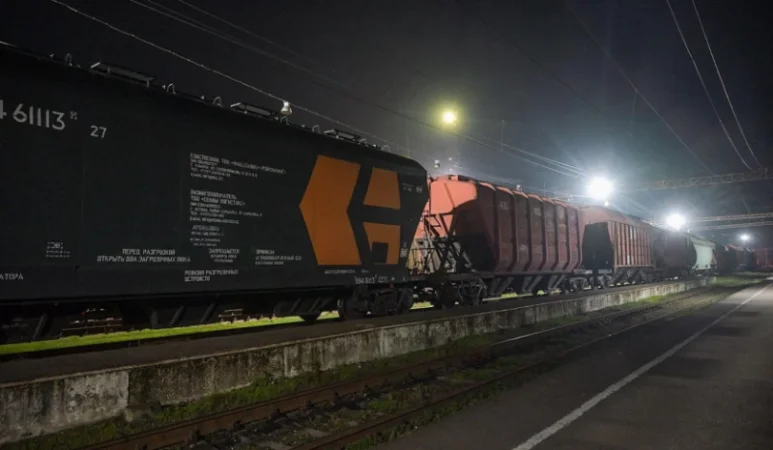
The Kazakh wheat imported to Armenia via Azerbaijan has undergone safety inspections and does not contain any hazardous substances, nor is it radioactive or toxic. This was announced by Tigran Petrosyan, head of the State Service for Food Safety (SARM), during a press conference on November 14.
He assured that it is food-grade wheat suitable for consumption. Inspection results regarding its grade will also be published soon.
According to Tigran Petrosyan, approximately 100 trucks carrying the same quality of wheat are imported into Armenia daily through Georgia. The head of SARM expressed confusion over why there has been such a stir regarding the grade of this particular batch of wheat.
He urged to clarify with the importing company the purpose for which the wheat is being used. Arthur Nikoyan, head of the Plant Sanitary Division at SARM, noted that the sprouting of grain is not related to its grade.
“The specific classification of wheat is determined by GOST standards. Sprouting, safety, and grade are different matters. I do not know who decided that feed-grade wheat has been imported. The control of wheat is governed by the EAEU technical regulations, as well as the interstate standard GOST 9353, adopted in 2016. It is explicitly stated that grades 1-4 are intended for food use, while grade 5 is for fodder use. The European Union also has a sixth grade, and in this case, grade 5 is also considered food grade,” he explained.
“Unfortunately, the provision that grades 1-4 must be for food, and grade 5 must be for fodder was removed in 2016. Therefore, scientists have concluded that there is no need to specify a specific field of use related to grade. This means that wheat of any grade can be used for any purpose. However, the question arises: is there really no difference between feed and food wheat? Certainly, there is. This distinction is clearly set out in the 015 technical regulation, which is a normative legal act in the EAEU. The difference is established not by quality but by safety indicators. It is written that food-grade wheat is that which meets the safety criteria established by the safety indicator requirements. If any grade of wheat complies with the safety demands required for food wheat under the 015 technical regulation, then it can safely be used as food,” he added.
Նմանատիպ հոդվածներ




Ավելին Politics բաժնից
Կարևոր ուղերձ՝ ՌԴ–ՀՀ հարաբերությունների ֆոնին

ՌԴ-ն պնդում է` ամերիկյան միջուկային զենքը պետք է դուրս բերվի Եվրոպայից
Վերահաշվարկից հետո կուսակցությունների ձայների հաշվեկշռում փոփոխություններ են արձանագրվել