Larijani: Iran Does Not Strive for Nuclear Weapons
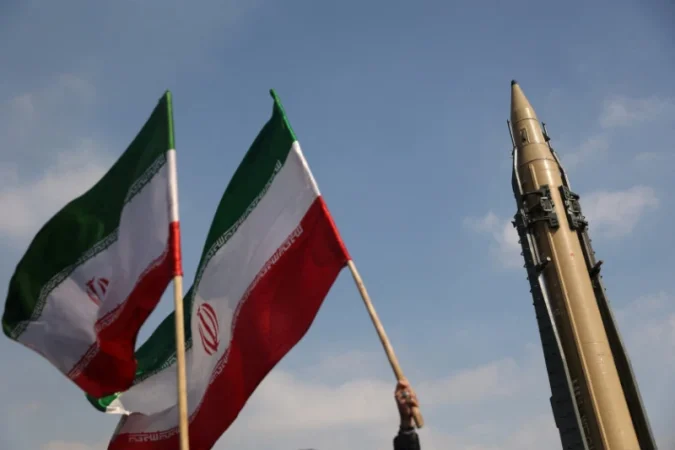
In an interview with Iranian state television, Mohammad-Javad Larijani stated that Tehran does not aim to develop nuclear weapons, but possesses all the technical capabilities to do so if such a decision were ever made. He emphasized that possessing the capability for nuclear readiness does not imply that Iran will produce weapons, as the country’s religious fatwa prohibits such actions.
Larijani referenced the fatwa issued by Supreme Leader Ayatollah Ali Khamenei, considering the production of nuclear weapons as religiously forbidden. According to him, this stance is based on the traditions of Shia jurisprudence and serves as a moral barrier. At the same time, he noted that “if external pressures create a dangerous situation, Iran may reconsider its position,” while maintaining religious and political boundaries.
According to the Pentagon and several international reports, Iran already has the infrastructure and knowledge that would allow it to achieve nuclear weapon readiness in a short timeframe, ranging from hours to weeks. These assessments are discussed as arguments in the analysis of regional security and diplomatic environment.
International reactions are varied: some believe that the fatwa limits Iran's strategic movements, while others warn that political and technical changes could alter the situation. Analysts point out that such a balance can only be maintained through active diplomacy.
Larijani’s statements reflect the complex relationships within Iran concerning religious principles, security issues, and external pressures.
Նմանատիպ հոդվածներ

Ավելին Military բաժնից
ՏԵՍԱՆՅՈՒԹ. Պետերբուրգը թիրախի տակ. ուժգին հարվածներ ենթակառուցվածքներին
ՏԵՍԱՆՅՈՒԹ. Ուժգին հարվածներ ԱՄՆ-ի օբեկտներին. ԻՀՊԿ-ի սպառնացող հայտարարությունը
Քոչարյանը նշել է` որ արտահայտությունից հետո է սկսվել պատերազմը