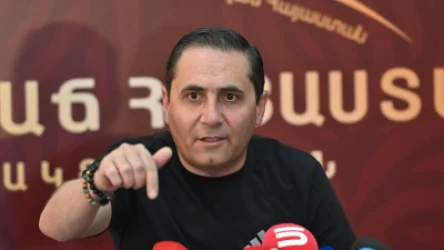
Factories Looted in the 1990s Turned into Scrap Metal: Papoyan Responds to Narek Karapetyan

Armenia's Minister of Economy Gevorg Papoyan has addressed the statements made by Narek Karapetyan regarding the need for the state to build factories instead of schools and roads. The minister clarified that the development of infrastructure is the state's responsibility, while factory construction is the business's job.
"As I promised, I will continue the topic of whether the state should build schools and roads or factories. The fact that hundreds of schools and kindergartens, thousands of kilometers of roads and water lines, and other infrastructures are being built by the state in Armenia since 2018 is undeniable. Now let's look at whether the state is building factories or not. I am pleased to note that the comments on my post from yesterday were quite constructive, and most people responded that it is the state's job to ensure infrastructure, an equal business environment, peace, and other macro issues, while building factories is a business endeavor. I agree with the aforementioned, but now I will provide two examples to show how the state has encouraged businesses to build factories through its policies.
It is a well-known fact that starting from the 1990s, factories and infrastructures in Armenia were looted and exported as scrap metal. For example, a factory was privatized, and then its machinery was exported as scrap metal, while the factory site remained abandoned for decades, at best becoming a shopping center. Later, when such factories and machinery were no longer available, we turned to exporting other metal raw materials, such as car chassis.
Since 2018, the state has gradually prohibited the export of scrap metal, initially allowing export only after melting it and later tightening the regulations further to allow the export of only semi-finished metal products. Starting in 2024, the state will allow only the export of finished metal products. As a result, there are currently five factories in Armenia producing and exporting such products, created as a result of this policy, where more than a thousand people are employed.
One example of these factories manufactures aluminum radiators. Many of us have local heating systems with aluminum radiators that were imported from China, Italy, Spain, Turkey, and other countries for the past 30 years. However, starting in 2025, Armenia will not only produce aluminum radiators but will even export them. Would this factory have existed if the state’s policies allowed the export of aluminum raw materials? The answer is clear: it would not have existed, just as it hadn't been for the previous 34 years. Therefore, the state has indirectly participated in the construction of factories by creating the necessary environment and conditions for their construction. In the coming days, I will provide more examples of how the state is fostering factory construction. To be continued," Papoyan wrote.
Նմանատիպ հոդվածներ
Ավելին Politics բաժնից

ԱՄՆ-ն ամբողջությամբ վերացրել Է Իրանի ծովային շրջափակումը
Մոսկվայի համբերությունն անսահման չէ․ ինչ կինի, եթե «կարմիր գծերը» հատվեն․ ՊՆ նախկին փոխնախարար
Իրանը պատրաստ է ռազմական գործողությունների. Ղալիբաֆ