Azerbaijani Airplane Lands in Yerevan After 30 Years: MP Shares Impressions from Visit to Armenia

On October 21-22, a meeting took place in Yerevan involving representatives of civil society from Armenia and Azerbaijan. During the discussions, the parties addressed the implementation of the peace agenda established following the meeting in Washington on August 8, initiatives aimed at strengthening mutual trust between the societies of the two countries, as well as the possibilities for developing sustainable economic cooperation in the South Caucasus.
The representatives exchanged views on the prospects for establishing direct and long-term relations between the civil societies of Azerbaijan and Armenia. Sharing his impressions of the visit with APA, political scientist Farhad Mamedov noted that for the first time in nearly thirty years, the landing of an Azerbaijani Airlines plane in Yerevan represents not just a technical or diplomatic move, but a symbol of the new reality forming in the region.
“One of the most significant moments of this visit was that for the first time in almost thirty years, an Azerbaijani Airlines plane landed in the capital of Armenia. This event gave special symbolic meaning to the visit and at the same time showed that a new phase has begun in bilateral relations. I believe that this flight, which took place within the framework of this visit, is one of the historically significant events,” he said.
After the meeting in Washington, both parties declared that a period of peace had begun. The President of Azerbaijan has repeatedly emphasized this in his speeches. We already see steps being taken in government statements and decisions in line with this period of peace. The sides have started to abandon some of the former decisions made against each other. For instance, according to a statement made by President Ilham Aliyev in Kazakhstan, the ban on the transit of goods through Azerbaijan to Armenia has been lifted. This decision was positively received in Armenia.
“In other words, this meeting took place without intermediaries, purely in a bilateral format. If governments prioritize building relations through dialogue without intermediaries, then civil society must also carry out its activities in this direction,” he noted.
According to the Azerbaijani representative, the revival of revanchist tendencies in Armenia poses a serious threat to the country's internal stability and the regional peace process. Behind these trends stand the 'Karabakh clan' led by Kocharian and Sargsyan, Armenian oligarchs located in Russia, the diaspora, and the church. Their goal is to return Armenia to isolation by reviving old rhetoric of hatred. However, the main goal of Armenian society today should not be war but rather ensuring social welfare and economic development.
“Nevertheless, they are currently in a marginal position. The parliamentary elections scheduled for June next year will show which political forces are approaching relations with Azerbaijan and which direction the Armenian society will support. This will confirm that the implementation of the peace agenda is beneficial for both Armenia and the region. The decisions made during this period will also demonstrate that the implementation of the peace agenda is advantageous for both Armenia and the region. Now the pace of the processes is quite high. Intensive meetings are being held between the heads of governments, speakers, and representatives of civil society. Work on the peace agenda is actively progressing. This also shows that both governments are determined to support the peace process after the meeting in Washington and are ready to invest both political will and resources for this purpose,” he added.
Նմանատիպ հոդվածներ
Canada Imposes Sanctions on Solovyov, Margarita Simonyan, Peskov and Other Russians
Armenia's Membership in the EAEU is the Foundation of Its Economic Prosperity, While the CSTO is Its Security Guarantee - Kalugin
Viewing Artsakh as a Problem Means Surrendering to Baku: Gegham Nazaryan
VIDEO: Supporter of Robert Kocharyan Offered March 1 Victim to Withdraw Testimony
Ավելին Politics բաժնից
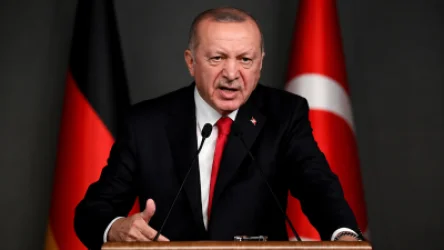
Էրդողանը արձագանքը՝ Իսրայելի՝ Հայոց ցեղասպանության ճանաչմանը. մեր պատմությունը չի պարունակում կոտորածներ
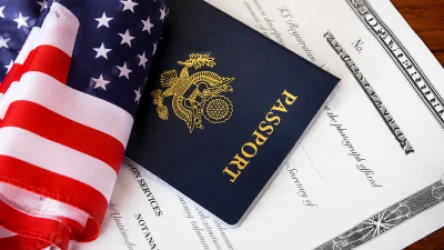
Թրամփը պահանջում է փոխել ԱՄՆ քաղաքացիության կանոնները

ՏԵՍԱՆՅՈՒԹ. Շնչել-արտաշնչելն էլ կարող է դիտարկվել որպես իշխանությունը զավթելու կոչ․ Վարդևանյան