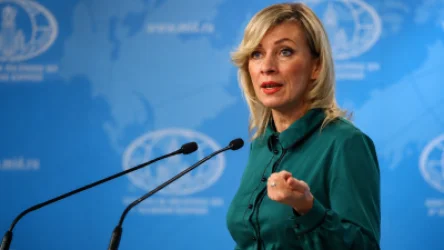
Growing Nationalist Trends in Europe May Serve as a 'Model' for Pashinyan in Suppressing Opposition: Surenyants

The Prime Minister of Georgia, Irakli Kobakhidze, announced on October 4 that the EU ambassador is personally responsible for the unrest in Tbilisi, claiming that European officials have supported attempts to incite disturbances in the country. This was reported by political analyst Suren Surenyants.
"This refers to instances when the opposition in Georgia, dissatisfied with the results of local government elections, tried to organize massive protests and exert street pressure on the authorities. However, these attempts failed; the ruling 'Georgian Dream' party managed to maintain its positions, and a revolutionary scenario did not materialize.
On the same day, in the parliamentary elections in the Czech Republic, the former Prime Minister and euro-skeptic populist Andrej Babis's ANO party took the lead. These two events together indicate that public sentiments are significantly changing within the EU and its neighborhood. A new wave is forming against globalist ideology, in favor of national sovereignty, autonomous decision-making, and conservative politics.
This process may have a dual impact on Armenia: On one hand, the weakening of the Western globalist wing would reduce Pashinyan's external support base, depriving him of unconditional political backing from neoliberal centers. On the other hand, the growing authoritarian and nationalist trends in Europe may serve as a 'model' for Pashinyan in tightening internal political control and suppressing the opposition," Surenyants wrote.
Նմանատիպ հոդվածներ
Ավելին Politics բաժնից
Ադրբեջանից բաց նամակ՝ ֆոն դեր Լայենին. ինչ են պահանջում
Թեհրանը զգուշացնում է․ Ֆրանսիան տեղ չունի Հորմուզի նեղուցի ականազերծման գործողությունում․ ԱԳՆ
ՏԵՍԱՆՅՈՒԹ.Գալյանը՝ ընդդիմության դիրքորոշման մասին. պատասխանները թողնում եմ ձեզ