I Have Come to the Conclusion That We Should Not Continue the Artsakh Movement, as It Means the Abolition of Armenia's Independence – Pashinyan

On August 23, 1991, the Supreme Council of the Armenian SSR adopted the Declaration of Independence of Armenia. This document marked the beginning of the establishment of our independent statehood—the Republic of Armenia. The declaration, in essence, expressed the collective mood of the political and intellectual elite acting in Armenia at the time, bearing the seal of the Artsakh movement that had started just two years earlier and reached its apex.
Prime Minister Nikol Pashinyan wrote this on his Facebook page. In particular, he noted:
“This is how it happened because the key ideological provisions of the Declaration were conflicting and expressed the model of our collective patriotism, which had been consistently sown in us by the Soviet Union since the 1950s in the environment of the establishment of the Iron Curtain and the onset of the Cold War. This model of patriotism, shaped by the Soviet Union for us Armenians, reflected the ambitions of the Soviet state—an entity that emerged victorious in World War II and was in conflict with the North Atlantic alliance—toward the southwest. On the other hand, this model was intended to export the patriotic perceptions existing in the Armenian SSR beyond the territory of the republic, preventing any local expressions.
This ideology was sown for decades through books, films, plays, and theatrical performances, and our social-psychological formation influenced the emergence of the Artsakh movement. We were all carriers of that social-psychological framework; this social-psychological model, shaped by the USSR, was transmitted to the generations formed in the Republic of Armenia in the 90s, and the profound and subconscious aim of that social-psychological model was to make the existence of an independent Armenian state strategically impossible because a country situated amid conflict cannot build real independence.
Dear people, beloved citizens of the Republic of Armenia, my comprehensive analysis of the information and reality accessible in the position of Prime Minister led me to the unwavering conclusion that we should not continue the Artsakh movement, as this means the abolition of the independence of the Republic of Armenia.
Today, I also want to answer a question that is perhaps the most important for understanding the history of the last 7 years. Ultimately, why did the Republic of Armenia, our government, and I personally not make concessions until September 2020, which was the only theoretical possibility to avoid the 44-day war? The key reason was that as a result of those concessions, all our threats and dependencies would have increased disproportionately, leading to the loss of Armenia’s independence and statehood.
We adopted a strategy to preserve Armenia's independence and make that independence real, and the expression of that strategy is the ideology of Real Armenia, under which it became possible to achieve peace between Armenia and Azerbaijan, facilitating real dialogue with Turkey, deepening our relationships with Georgia and the Islamic Republic of Iran, and making us a genuine and interesting partner for the world.
Dear people, beloved citizens of the Republic of Armenia, our state—the Republic of Armenia—one of whose key characteristics is its internationally recognized 29,743 square kilometers of sovereign territory, is the most important value we have had for the last more than 500 years. We must be guided by the interests of our state, and our state and its interests should be the foundation and core of our patriotism, a love shared by the creative people living within it. We are going along this path, and on this way, going through hellish trials, we have reached an incredible station: the Republic of Armenia is today more independent than ever, more sovereign than ever, more of a state than ever, more prosperous than ever, and more promising than ever because it is peaceful. Peace is entrenched, and it should become an object of daily care and attention; it must become institutionalized.
August 2025 has become the beginning of peaceful and prosperous life for the Republic of Armenia. I congratulate us all on this occasion. Glory to the martyrs, and long live the Republic of Armenia!”
Նմանատիպ հոդվածներ
Ավելին Politics բաժնից
ՍԴ-ն կարող է նոր ընտրությունների հիմքը հանդիսանալ․ Արամ Վարդևանյան
Իրանը կոչ է արել չմիջամտել Հորմուզի նեղուցի գործերին․ ԱԳ նախարար
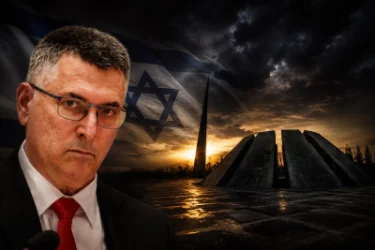
Իսրայելի կառավարությունը միաձայն ճանաչել է Հայոց ցեղասպանությունը