Narek Karapetyan on the Dangers of State Privatization of HETC
If the "Electric Networks of Armenia" (HETC) company is nationalized, issues related to tariffs and quality will quickly arise. This was stated by Narek Karapetyan, Chairman of the Board of Directors of HETC.
“Conditional, when a citizen turns on a light bulb, an entire system starts working. First, the nuclear power plant begins to generate electricity, supplying it to the state ‘High Voltage Electric Networks,’ which deliver the electricity from the nuclear plant to your city, where the High Voltage Networks provides it to HETC, which in turn carries out the distribution,” Karapetyan explained.
According to him, if there is an accident and a large number of residents are cut off from electricity, it cannot be blamed on HETC since its small substations only supply local neighborhoods. Major outages are primarily under the responsibility of High Voltage Networks.
“That is, if there is a major outage in the entire region, resulting in a power cut, the cause is the High Voltage Networks. If only a few buildings are affected, then the culprit is HETC. The wires we see on the electricity poles, for example, in the center of Yerevan, do not belong to HETC because our company’s wires run underground. No matter how strange it sounds, those are internet wires,” said Karapetyan.
Karapetyan indicated that since the 2016 ‘Electric Yerevan’ movement, when the ‘Tashir’ group purchased HETC, the previous managing company was already on the verge of bankruptcy, along with the system experiencing significant losses. As a result, HETC also began to use its own funds to cover the old debts of the previous company.
“Currently, the largest digital system in Armenia is HETC’s electricity meter system, which connects 800 thousand people and has succeeded in combating theft, with the human factor almost eliminated. This means that the electrician no longer comes to turn off or turn on supplies; instead, the system automatically disconnects the supply to subscribers who have not paid their bills,” Narek Karapetyan recalled.
Նմանատիպ հոդվածներ
Ավելին Politics բաժնից
Ռուսաստանից զգուշացնում են Եվրոպայի հետ առճակատման ռիսկերի մասին
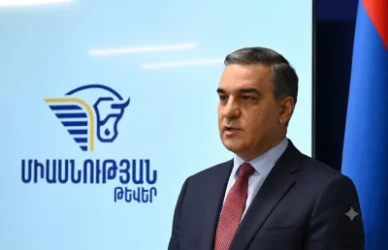
«Միասնության թևեր»-ը դիմել է ընտրություններին մասնակցած կուսակցություններին
Մենք չենք կատարի որևէ քայլ, որը կվտանգի մեր երկարամյա դաշնակիցների անվտանգությունը. Ռուբիո