Threatens Lives and Increases Risk: IAEA
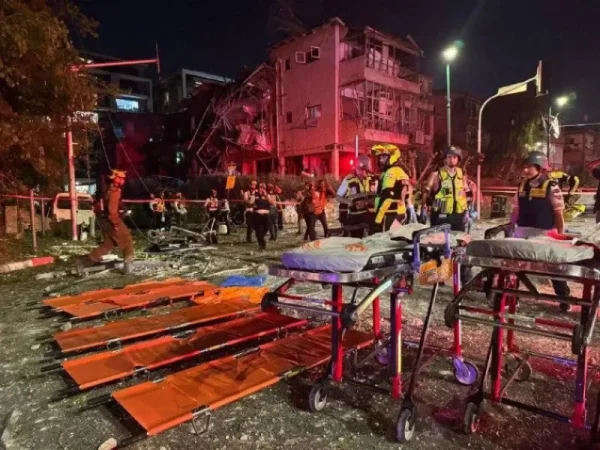
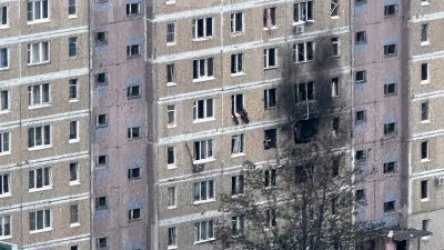
The military tension between Iran and Israel is threatening lives and increasing the risk of nuclear accidents, stated Rafael Grossi, the Director General of the IAEA. He noted that no new damages have been recorded following Friday’s attack on the Natanz enrichment facility. Damaged were the above-ground buildings of the experimental enrichment plant, where Iran produced uranium enriched to 60% U-235 isotopes. The facility's energy infrastructure, including the substation, main power supply building, and emergency and backup power systems, has also been destroyed.
There were no signs of physical impact in the underground cascade hall, where both the experimental and main enrichment facilities are located. However, power loss could have damaged the centrifuges located there. The radiation level outside the Natanz complex remains stable and within normal limits, indicating the absence of external radiological impact on the population or the environment. Radiological and chemical contamination has been observed at the Natanz facility. Given the nature of nuclear materials at the site, there is a potential spread of uranium isotopes contained in uranium hexafluoride, uranium fluoride, and hydrogen fluoride. Radiation, primarily in the form of alpha particles, poses a threat if uranium is inhaled or ingested. However, this risk can be effectively managed through respiratory protective equipment.
The main hazard at the facility is the chemical toxicity of uranium hexafluoride and fluoride compounds upon contact with water. No damage has been found at the Fordow enrichment facility or the heavy water reactor under construction at Khondab. The Buschier nuclear power plant and the Tehran research reactor have also remained unaffected or undamaged. Four buildings at the Isfahan nuclear facility have been damaged, including the central chemical laboratory, uranium processing plant, Tehran reactor fuel facility, and the facility being constructed for the processing of UF4 to metallic uranium. As with Natanz, the radiation level outside the facility has remained unchanged.
Grossi emphasized the necessity of timely IAEA access to technical information regarding the state of the facilities under these difficult and unstable conditions. Without this, an accurate assessment of the radiological situation, potential impacts on the population and environment, and providing necessary assistance cannot be achieved. “The IAEA will continue its presence in Iran. Inspections under the safeguards framework of the non-proliferation treaty will resume as soon as security conditions permit. I am personally in contact with the inspectors on-site. Their safety is our top priority, and all measures are being taken to ensure they are not harmed. I am prepared to travel immediately and negotiate with all parties to ensure the protection of nuclear facilities and the continued peaceful use of nuclear energy in accordance with the agency’s mandate. If necessary, we are willing to send not only inspectors to Iran but also nuclear safety experts,” he said.
Grossi highlighted that military escalation threatens lives, increases the risk of nuclear accidents with severe consequences for people and the environment, and hinders necessary progress toward diplomatic solutions to prevent Iran from acquiring nuclear weapons. “In accordance with the IAEA’s objectives and its statute, I call on all parties to exercise maximum restraint to avoid further escalation. Last week, the Board of Governors adopted a significant resolution regarding Iran’s safeguards obligations. I urge the use of all possible diplomatic avenues and reaffirm my willingness to assist, including through a personal visit to assess the situation and ensure security and non-proliferation in Iran,” he concluded.
“For the second time in three years, we are witnessing a serious conflict between two IAEA member states where nuclear facilities are subjected to attacks, and nuclear safety is at risk. As with the military operations between the Russian Federation and Ukraine, the IAEA will not remain indifferent in this conflict. We will act within our legislative mandate to prevent a nuclear accident with unpredictable radiological consequences. However, this requires constructive, professional dialogue, which should start as soon as possible. I will continue my ongoing dialogue with both sides to find the best path to resolution and urge member states to support me in this matter. There is always time and space for diplomacy,” he concluded.
Նմանատիպ հոդվածներ



Ավելին Military բաժնից

Պուտինը` Զելենսկու բաց նամակի մասին
Ադրբեջանի կտրուկ պատասխանն իր տարածքների օգտագործման վերաբերյալ
ԱԹՍ-ով հարված նավերին. ադրբեջանցիներ են զոհվել